Welcome to the golden era of speedcubing. If you are reading this in 2026, you are stepping into a world where the iconic Rubik's Cube has evolved from a simple plastic puzzle into a high-precision engineering marvel. For new cubers, the transition from a standard toy to a magnetic speed cube is the single most impactful decision you can make to accelerate your learning curve. Whether you are navigating the busy streets of downtown Chicago or relaxing in a quiet corner of Austin, the right hardware can turn frustration into flow state.
The gap between a frustrating, sluggish turner and a precision instrument that feels like an extension of your fingers is wider than most beginners realize. Choosing the wrong cube doesn't just slow you down; it kills motivation. A cube that locks up mid-solve or pops pieces out during fast turns creates a physical barrier that no amount of practice can overcome. In 2026, the market is flooded with options, but not all magnets are created equal. This guide cuts through the noise to provide the best magnetic speed cube recommendations for new cubers, ensuring you invest in tools that grow with your skills.
Why Magnetic Cubes Are Essential for Beginners in 2026
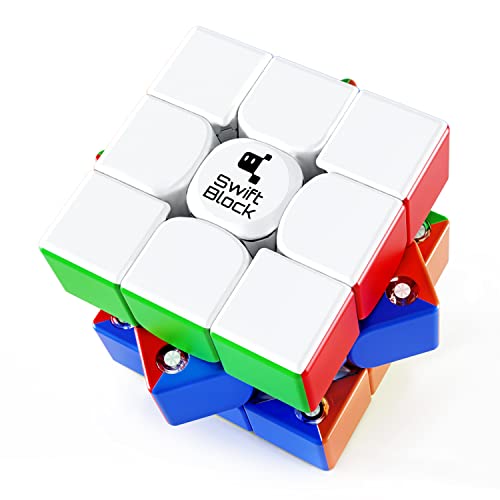
The evolution of the speed cube has been rapid, but the fundamental advantage of magnetism remains unchanged: control. Traditional non-magnetic cubes rely solely on friction and tension to hold pieces together. When you execute a fast turn, the outer layer can easily overshoot its intended position, causing the cube to "lock up" or requiring you to correct the alignment manually. This breaks your rhythm and increases your move count.
Magnetic speed cubes incorporate small neodymium magnets within the core and piece structure. These magnets serve two critical functions for a beginner:
- Auto-Alignment: They pull layers back into their correct positions after a turn, reducing the need for micro-corrections.
- Tactile Feedback: They provide a satisfying "click" sensation, allowing you to feel exactly when a layer has locked into place without looking.
For a new cuber, this tactile feedback is invaluable. It builds muscle memory faster because your brain receives immediate confirmation of successful moves. Furthermore, modern magnetic systems prevent overshooting, which is the leading cause of errors for solvers under one minute. By stabilizing the cube internally, manufacturers allow for smoother, faster rotations without sacrificing stability.
The technology has advanced significantly by 2026. We have moved beyond simple surface magnets to complex ball-core designs and MagLev systems. These innovations mean that even budget-friendly cubes now offer performance previously reserved for elite competitors. Investing in a magnetic cube is essentially investing in your potential as a solver. It removes the physical limitations of the tool so you can focus entirely on developing algorithms and finger tricks.
Critical Features Defining High-Performance Cubes
When evaluating the best magnetic speed cube recommendations for new cubers, you must look beyond the brand name and understand the underlying engineering. Not all magnets are the same, and the internal architecture dictates how the cube feels in your hands. Here are the three pillars you need to evaluate before making a purchase.
Magnet System & Core Design
The heart of any speed cube is its magnetic system. There are generally three types of configurations found in 2026 models:
- Piece-to-Piece Magnets: Common in entry-level cubes, these place small magnets directly inside the corner and edge pieces. They are effective but can sometimes feel slightly inconsistent if the magnet placement isn't perfect.
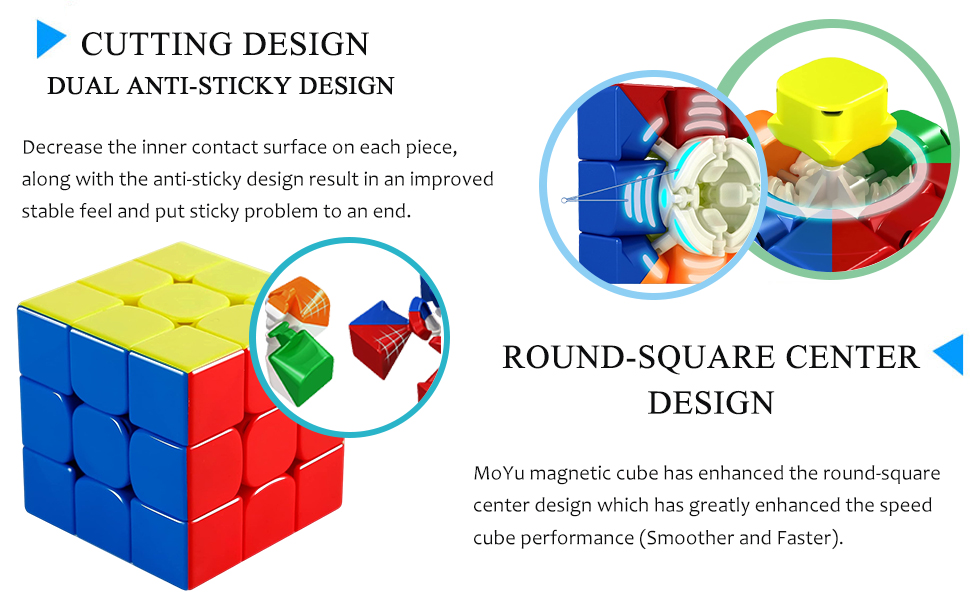
- Ball-Core Magnets: This is the gold standard for 2026. Magnets are embedded in the central core shaft (the ball). This design provides stronger, more consistent alignment across all layers. It ensures that every turn feels uniform, regardless of which face you are manipulating.
- MagLev Technology: Found in premium flagship models, MagLev replaces traditional springs with opposing magnetic fields. This eliminates mechanical friction entirely, resulting in incredibly fast and smooth turning. While often overkill for absolute beginners, understanding this tech helps explain why some cubes cost significantly more.
For a new cuber, a ball-core magnetic system is the sweet spot. It offers professional-grade consistency without the exorbitant price tag of MagLev cubes.
Surface Finish & Adjustability
How a cube feels on the outside is just as important as what happens inside. In 2026, UV-coated finishes have become the industry standard for stickerless cubes. Unlike older frosted or matte plastics, UV coating offers superior grip, especially for cubers with sweaty palms—a common issue during intense practice sessions. It also provides excellent scratch resistance, keeping your cube looking new for years.
Adjustability is another crucial factor. A good cube for a beginner should allow for customization. Look for features like:
- Multi-step tension adjustment: Allows you to tighten or loosen the cube to match your turning style.
- Elasticity controls: Some newer designs let you tweak how springy the corners feel.
- Distance slots: Systems like GAN's GES+ allow you to adjust tension with a simple push and twist, eliminating the need for tools.
A cube that can be dialed in perfectly for your hand size and turning speed will last you through years of improvement, whereas a fixed-tension cube may limit your progress once you get faster.
Weight, Size & Durability
Competition-standard cubes typically sit around 56mm in diameter and weigh less than 80 grams. Lighter cubes reduce wrist fatigue during extended practice sessions, which is vital for building endurance. Avoid cubes made from thin, brittle plastics if you plan to take them to local meetups or travel. Durability is key; a cube that shatters after a few drops is a waste of money.
Stickerless designs are non-negotiable in 2026. Stickers peel, fade, and tear, creating unnecessary maintenance headaches. High-quality stickerless plastics are durable, vibrant, and eliminate the risk of losing adhesive tabs. When shopping for the best magnetic speed cube recommendations for new cubers, prioritize models that emphasize robust construction and long-lasting materials.
Top Pick: MoYu RS3M Maglev for the Modern Beginner
If there is one cube that defines the current landscape for beginners, it is the MoYu RS3M Maglev. Selected repeatedly by experts and community leaders as the top choice for 2026, this cube strikes an unprecedented balance between performance, adjustability, and price. At approximately $14, it offers value that is hard to beat.
The RS3M Maglev utilizes a sophisticated magnetic system that provides strong alignment without being overly stiff. It features a UV-coated finish that resists scratches and provides excellent grip. What sets it apart is its incredible tunability. With multiple tension settings available via simple adjustments, you can customize the cube to feel light and snappy for fast solves or tighter and more controlled for complex maneuvers.
Real-world testing confirms its dominance. Solvers report that the RS3M performs better out of the box than many competitors costing twice as much. It handles corner-cutting exceptionally well, meaning you can turn layers at steep angles without the cube popping. For a new cuber in Seattle, Boston, or anywhere else, this cube is the ideal starting point. It is durable enough to survive daily commutes and powerful enough to keep up with competitive aspirations.
The RS3M represents the maturation of the speedcube market. It proves that you do not need to spend $50 to get a flagship experience. Its combination of smooth twisting, reliable magnets, and user-friendly tuning makes it the definitive recommendation for anyone serious about learning the craft.
Best Value Alternative: MFJS MeiLong 3×3 M
While the MoYu RS3M is our top pick, budget-conscious cubers should not overlook the MFJS MeiLong 3×3 M. As highlighted in recent 2026 reviews, this cube delivers exceptional performance at a fraction of the cost of premium brands. It is a testament to the fact that high-quality manufacturing is becoming accessible to everyone.
The MeiLong 3×3 M features a medium-to-light magnetic feel that many beginners prefer. The magnets provide a nice tactility and a satisfying click when turning, offering the feedback necessary to build muscle memory. Users note that the performance out of the box is excellent, requiring only minor setup and tensioning to reach its full potential.
One of the standout features of the MeiLong is its anti-pop technology. The internal structure is designed to withstand extremely fast turns without pieces flying out, a common issue for those still mastering their finger tricks. The frosted plastic finish is subtle and provides just enough grip without being sticky. It comes in vibrant, stickerless bright shades that make it visually appealing and easy to track during solves.
For students in college towns or hobbyists looking for a gift that won't break the bank, the MFJS MeiLong 3×3 M is a smart investment. It proves that you can enter the world of competitive cubing without spending a fortune. With wonderful control and a really nice hand feeling, it is a cube that deserves a spot in every beginner's collection.
Premium Upgrade: GAN 356 M and the Future of Smart Cubing
For those who want to step up their game immediately or are interested in the intersection of hardware and software, the GAN 356 M stands out as the best mid-range option. GAN has long been a benchmark for innovation, and the 356 M carries that legacy forward with its GES Pro+ design.
The GAN 356 M features a visible magnet system that allows users to see the engineering prowess inside. It includes an anti-scratch surface and a host of modifications designed to prolong the life of the cube. The inner honeycomb surface lowers friction and withstands lubrication, ensuring consistent performance over time.
What truly elevates the GAN 356 M is its tuning flexibility. The GES+ (GAN Elastic System) design allows for easy adjustments with just a push and twist on its distance slots. This means you can fine-tune the cube's tension to match your specific style without needing specialized tools. Whether you prefer a loose, fast-turning cube or a tight, precise one, the GAN 356 M adapts to you.
Additionally, for those curious about data-driven solving, the GAN ecosystem offers optional connectivity. While not strictly necessary for learning, having access to solve tracking apps can provide valuable insights into your progress. The GAN 356 M is perfect for solvers who want a cube that looks as good as it performs, making it a favorite among enthusiasts in major hubs like New York and Los Angeles.
How to Choose the Right Cube for Your Skill Level
Choosing the best magnetic speed cube recommendations for new cubers requires understanding where you are in your journey. The wrong cube can hinder progress, while the right one can accelerate it dramatically. Here is a quick framework to help you decide.
The Absolute Beginner (Learning First Layer)
If you are just starting, you need stability. Look for a cube with strong magnets that prevent locking up. The MoYu RS3M Maglev is ideal here because its auto-alignment helps you focus on learning algorithms rather than fighting the mechanism. Ensure the cube has a stickerless UV finish for durability against drops and sweat.
The Intermediate Solver (Sub-1 Minute Goals)
Once you master the first layer and are working on F2L (First Two Layers), you need a cube with excellent corner-cutting capabilities. This is where adjustable tension becomes critical. Cubes like the MFJS MeiLong 3×3 M or the GAN 356 M allow you to loosen the tension for faster turns as your finger speed increases. You also want a cube with a ball-core magnet system for consistent feel across all faces.
The Advanced Competitor (Sub-30 Second Averages)
If you are already competing, you likely need a flagship model with MagLev technology or high-end ball-core designs. Brands like GAN (12 Maglev) and WeiLong (V11) dominate this space. These cubes offer the highest level of smoothness and minimal friction. However, even at this stage, remember that the "best" cube is highly personal. What works for a world record holder in Paris might feel too fast for someone training in Tokyo.
Maintenance and Care for Longevity
Even the best magnetic speed cube will degrade if neglected. Proper maintenance is essential to keep your cube performing at peak levels for years. Here are a few tips to ensure your investment lasts:
- Lubrication: Over time, the original factory lube can dry out or attract dust. Use high-quality silicone-based cube lube every few months. Apply a drop to the core and mix it by turning the layers slowly. Avoid WD-40 or household oils, as they can damage plastic components.
- Cleaning: Wipe down your cube with a dry microfiber cloth after heavy use to remove sweat and dirt. For deeper cleaning, use isopropyl alcohol on a cotton swab, but avoid soaking the cube.
- Storage: When not in use, store your cube in a protective case or pouch. This prevents accidental crushing and keeps dust out of the magnetic gaps.
- Re-magnetizing: If your cube starts to feel weak or inconsistent, the magnets may have shifted. Most modern cubes allow you to open the core and reposition the magnets to restore optimal alignment.
By following these care instructions, you ensure that your cube remains a reliable partner in your speedcubing journey, whether you are practicing alone in your room or competing at a local tournament.
The Psychology of Hardware: How Feel Influences Solve Time
Beyond the tangible specifications of magnets and plastic, there is a profound psychological component to choosing the right speed cube. In the high-stakes environment of competitive cubing, the mind-body connection is paramount. When a cube feels "right," it creates a state of flow where the solver becomes almost unconscious in their movements. This phenomenon, often referred to as "muscle memory" in its purest form, is heavily dependent on tactile feedback. If your cube feels gritty, inconsistent, or prone to popping, your brain remains in a state of alertness, constantly monitoring the hardware rather than executing algorithms.
For a new cuber, this distinction is critical. Imagine trying to learn a complex piano piece while the keys are sticky and uneven; no amount of practice will yield mastery if the instrument itself is fighting you. Similarly, a non-magnetic or poorly magnetized cube forces the beginner to spend cognitive energy on mechanical corrections rather than pattern recognition. By selecting one of the best magnetic speed cube recommendations for new cubers, you are effectively removing the friction between your intention and your execution. This allows the brain to dedicate its full processing power to learning the 2×2, 3×3, and eventually larger cubes.
The sensation of a good cube is often described as "snappy" yet "controlled." It should feel like driving a high-performance sports car with responsive steering but precise braking. Too loose, and the layers wobble, causing misalignment; too tight, and the fingers fatigue quickly, leading to sloppy turns. The magic of modern magnetic systems lies in their ability to be dialed into that perfect middle ground. Whether you are practicing blindfolded algorithms or executing a rapid 70-move PLL sequence, the consistent snap of a well-tuned magnet system provides the confidence needed to push boundaries. This confidence translates directly to lower move counts and faster solve times, creating a positive feedback loop that accelerates skill acquisition.
Furthermore, the aesthetic appeal of these cubes cannot be understated. In an era where visual presentation matters as much as functionality, the vibrant colors and sleek finishes of 2026 models serve as a constant reminder of progress. A bright, stickerless cube that looks professional on a tournament table can boost a cuber's morale before they even touch it. It signals a commitment to the craft, fostering a sense of identity within the community. When you hold a cube that feels premium and performs flawlessly, you are more likely to practice regularly, which is the single most important factor in improvement.
Navigating the Ecosystem: Accessories and Community Resources
Owning a top-tier cube is just the beginning of your journey; understanding the ecosystem around it is equally important. In 2026, the speedcubing community is more connected and resource-rich than ever before. While the cube itself is the star of the show, accessories play a supporting role in maximizing performance. High-quality lubricants are perhaps the most impactful accessory. As mentioned earlier, factory lube dries out over time. Investing in a kit containing various viscosities of silicone lube allows you to customize the turning experience further. For instance, a thinner lube might be preferred for winter months when plastic contracts, while a thicker lube could provide better stability in humid summer conditions.
Another essential accessory is the protective case. Many beginners underestimate the importance of storage. Cubes are precision instruments, and dropping them on concrete floors, even from a short height, can misalign magnets or crack internal cores. A hard-shell case not only protects the cube during travel to local meets or competitions but also serves as a clean surface for maintenance. Some cases even come with built-in compartments for lube bottles and spare stickers, keeping everything organized in one place.
Community resources have also evolved significantly. Online forums, Discord servers, and video platforms like YouTube are filled with tutorials on tuning, cleaning, and advanced techniques specific to different cube models. For example, knowing how to adjust the tension on a GAN cube versus a MoYu cube requires slightly different approaches due to their unique core designs. Engaging with these communities allows new cubers to learn from the experiences of others, avoiding common pitfalls and discovering hidden gems in the market.
Moreover, the availability of replacement parts has made ownership more sustainable. If a spring breaks or a magnet shifts, many manufacturers now offer individual part sales, extending the lifespan of the cube indefinitely. This shift towards modularity reflects a broader trend in the hobby: sustainability and long-term investment. Instead of discarding a cube after minor wear, cubers can repair and upgrade their devices, ensuring that their favorite tools remain relevant for years. This approach not only saves money in the long run but also deepens the solver's understanding of the mechanics they love.
The Future of Speedcubing: Trends to Watch in Late 2026
As we look toward the future of the sport, several trends are shaping the next generation of speed cubes. One of the most exciting developments is the integration of smart technology directly into the cube hardware. While currently niche, we are seeing early adopters experimenting with cubes that connect via Bluetooth to smartphones, providing real-time data on turn speed, layer consistency, and error rates. For the serious competitor, this data-driven approach offers unprecedented insights into weaknesses that might otherwise go unnoticed. Although fully integrated smart cubes may still be in their infancy for the average new cuber in 2026, the trajectory is clear: the line between physical hardware and digital analytics will continue to blur.
Another emerging trend is the focus on eco-friendly materials. As environmental consciousness grows within the hobby, manufacturers are increasingly exploring biodegradable plastics and sustainable packaging. While performance remains the primary concern, the industry is slowly shifting towards greener production methods. This change aligns with the values of a younger generation of cubers who are passionate not just about solving puzzles, but about protecting the planet. Expect to see more brands highlighting their carbon footprint reductions and using recycled materials in their product lines by the end of the decade.
Additionally, the diversity of cube shapes and sizes is expanding rapidly. While the 3×3 remains the king of speedcubing, the popularity of the 2×2, 4×4, and even the Pyraminx and Megaminx continues to surge. Manufacturers are responding by releasing specialized magnetic versions of these puzzles that maintain the same high standards of smoothness and alignment as their 3×3 counterparts. For new cubers interested in exploring beyond the standard cube, the market offers a wealth of options that are both challenging and rewarding. The versatility of magnetic systems means that regardless of the puzzle shape, the core principles of control and feedback remain consistent.
Frequently Asked Questions (FAQ)
Q: Do I really need a magnetic cube to start speedcubing?
A: While it is possible to start with a non-magnetic cube, doing so is generally discouraged for anyone serious about improving. Non-magnetic cubes rely entirely on friction, which makes them prone to locking up and overshooting during fast turns. This leads to frustration and slower learning curves. Magnetic cubes provide auto-alignment and tactile feedback, which are crucial for building muscle memory and maintaining rhythm. In 2026, the price difference between entry-level magnetic and non-magnetic cubes has narrowed significantly, making the magnetic option the clear winner for value and performance.
Q: How often should I lubricate my new magnetic cube?
A: For a brand-new cube straight out of the box, it is usually best to leave the factory lube alone for the first few weeks to allow the plastic to settle. After that, you should begin testing the cube's feel. If it starts to feel dry, scratchy, or inconsistent, it's time to lube. A general rule of thumb for active solvers is to apply fresh lube every one to two months. However, if you live in a very humid or dusty environment, you may need to do this more frequently. Always use dedicated silicone-based cube lube, never household oils.
Q: Can I adjust the tension on all magnetic cubes?
A: Most modern magnetic cubes, especially those in the mid-range and premium categories, feature adjustable tension systems. However, some ultra-budget models may have fixed tension to keep costs down. Before purchasing, check the product specifications for keywords like "adjustable tension," "tuning screws," or "GES design." If a cube does not explicitly mention adjustability, assume the tension is fixed. Being able to tweak the tension is vital as your skills improve, allowing you to switch from a loose, fast-turning setup to a tighter, more controlled one.
Q: What is the difference between stickerless and stickered cubes?
A: Stickerless cubes have colored plastic embedded directly into the pieces, whereas stickered cubes have printed adhesive labels applied to white plastic cores. Stickerless cubes are the standard in 2026 because they are more durable, resistant to peeling, and offer a smoother surface finish. They also tend to look more professional and vibrant. Stickered cubes are still available and sometimes cheaper, but they require maintenance to prevent stickers from lifting and can feel slightly rougher over time. For any new cuber, a high-quality stickerless cube is the recommended choice.
Final Thoughts: Your Journey Begins With the Right Tool
Choosing the best magnetic speed cube recommendations for new cubers is more than just a shopping decision; it is an investment in your future as a solver. The right cube acts as a silent partner, facilitating your progress and inspiring you to push past plateaus. Whether you opt for the versatile MoYu RS3M Maglev, the budget-friendly MFJS MeiLong, or the innovative GAN 356 M, you are selecting a tool designed to enhance your experience and accelerate your learning.
Remember that the "best" cube is ultimately the one that feels best in your hands and suits your personal playing style. Take advantage of return policies, read community reviews, and don't be afraid to experiment with different tensions and lubes. The world of speedcubing is vast and welcoming, filled with opportunities to connect, compete, and improve. With the right hardware and a dedication to practice, there is no limit to how fast you can become. So, pick up a cube, get started, and enjoy the satisfying click of every successful turn. Your journey from a frustrated beginner to a confident solver starts now, and the tools you choose today will pave the way for your success tomorrow.
In conclusion, the landscape of speedcubing in 2026 is brighter and more accessible than ever before. The convergence of advanced magnetic technology, user-friendly design, and a supportive global community has created an environment where anyone can excel. By following the guidance provided in this guide, you are setting yourself up for a rewarding and enjoyable journey. Embrace the challenge, respect the mechanics, and let the cube become an extension of your own mind. Happy solving!