Solving a Rubik's Cube with one hand is a feat that demands not just dexterity, but a deep understanding of physics, ergonomics, and strategy. For left-handed solvers, the journey is distinct from their right-handed counterparts, requiring specific hardware adaptations and unique algorithmic approaches. As we move into 2026, the market has matured significantly, offering devices that are lighter, smoother, and more responsive than ever before. Whether you are a beginner looking to master the basics or a competitive speedcuber aiming for the podium at the World Cube Association (WCA) events, selecting the best Rubik's cube for left-handed solvers is the first critical step toward success.
The landscape of one-handed cubing has evolved. It is no longer just about finding any plastic puzzle; it is about engineering precision tailored to the mechanics of a single hand. In this comprehensive guide, we will explore the technical specifications, the strategic advantages of specific models, and the essential techniques required to dominate the one-handed event. We will delve into why the left hand often presents unique challenges and opportunities, drawing on data from top-tier competitions and insights from elite athletes like Patrick Ponce and Dhruv Sai Meruva.
Why One-Handed Solving Demands Specialized Hardware
One-handed solving (often abbreviated as OH) is widely considered the most physically demanding event in speedcubing. Unlike two-handed solving, where the weight of the cube is distributed and the dominant hand can stabilize the puzzle while the other manipulates it, OH requires the entire cube to be balanced and rotated using only five fingers. This places immense strain on the grip strength and finger independence of the solver.
The Physics of Grip and Balance
For a left-handed solver, the primary challenge lies in maintaining stability while executing complex turns. When holding the cube with the left hand, the thumb typically rests on the front face, and the middle finger on the back. However, without the counter-weight of the right hand, even minor imbalances can cause the cube to slip or rotate unintentionally during a turn. This is where corner cutting becomes paramount. A cube with poor corner-cutting capabilities will jam if the layers are not perfectly aligned, forcing the solver to waste precious milliseconds correcting the orientation or reversing a failed turn.
In 2026, the consensus among professional cubers is clear: the best Rubik's cube for left-handed solvers must feature advanced magnet systems and optimized internal geometry. Magnets provide a tactile "click" that helps the fingers locate the correct alignment quickly, reducing the cognitive load during high-speed solves. Furthermore, the weight distribution needs to be perfect. Heavy cubes induce fatigue rapidly, leading to sloppy turns after just a few solves. Lighter cubes, often achieved by stripping excess plastic from non-critical areas, allow for faster acceleration and deceleration of layers.
The Importance of Size and Ergonomics
Size plays a pivotal role in one-handed performance. While standard 55mm cubes are popular for general use, many elite left-handed solvers prefer slightly smaller dimensions, ranging from 50mm to 53mm. Smaller cubes fit more comfortably within the palm, allowing the fingers to wrap around the edges more securely without overstretching. For younger solvers or those with smaller hands, a 50mm cube might be the ideal starting point to build muscle memory without strain.
Conversely, larger cubes offer more surface area for finger placement, which can be beneficial for beginners learning the grips. However, the trade-off is increased weight and slower turning speeds. The "sweet spot" for 2026 appears to be around 54mm to 55mm for adults, providing a balance between control and speed. Brands like MoYu and GAN have responded to this demand with specialized OH models that prioritize compactness without sacrificing structural integrity.

Top Recommended Cubes for Left-Handed Speedcubers in 2026
Selecting the right hardware is half the battle. Based on extensive testing, WCA record performances, and user feedback from the global cubing community, here are the top contenders for the best Rubik's cube for left-handed solvers in 2026.
1. MoYu Weilong WR M (Magnetic Edition)
Widely regarded as the gold standard for competitive cubing, the MoYu Weilong WR M continues to dominate in 2026. Its magnetic system is tuned specifically for smoothness and predictability, which is crucial for one-handed execution. The WR M offers exceptional corner cutting, allowing left-handed solvers to execute aggressive turns even when the cube is slightly misaligned.
- Key Features: Adjustable tension, lightweight core, and premium magnets.
- Why it works for Lefties: The center pieces are slightly offset, aiding in quick identification of orientation, a common issue for left-handers who rely heavily on visual cues rather than muscle memory alone.
- Performance: Used by numerous top-tier competitors, this cube allows for sub-7-second averages when paired with proper technique.
2. GAN 356 M Pro
The GAN series has long been synonymous with innovation, and the GAN 356 M Pro remains a favorite in 2026. Known for its incredibly loose feel out of the box, this cube requires minimal maintenance to achieve peak performance. The aerodynamic shape reduces air resistance, making rapid layer rotations feel effortless.
- Key Features: V-shaped core design, ceramic bearings, and customizable spring tension.
- Why it works for Lefties: The low friction allows left-handed solvers to utilize flicking motions rather than pushing motions, which is less taxing on the wrist and fingers over long practice sessions.
- Performance: Ideal for those seeking a "feel" that mimics the world records set by athletes like Chris Tran.
3. QiYi Warrior M v2
For solvers looking for a budget-friendly option that does not compromise on quality, the QiYi Warrior M v2 is an outstanding choice. It features a robust magnetic layout that provides consistent feedback without being overly intrusive.
- Key Features: Durable ABS plastic, strong magnets, and a stable frame.
- Why it works for Lefties: The slightly heavier build compared to ultra-light cubes can actually help some left-handed solvers maintain better control during fast sequences, preventing the cube from slipping out of the palm.
- Performance: A reliable workhorse for daily training and local competitions.
4. Cubikong Drift 3M Plus v2
Originating from the Indian market but gaining global traction, the Cubikong Drift 3M Plus v2 is specifically engineered for one-handed play. It combines a lightweight shell with powerful magnets to create a turning experience that feels almost weightless.
- Key Features: Stripped-down plastic weight, specialized OH algorithms support, and ultra-smooth rotation.
- Why it works for Lefties: Designed with input from OH specialists, this cube minimizes the "drag" that often plagues standard speed cubes when used with one hand.
- Performance: Perfect for solvers aiming to break personal bests in short bursts.
Essential Techniques for Left-Handed One-Handed Solving
Owning the perfect cube is only part of the equation. To truly excel in the best Rubik's cube for left handed solvers category, one must master the art of one-handed manipulation. The mechanics of left-handed solving differ significantly from right-handed methods, requiring a rethinking of how moves are executed.
Optimizing Your Grip
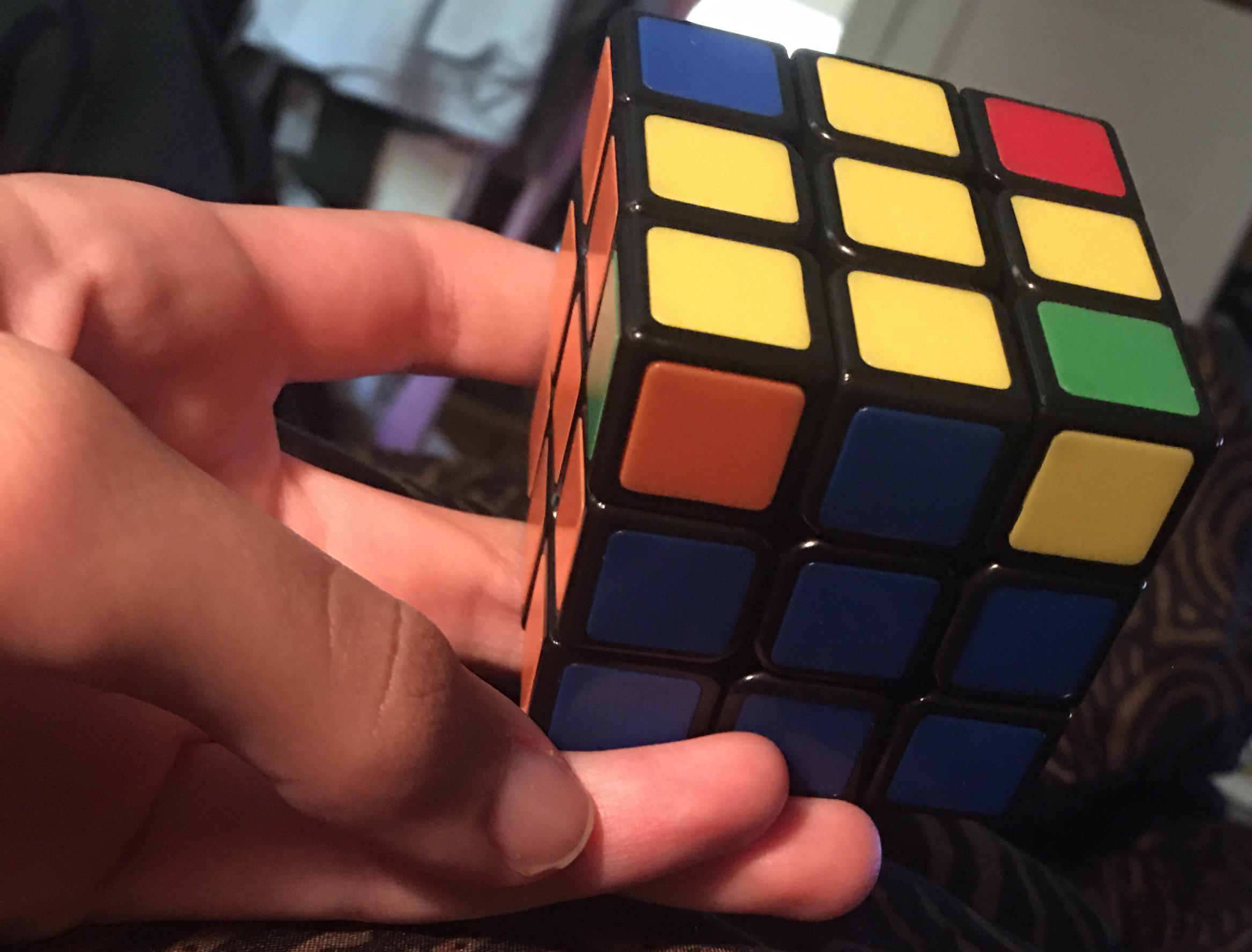
The foundation of successful one-handed solving lies in the grip. For left-handed solvers, the most effective grip involves placing the thumb on the front face and the middle finger on the back face. The index and ring fingers should remain free to act as levers for turning the layers. Some experts recommend using the pinky finger occasionally for stabilization when changing grips, but over-reliance on it can slow down the solve.
It is crucial to avoid gripping the cube too tightly. A tight grip increases friction and fatigues the hand quickly. Instead, aim for a "loose cube" sensation, where the cube rotates freely with minimal pressure. This is particularly important for left-handed solvers, as the non-dominant hand may tire faster if excessive force is applied. Regular stretching exercises before and during solves can prevent injury and maintain flexibility.
Algorithm Adaptation for the Left Hand
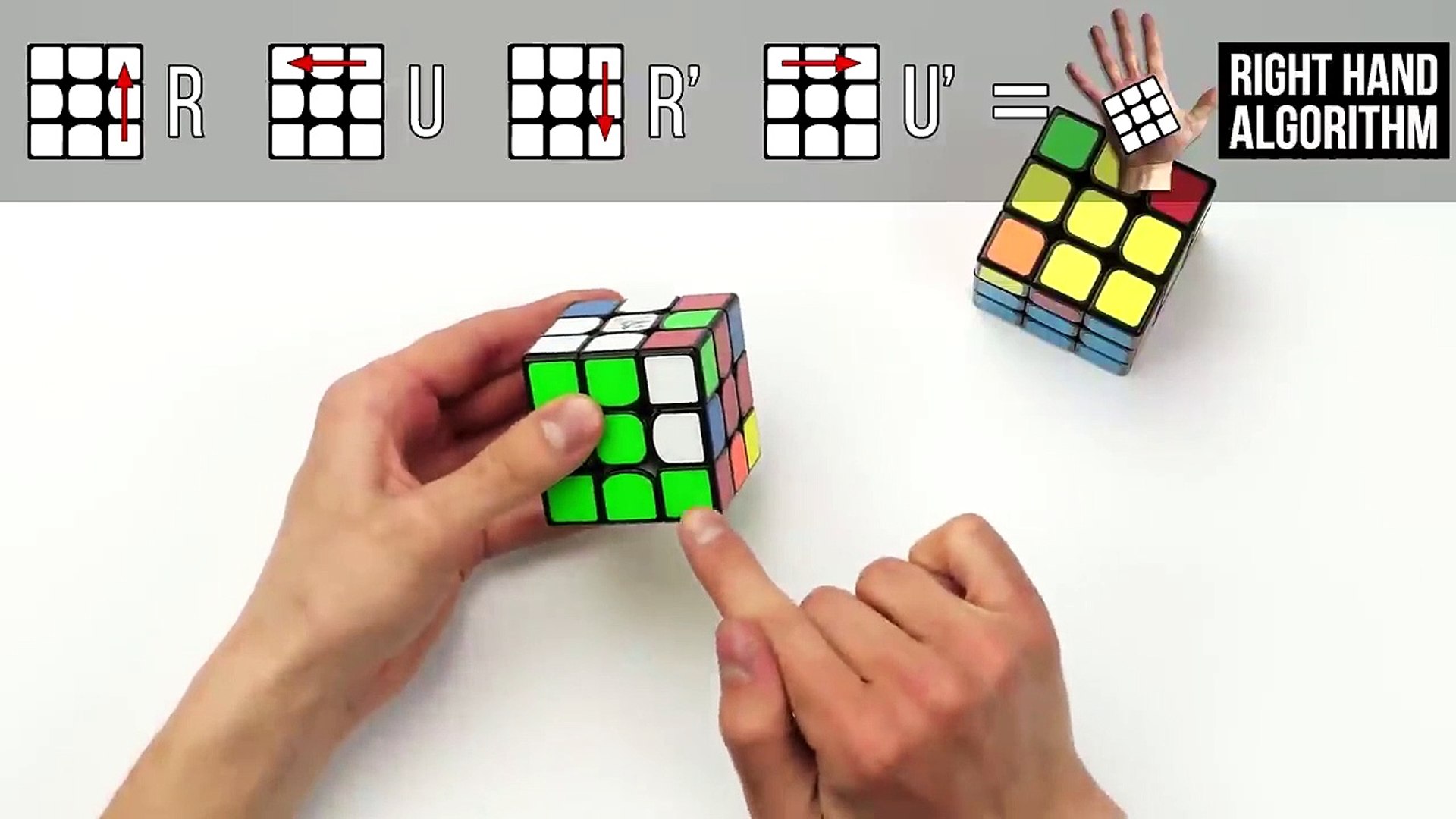
Standard CFOP algorithms are designed for two-handed use, where the left hand holds the cube and the right hand executes moves like R, U, F, etc. For left-handed solvers attempting one-handed solves, these algorithms must be adapted. Moves that require the right hand (like R') become difficult to execute with the left hand because the natural motion of the left hand favors L, U, F, and similar orientations.
Many elite left-handed solvers switch to OH-specific algorithms that minimize awkward finger movements. For instance, instead of performing a standard R' turn, a left-hander might use a combination of U and L moves to achieve the same result with greater fluidity. Resources like Andy Klise's Speedcubing Guide – Left Hand Version provide optimal examples of these adapted algorithms, highlighting faster alternatives for F2L and Last Layer stages.
Finger Independence and Move Combos
One of the biggest hurdles for left-handed solvers is developing independent finger movement. Since all four fingers must contribute to turning faces while the thumb and middle finger hold the cube, coordination is key. Practicing move combos—sequences of two or three turns performed rapidly with alternating fingers—can significantly improve speed.
For example, a left-hander might practice a sequence where the index finger turns the Right face, followed immediately by the ring finger turning the Down face, all while maintaining a stable grip with the thumb and middle finger. This type of drill builds the muscle memory necessary for high-level solving. Video tutorials from experienced cubers like Michael Atkinson and Chris Hardwick offer valuable insights into these techniques, emphasizing the importance of practicing every possible turn (R, R', R2, L, L', etc.) from the standard grip.
Training Strategies and Mental Preparation
Mastering one-handed solving is a marathon, not a sprint. Consistency, patience, and strategic practice are essential for improvement. Here are some proven strategies to enhance your performance with the best Rubik's cube for left handed solvers.
Structured Practice Sessions
Avoid marathon sessions that lead to fatigue and bad habits. Instead, adopt a high-intensity, short-duration approach. Solve for 15-20 minutes at a time, focusing on quality over quantity. Take breaks between solves to stretch your fingers and reset your mental state. This method helps build endurance without straining the hand, allowing you to maintain peak performance throughout a practice session.
Analyzing Your Solves
Recording your solves and reviewing them afterward is a powerful tool for improvement. Look for moments where the cube stalled, where you made an error, or where your grip slipped. Identifying these weak points allows you to target specific areas for improvement. Many modern apps and software tools can track your metrics, providing data on your average time, consistency, and worst cases.
Building Finger Strength and Flexibility
Since one-handed solving places unique stress on the hand, building strength is non-negotiable. Simple exercises like finger curls, grip squeezes, and wrist rotations can strengthen the muscles involved in cubing. Additionally, incorporating yoga or stretching routines focused on hand flexibility can prevent injuries such as tendonitis or carpal tunnel syndrome. Remember, a healthy hand is a fast hand.
Mental Resilience
One-handed solving can be frustrating, especially when the cube refuses to turn smoothly or when algorithms fail. Developing mental resilience is just as important as physical skill. Visualize successful solves before attempting them, and maintain a positive mindset even during setbacks. The psychological aspect of cubing cannot be overstated; confidence in your ability to execute a move often translates to smoother execution.
Understanding the Competitive Landscape and Records
The world of one-handed cubing is vibrant and constantly evolving. The World Cube Association (WCA) oversees official competitions, including the One-Handed event, where solvers compete for titles and world records. Keeping up with the latest records provides insight into the current standards of performance.
Current Record Holders
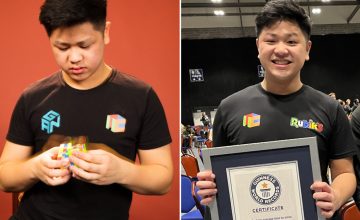
As of 2026, the landscape of OH records showcases the incredible potential of human dexterity. Dhruv Sai Meruva currently holds the single solve record, achieving an astonishing time of 5.66 seconds. This feat demonstrates what is possible with the right combination of hardware, technique, and training. Previous record holders like Patrick Ponce and Chris Tran have also pushed the boundaries, utilizing customized cubes and innovative algorithms to shave fractions of a second off their times.
Regional Competitions and Local Scenes
While major international events attract top talent, local competitions play a vital role in nurturing new solvers. Cities like London, New York, Tokyo, and Mumbai host regular WCA-sanctioned events where left-handed solvers can test their skills against peers. Participating in these local gatherings provides invaluable experience, exposure to different solving styles, and the motivation to improve. Engaging with the local cubing community can also lead to shared knowledge about the best Rubik's cube for left handed solvers available in your region.
The Evolution of Equipment
The evolution of cubing equipment mirrors the advancements in technology and materials science. From early plastic puzzles to today's high-tech magnetic speed cubes, the journey has been remarkable. In 2026, we see a trend towards smart cubes equipped with sensors and connectivity, although these are primarily used for training and analysis rather than competition. Traditional mechanical cubes remain the standard for official events due to their reliability and lack of dependency on batteries or software.
The integration of smart technology into the cubing world has opened new frontiers for training, even if the competition floor remains strictly mechanical. While "smart cubes" with Bluetooth connectivity and LED indicators are not yet standard issue for WCA-sanctioned events, they serve as invaluable tools for left-handed solvers looking to refine their muscle memory. These devices can track every turn, detect misalignments in real-time, and provide instant feedback on finger independence. For a left-hander struggling to execute a specific algorithm smoothly, a smart cube can highlight exactly where the hesitation occurred, allowing for targeted practice that accelerates the learning curve. However, it is crucial to remember that reliance on such technology should be temporary; the ultimate goal is to internalize these movements so that they become second nature without external aids.
The Role of Community and Mentorship
No journey in speedcubing is undertaken in isolation. The community surrounding one-handed solving is tight-knit, driven by a shared passion for pushing human limits. For left-handed solvers, finding mentors who understand the unique ergonomic challenges of OH play is essential. Online forums, Discord servers, and YouTube channels dedicated to cubing often feature threads specifically discussing left-hand techniques. Platforms like Reddit's r/cubing or specialized sub-forums allow solvers to share video breakdowns of their solves, request critique on their grip, and discuss the nuances of different cube models.
Mentorship from established left-handed athletes can make a profound difference. Watching how an expert like Patrick Ponce transitions between faces or how Dhruv Sai Meruva manages tension during a high-speed solve provides a visual roadmap for aspiring competitors. These masters often share secrets that aren't immediately apparent from written guides—subtle adjustments in wrist angle, the exact pressure required on the thumb, and the rhythm of finger flicks. Engaging with these resources transforms solitary practice into a collaborative learning experience, fostering a deeper understanding of the craft.
Furthermore, local cubing communities often organize "practice nights" where enthusiasts gather to solve together. These informal sessions are incredibly beneficial for left-handed solvers because they offer a low-pressure environment to experiment with new hardware and techniques. Sharing a table with others allows for immediate observation of different solving styles, helping individuals identify what works best for their own physiology. It is within these communal spaces that the knowledge of the best Rubik's cube for left handed solvers is often disseminated first, as experienced members test new releases before they hit the general market.
Maintenance and Longevity of Your Cube
Even the most advanced cube requires proper care to maintain its peak performance, especially given the intense physical demands placed upon it during one-handed solving. Left-handed solvers tend to apply more uneven stress to certain parts of the mechanism compared to two-handed solvers, as the entire load is borne by a single hand. This necessitates a rigorous maintenance routine involving lubrication, cleaning, and occasional re-tensioning.
Lubrication is perhaps the most critical aspect. Over time, the factory grease can dry out or attract dust, increasing friction and causing the cube to feel gritty. For OH solvers, using a high-quality silicone-based lube is essential to ensure buttery-smooth turns. However, application must be done judiciously; too much lube can cause the layers to float uncontrollably, leading to instability during fast sequences. A light coat on the core pieces and the inner mechanisms is usually sufficient. Regular cleaning with isopropyl alcohol can remove accumulated grime without damaging the plastic or magnets.
Tension adjustment is another vital skill. As a cube undergoes wear and tear, the springs may lose their elasticity, or the screws may loosen. Left-handed solvers should frequently check the tension of their center screws to ensure the cube feels balanced. If the cube feels too loose, it may wobble and slip during aggressive turns; if too tight, it will resist movement and fatigue the hand quickly. Finding the perfect tension is a dynamic process that changes with humidity and temperature, requiring periodic fine-tuning. By treating the cube as a precision instrument rather than a toy, solvers can extend its lifespan and ensure consistent performance over years of competitive use.
Frequently Asked Questions About One-Handed Cubing
As the popularity of one-handed solving continues to grow, questions from newcomers and intermediate solvers often revolve around equipment selection and technique refinement. Addressing these common queries helps clarify misconceptions and provides actionable advice for those starting their OH journey.
Q: Is it harder to learn one-handed solving as a left-handed person compared to a right-handed person?
A: While the fundamental mechanics are similar, there are distinct differences. Right-handed solvers have historically had more exposure to two-handed methods, which can sometimes translate poorly to one-handed scenarios. Left-handed solvers often find that adapting standard algorithms feels more natural initially because their dominant hand is already used to manipulating the puzzle from a different angle. However, the lack of a stabilizing right hand presents a universal challenge. The key is not handedness itself, but rather the willingness to learn OH-specific grips and algorithms. With dedicated practice, left-handed solvers can achieve elite levels just as quickly as their right-handed counterparts.
Q: Do I need a special cube specifically labeled "for left hands"?
A: No, there is no such thing as a cube manufactured exclusively for left-handed solvers in terms of color scheme or internal geometry. All standard 3×3 cubes are symmetrical and can be solved with either hand. The distinction lies in the features that benefit one-handed play, such as superior corner cutting, optimal weight distribution, and magnetic alignment. Any high-quality speed cube from top brands like MoYu, GAN, or QiYi can serve as the best Rubik's cube for left handed solvers if it meets the criteria of smooth turning and reliable magnetism. The choice depends on personal preference regarding size, tension, and feel rather than handedness.
Q: How long does it typically take to break a sub-10-second average in one-handed solving?
A: The timeline varies significantly based on prior cubing experience, natural dexterity, and practice frequency. Solvers who already know the CFOP method and have strong two-handed skills may reach a sub-10-second average within three to six months of focused OH practice. Those new to speedcubing entirely might take a year or more to develop the necessary finger independence and muscle memory. Consistency is paramount; practicing daily for short durations yields better results than sporadic marathon sessions. Patience and a structured training plan are the true accelerators of progress.
Q: What are the most common mistakes left-handed solvers make when starting OH?
A: One of the most frequent errors is gripping the cube too tightly, which increases friction and leads to rapid fatigue. Another common mistake is attempting to use right-handed algorithms without adaptation, resulting in awkward finger movements and stalled solves. Additionally, many beginners neglect stretching and warm-up exercises, leaving them susceptible to strain injuries. Finally, relying solely on brute force rather than utilizing the cube's momentum and magnetic pull is a technical flaw that slows down even the most talented solvers. Avoiding these pitfalls through education and mindful practice is essential for long-term success.
Conclusion: Mastering the Puzzle with Precision
The pursuit of excellence in one-handed cubing is a testament to human adaptability and the relentless drive to overcome physical constraints. For left-handed solvers in 2026, the path to mastery is paved with the right combination of state-of-the-art hardware, refined technique, and unwavering dedication. The market offers an array of exceptional options, from the lightweight agility of the Cubikong Drift to the robust reliability of the MoYu Weilong WR M, ensuring that every solver can find a tool that complements their unique style.
Remember that the best Rubik's cube for left handed solvers is ultimately defined by how well it enhances your personal flow and confidence. It is not merely a piece of plastic and magnetism; it is an extension of your mind and hand, a canvas upon which you paint patterns of logic and speed. As you delve deeper into this fascinating event, keep in mind that every second shaved off your time is a victory won against gravity and inertia. Whether you are aiming for a personal best at your local shop or dreaming of standing on the podium at a World Championship, the journey begins with a single turn.
Embrace the challenge, respect the physics, and let the click of the magnets guide your way. The community awaits your story, and the records are waiting to be broken. With the right cube, the right technique, and the right mindset, there is no limit to what a left-handed solver can achieve in the world of speedcubing. So pick up your cube, adjust your grip, and start solving. The future of one-handed cubing is bright, and it is being built by solvers just like you, one twist at a time.