In the vibrant world of competitive speedcubing in 2026, the debate between intuitive F2L and algorithmic approaches has reached a new level of sophistication. For solvers in cities like Seattle, Portland, and beyond, mastering the First Two Layers (F2L) is no longer just about memorizing moves; it is about understanding the fluid logic that drives sub-10-second solves. While the traditional method relied heavily on rote memorization of 41 distinct algorithms, the modern era demands a deeper comprehension of pairing concepts and lookahead techniques. This guide explores the nuanced differences between these two methodologies, helping you decide which path aligns with your solving style and goals. Whether you are a beginner in Bellevue looking to break the 30-second barrier or an experienced cuber aiming for the podium, understanding this dichotomy is essential for your journey.
The landscape of speedcubing has evolved significantly. In the past, relying solely on algorithms was the standard for rapid progress. However, as data from top-tier competitions shows, the most efficient solvers today blend both worlds. They use algorithms as a safety net for difficult cases but rely on intuition for the majority of their solve. This article delves deep into the mechanics of Rubik's Cube F2L intuitive vs algorithmic approaches, providing actionable insights, statistical comparisons, and strategies tailored for the contemporary cuber. We will examine how local cubing communities are adapting these methods and why the shift toward intuitive mastery is reshaping the sport.
The Evolution of F2L: From Memorization to Mastery
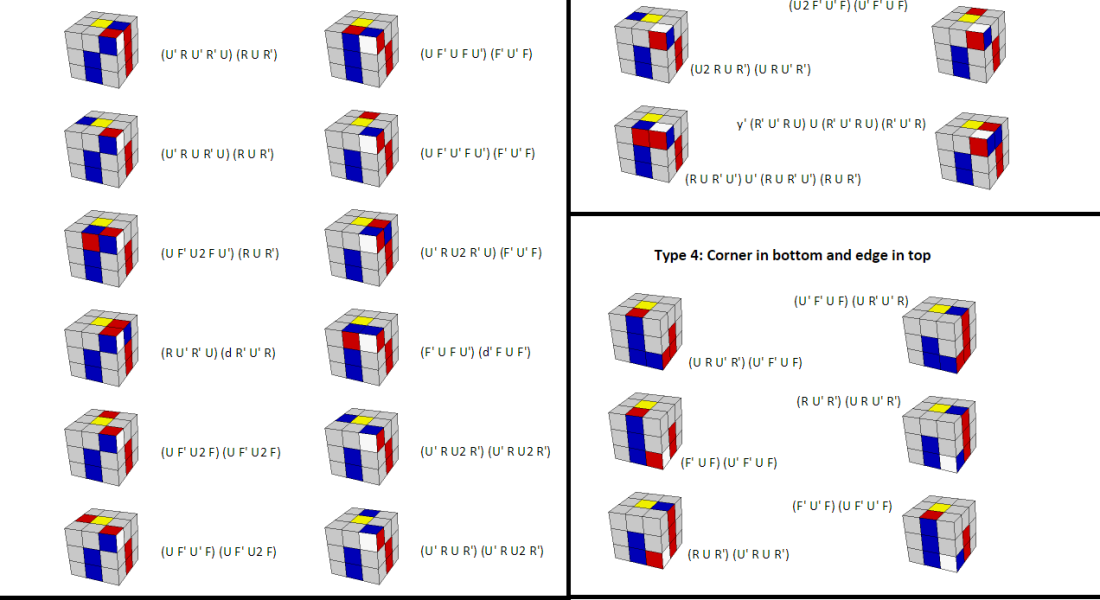
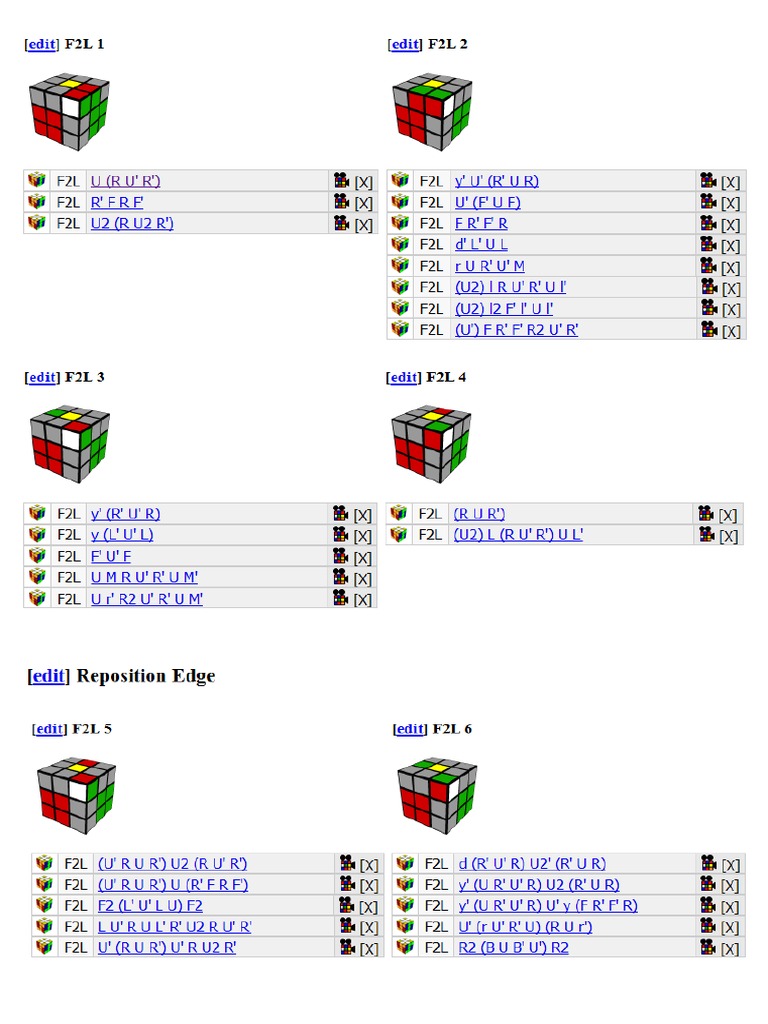
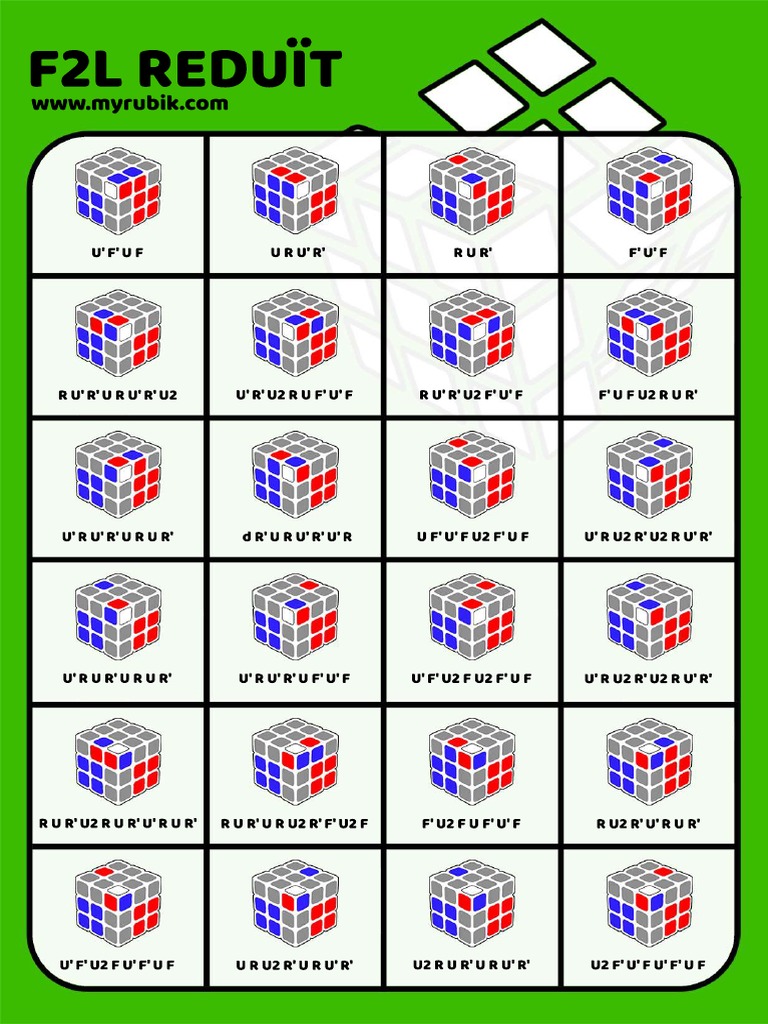
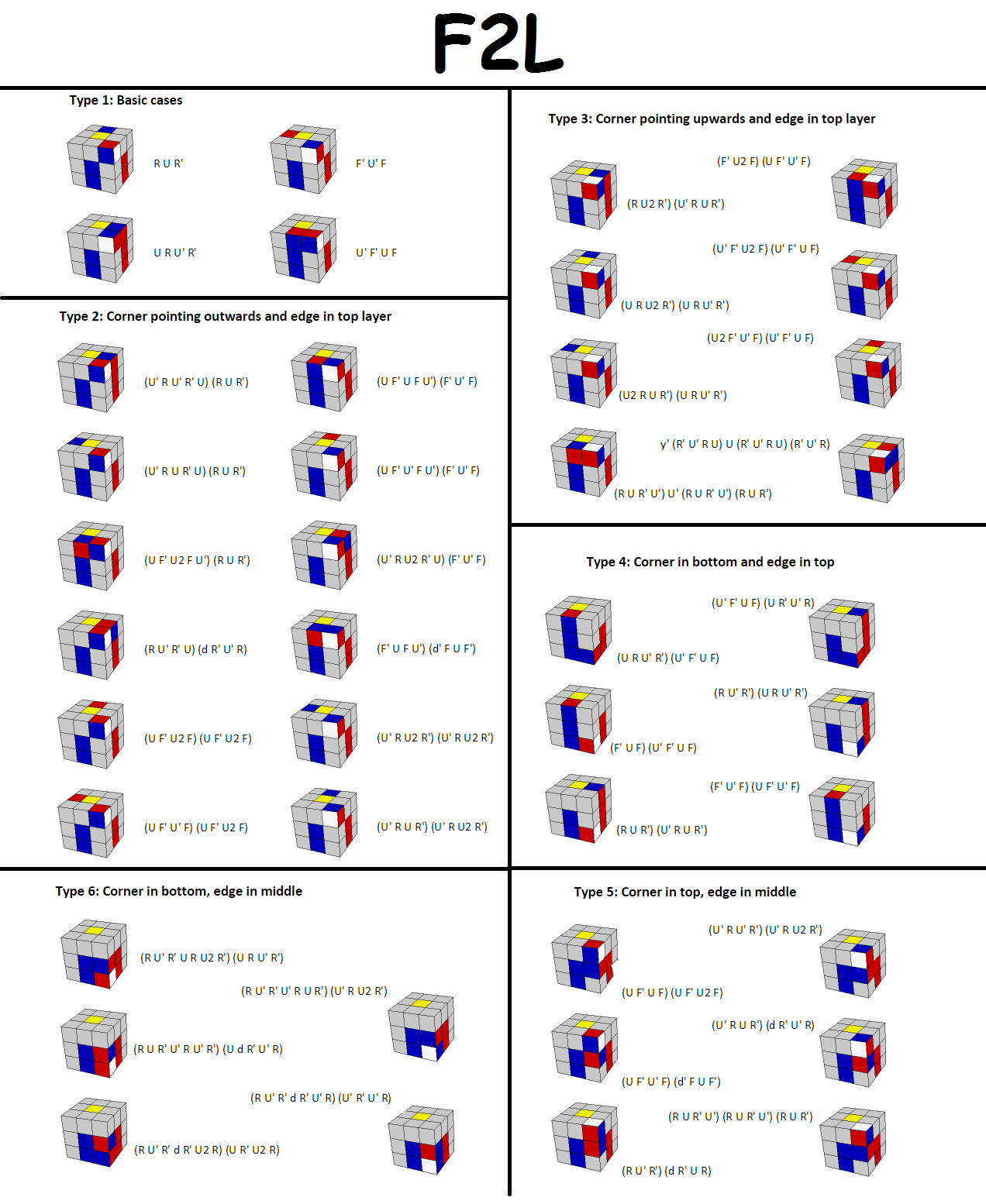
To understand the current state of F2L intuitive vs algorithmic approaches, we must first look at the history of the CFOP method. Developed by Jessica Fridrich, this method revolutionized speedcubing by introducing the concept of solving the first two layers simultaneously rather than layer by layer. Originally, the focus was heavily placed on memorizing every possible permutation of corner-edge pairs. There were 41 standard cases identified, each requiring a specific sequence of moves to insert correctly.
For decades, this algorithmic approach was the gold standard. Beginners would learn the cross, then spend months memorizing these 41 algorithms before attempting to solve the cube faster. The logic was sound: if you know the exact solution for every scenario, you can execute it without hesitation. However, this method had a significant downside. It created a bottleneck where solvers would pause mid-solve to recall a complex sequence, killing their average move count and time per solve.
As the community grew, particularly in hubs like Austin and Chicago, cubers began to notice a trend. Those who focused less on memorization and more on understanding why a move worked were consistently faster. They realized that many of the 41 cases shared underlying patterns. By recognizing these patterns, they could solve pairs without recalling specific algorithms. This marked the rise of intuitive F2L.
The transition from algorithmic reliance to intuitive freedom is not about abandoning tools; it is about optimizing them. In 2026, the consensus among world-class solvers is clear: intuition should be the primary driver, with algorithms serving as backup plans for rare or complex scenarios. This shift has lowered the barrier to entry for high-level solving, allowing more people to achieve sub-20-second solves through logical deduction rather than brute-force memorization.
Understanding Intuitive F2L: The Logic of Pairing
Intuitive F2L is defined by the ability to solve the first two layers based on spatial reasoning and logical deduction rather than muscle memory of specific sequences. At its core, intuitive F2L relies on 5 fundamental concepts that cover all 41 possible cases. These concepts allow a solver to look at any scrambled pair of corner and edge pieces and instantly visualize the most efficient path to insertion.
The Five Core Concepts of Intuitive Solving
- Basic Pairing: This is the foundation. When the corner and edge pieces are already paired and positioned above the target slot, the solution is simple: insert them directly. This requires minimal thought and forms the basis for all other cases.
- Corner in Place: Sometimes, the corner is already in the correct slot, but the edge is elsewhere. The intuitive solution involves temporarily extracting the corner, bringing the edge into position, pairing them, and reinserting the complete block. Think of it as "take out, pair up, put back."
- Edge in Place: The mirror image of the previous case. Here, the edge is stuck in the slot, and the corner needs to be brought in. The logic remains the same: extract the edge, introduce the corner, pair, and insert.
- Both Pieces Separate: Often, both the corner and edge are in the top layer but not paired and not in the correct slots. The solver must use the empty slot to help them pair up before inserting. This requires careful manipulation to avoid disrupting other solved parts of the cube.
- Split or Trapped Pairs: In more chaotic scrambles, pieces might be stuck in wrong slots or separated across different pairs. The strategy involves extracting both pieces to the top layer, forming a pair there, and then inserting them correctly.
Benefits for the Modern Solver
Adopting an intuitive approach offers several distinct advantages over strict algorithmic memorization. First, it reduces cognitive load. Instead of searching a mental database of 41 algorithms, the brain focuses on pattern recognition and spatial awareness. Second, it increases flexibility. Intuitive solvers can adapt to unique scrambles that don't fit neatly into standard categories, whereas rigid algorithmic solvers might struggle or make mistakes when faced with an unexpected configuration.
Third, intuition fosters better lookahead skills. Lookahead is the practice of finishing one pair while already planning the next. When you rely on algorithms, you often have to stop and think about the next case after executing a long sequence. With intuition, the flow is continuous because you are always thinking about the geometry of the pieces, not just the move sequence. This is crucial for achieving sub-10 second averages in competitions held in major metropolitan areas.
Finally, intuitive F2L is more durable under pressure. In high-stakes environments, such as national championships in Denver or Miami, stress can cause "choking" where memory fails. Logical understanding, however, remains robust even when adrenaline spikes. You can always fall back on basic pairing principles if your specific algorithm slips your mind.
The Role of Algorithms: Tools, Not Crutches
While intuition is king in modern speedcubing, dismissing algorithms entirely is a mistake. Algorithmic F2L still plays a vital role, particularly for optimization and handling edge cases. The 41 cases identified in the CFOP method represent the maximum number of unique permutations for corner-edge pairs. While many of these are mirrors or variations of others, having a toolkit of optimized algorithms ensures that no case is unsolvable.
When to Use Algorithms
Algorithms should be viewed as optimization tools rather than primary solutions. They are most useful in the following scenarios:
- Complex Setups: Some cases involve intricate maneuvers that are difficult to execute intuitively on the fly. An optimized algorithm can save moves and reduce execution time.
- Consistency: For solvers who are still developing their intuition, algorithms provide a reliable fallback. If you miss a recognition cue, having a known sequence prevents catastrophic errors.
- Specialized Techniques: Certain advanced methods, like COLL (Corners of the Last Layer) or specific OLL/PLL setups, rely heavily on algorithmic precision. While F2L is primarily intuitive, the transition to the last layer often benefits from algorithmic knowledge.
The Danger of Over-Reliance
The primary danger of an algorithmic approach is the development of "blind" solving. When a solver relies entirely on memorized sequences, they may fail to recognize when a simpler, more efficient intuitive solution exists. This leads to longer solve times and a lack of adaptability. Furthermore, memorizing 41 algorithms requires significant time investment, which could be better spent on improving finger tricks, rotation efficiency, and lookahead drills.
In 2026, the most successful solvers treat algorithms as a reference library. They learn the optimal algorithm for a case once to understand its mechanics, but then they practice solving that case intuitively until it feels natural. This hybrid approach allows them to switch seamlessly between intuitive flow and algorithmic precision depending on the situation.
Comparative Analysis: Statistics and Performance Metrics
To determine which approach is superior, we must look at performance metrics derived from competitive data and community studies. While individual results vary, general trends highlight the efficiency gains of intuitive solving.
Move Efficiency and Execution Time
Statistical analysis of top-tier solvers reveals a striking difference in Average Moves Per Solve (AMPS). Solvers who prioritize intuitive F2L typically average between 55 and 60 moves for the entire F2L step. In contrast, those who rely heavily on memorized algorithms often average 65 to 70 moves. This seemingly small difference translates to significant time savings over the course of a solve.
Execution time, measured in milliseconds per move, also favors intuition. Intuitive solvers tend to have smoother transitions between moves, reducing the "dead time" associated with recalling an algorithm. Algorithmic solvers often exhibit micro-pauses between steps as they retrieve the next sequence from memory. In a sport where margins are measured in hundredths of a second, this consistency is paramount.
Recognition Speed and Lookahead
The most significant metric separating the two approaches is recognition speed. Intuitive solvers develop the ability to identify the type of pair (e.g., "corner in place," "split pair") within fractions of a second. This allows them to maintain lookahead throughout the entire F2L stage. They are solving Pair 4 while inserting Pair 3, all while planning Pair 2.
Algorithmic solvers, conversely, often experience "recognition lag." They must first identify the case, then recall the algorithm, and finally execute it. This tripartite process disrupts the flow and limits lookahead potential. Data suggests that elite solvers with strong intuitive foundations can maintain lookahead depths of 2-3 pairs ahead, whereas algorithm-dependent solvers rarely exceed 1 pair ahead.
Adaptability in Variable Conditions
Competition conditions are never static. Weather, lighting, and cube tension can affect solve times. Intuitive solvers demonstrate higher adaptability in these variable conditions. Because their solutions are based on logic rather than muscle memory, they can adjust their approach mid-solve if a piece behaves unexpectedly. Algorithmic solvers, bound by their memorized sequences, may find themselves locked into inefficient paths when things go slightly off-plan.
Practical Strategies for Transitioning to Intuitive Solving
For cubers looking to shift from an algorithmic mindset to an intuitive one, the transition requires patience and deliberate practice. Here are proven strategies to accelerate your learning curve.
Step 1: Master the Basics Before Memorizing
Do not rush to memorize the 41 algorithms. Start by mastering the basic inserts and understanding the geometry of the cube. Spend time simply playing with pairs, experimenting with different ways to insert them, and seeing what happens when you change the order of moves. This builds the foundational intuition necessary for advanced solving.
Step 2: Learn One Algorithm Per Case for Understanding
When you encounter a new case, learn the corresponding algorithm once. Focus on understanding what the algorithm does rather than just memorizing the notation. Ask yourself: "Why does this sequence work?" "How does it move the corner?" "What happens to the edge?" Once you grasp the mechanism, immediately stop using the algorithm and try to solve the case intuitively.
Step 3: Practice Without Time Pressure
Set aside dedicated time for intuition drills. Grab a timer, but do not race. Scramble the cube and take as much time as you need to solve each pair using only your logical deductions. Record your solves and review them later. Identify moments where you hesitated or resorted to an algorithm, and analyze why.
Step 4: Utilize Lookahead Drills
Lookahead is the bridge between intuition and speed. Practice drills where you force yourself to finish one pair before starting the next. Start with simple pairs and gradually increase the complexity. The goal is to train your brain to anticipate the location of the next pair while your hands are still executing the current one.
Step 5: Join Local Communities
Engage with local cubing groups in your area. Cities like Seattle, Portland, and San Francisco have active speedcubing communities that meet regularly. Sharing experiences, watching walkthroughs of intuitive solves, and getting feedback from peers can drastically speed up your learning process. Many local shops offer workshops specifically focused on transitioning to intuitive methods.
The Future of F2L: Trends Shaping 2026 and Beyond
As we look toward the future of speedcubing, the lines between intuitive and algorithmic approaches continue to blur. The introduction of AI-driven analysis tools and advanced motion-capture technology is changing how we learn and teach F2L.
AI and Personalized Learning
In 2026, AI assistants are becoming integral to training regimens. These tools can analyze a solver's video footage, identify inefficiencies in their F2L execution, and suggest personalized intuitive improvements. Instead of generic algorithm lists, solvers receive tailored advice on how to recognize specific patterns in their unique solving style.
The Rise of "Hybrid" Methods
The future belongs to the hybrid solver. These individuals possess a deep reservoir of intuitive knowledge but have curated a selective set of highly optimized algorithms for specific, recurring scenarios. They use algorithms only when the intuitive path is too slow or error-prone. This approach maximizes efficiency while minimizing cognitive load.
Global Competition Standards
International competitions are increasingly emphasizing fluidity and creativity over raw memorization. Judges and scorers are beginning to reward solves that demonstrate exceptional lookahead and adaptive problem-solving. This shift incentivizes cubers worldwide to prioritize intuition, ensuring that the spirit of innovation continues to drive the sport forward.
The integration of AI and motion-capture technology has already begun to reshape the pedagogical landscape, offering solvers in Seattle and beyond a level of precision previously unattainable. These advanced tools do not merely record data; they deconstruct the biomechanics of a solve, highlighting micro-hesitations that kill time. For instance, an algorithmic solver might execute a sequence perfectly according to memory but pause for a split second while visualizing the next step. An intuitive solver, conversely, moves with continuous momentum because their brain is processing spatial relationships rather than retrieving stored text. In 2026, training software can now flag these specific "recognition gaps" and provide drills designed to close them, effectively automating the transition from rote memorization to fluid logic. This technological support accelerates the learning curve, allowing beginners to grasp intuitive concepts in weeks rather than the months traditionally required.
Furthermore, the concept of the "Hybrid Solver" represents a maturation of the sport's philosophy. It is no longer a binary choice between being intuitive or algorithmic; it is about strategic allocation of cognitive resources. A hybrid solver might possess a library of 10 to 15 highly optimized algorithms for the most common F2L scenarios, using them as a safety net for difficult cases where intuition fails or would take too many moves. However, for the remaining 85% of cases, they rely entirely on pattern recognition and logical deduction. This approach minimizes the mental load during high-pressure competition. When adrenaline spikes, the brain often struggles to access complex verbal memories (algorithms) but excels at accessing spatial and kinesthetic memories (intuition). By prioritizing intuition, hybrid solvers ensure their performance remains consistent regardless of their emotional state.
The Psychological Aspect: Overcoming the Fear of Failure
One of the most significant barriers to adopting an intuitive approach is the fear of making a mistake. Algorithmic solvers feel secure because they know exactly what to do; if they forget the algorithm, they can often guess based on the shape, but they have a fallback. Intuitive solvers, however, must be comfortable with uncertainty. They must trust their ability to figure out the solution in real-time. This requires a shift in mindset known as "productive failure." In the early stages of learning intuitive F2L, solvers will make mistakes more frequently. They will try to insert a pair intuitively and end up disrupting a previously solved layer. This is normal and necessary.
Overcoming this fear involves reframing mistakes as data points rather than failures. Each error provides information about a gap in your spatial understanding. Did you fail to see the corner because you were looking at the wrong face? Did you get stuck because you didn't account for the edge piece blocking the path? By analyzing these errors logically, you strengthen your intuitive muscle. In local cubing communities across the Pacific Northwest, groups often hold "blind solve" sessions where participants attempt to solve without looking at the cube after a scramble, forcing them to rely solely on their mental model. These sessions are incredibly effective at building confidence in one's intuitive abilities.
Moreover, the psychological benefit of intuition extends beyond the solve itself. Solvers who rely on logic report a deeper sense of satisfaction and mastery. There is a unique joy in looking at a scrambled cube and feeling confident that you can figure out the solution through reasoning alone, rather than hoping a memorized sequence will work. This sense of agency transforms speedcubing from a test of memory into a true puzzle-solving experience. It aligns the sport more closely with the original intent of the Rubik's Cube as a tool for developing spatial intelligence.
Advanced Techniques: COLL and ZBLL Integration
While F2L is primarily intuitive, its interaction with the Last Layer (LL) methods is crucial for elite performance. The COLL (Corners of the Last Layer) method is a prime example of how intuitive thinking can merge with algorithmic efficiency. COLL allows solvers to orient all last layer corners and permute edges simultaneously before executing the final PLL algorithm. Mastering COLL requires a strong intuitive foundation in F2L because the setup moves for COLL often depend on how the F2L pairs were inserted. If an intuitive solver has placed their pairs optimally, the COLL setup becomes trivial. If they relied on rigid algorithms that forced suboptimal placements, they may find themselves struggling with complex COLL cases.
Similarly, the ZBLL (Zborowski-Bramlett Last Layer) method represents the pinnacle of algorithmic F2L integration. ZBLL solves the entire cube in one flow, requiring the solver to memorize hundreds of algorithms. While ZBLL is undeniably powerful, it demands an almost encyclopedic memory. In contrast, an intuitive F2L approach combined with a simpler LL method like OLL/PLL offers a more sustainable path for long-term improvement. Many top solvers in 2026 use intuitive F2L with OLL/PLL because it allows for greater lookahead and adaptability. They can adjust their F2L strategy mid-solve to set up a favorable last layer case, something that is nearly impossible with a rigid ZBLL approach. This flexibility is a key differentiator between intermediate and world-class solvers.
Community Impact and Regional Variations
The adoption of intuitive F2L varies by region, influenced by local coaching styles and community culture. In hubs like Seattle and Portland, there is a strong emphasis on individual problem-solving and creativity, which naturally fosters an intuitive environment. Cubers in these cities often share resources focused on pattern recognition and spatial visualization. Conversely, regions with a heavy competitive history might initially cling to traditional algorithmic methods due to established coaching curricula. However, the tide is turning everywhere. As video tutorials become more accessible and high-level solves are streamed live, the benefits of intuition are becoming undeniable to observers and participants alike.
Local competitions serve as proving grounds for these methodologies. At events in Denver and Miami, judges and spectators often comment on the fluidity of intuitive solvers. Solves that appear seamless, with no visible pauses for thought, receive higher marks for "flow" even if the time is marginally slower than a perfect algorithmic solve. This cultural shift encourages aspiring cubers to prioritize understanding over memorization. It creates a healthier ecosystem where learning is collaborative and focused on growth rather than just achieving a personal best through brute force.
Future Training Methodologies
Looking ahead, the training methodologies for F2L will likely become even more specialized. We can expect to see the development of "scenario-based drills" that present solvers with random, chaotic scrambles designed specifically to break algorithmic habits. These drills will force the brain to engage purely in spatial reasoning. Additionally, virtual reality (VR) training rigs are on the horizon, allowing cubers to practice F2L in immersive 3D environments where they can manipulate pieces visually without physical constraints. Such tools will deepen the intuitive connection between the solver and the cube, making the leap to sub-10-second averages more achievable for a wider demographic.
The ultimate goal of any F2L method is not just speed, but the enjoyment of the process. Whether one chooses a strictly intuitive path or a hybrid approach, the journey of mastering the First Two Layers is a testament to human cognitive potential. It teaches patience, persistence, and the value of understanding over blind repetition. As we move further into 2026 and beyond, the most successful solvers will be those who can blend the reliability of algorithms with the freedom of intuition, creating a solving style that is both efficient and elegant.
Frequently Asked Questions
Q: Do I need to learn all 41 F2L algorithms before I can start solving intuitively?
A: No, absolutely not. In fact, learning all 41 algorithms first can hinder your progress toward intuitive solving. The recommended approach is to learn the basic insertion techniques and the five core concepts first. You can learn one or two algorithms per case only to understand the mechanics, then immediately stop using them and practice solving intuitively. This prevents the formation of bad habits where you rely on muscle memory instead of logic.
Q: How long does it take to transition from an algorithmic to an intuitive style?
A: The timeline varies significantly depending on your current skill level and dedication. For a beginner, it might take a few weeks of consistent practice to feel comfortable with the basics. For an intermediate solver who already knows the algorithms, the transition can happen in a few months as they retrain their brain to recognize patterns rather than sequences. The key is consistent, deliberate practice without time pressure during the initial phase.
Q: Is intuitive F2L harder to learn than algorithmic F2L?
A: Initially, yes. Algorithmic F2L provides a clear, step-by-step roadmap that feels safer for beginners. Intuitive F2L requires a higher degree of spatial awareness and abstract thinking, which can be frustrating at first. However, once the intuitive concepts click, the learning curve flattens, and the ceiling for improvement becomes much higher. Many find that intuitive F2L is ultimately less stressful because it eliminates the fear of forgetting an algorithm during a solve.
Q: Can I mix intuitive and algorithmic approaches in the same solve?
A: Yes, and many advanced solvers do exactly that. This is known as a hybrid approach. You might use an intuitive method for the first three pairs because they are simple, but switch to a memorized algorithm for a particularly tricky fourth pair that doesn't fit your current intuitive patterns. The goal is to use whichever method gets you the fastest result for that specific situation, always striving to make the algorithmic part intuitive over time.
Conclusion: The Path Forward in Speedcubing
As we conclude our exploration of Rubik's Cube F2L intuitive vs algorithmic approaches, it is evident that the future of speedcubing lies in a balanced, intelligent synthesis of both worlds. The rigidity of pure memorization has given way to a dynamic era where understanding, adaptability, and fluidity reign supreme. For solvers in Seattle, Portland, and across the globe, the message is clear: do not let algorithms dictate your solving style. Instead, use them as tools to enhance your natural intuition.
The journey from a novice who counts algorithms to a master who sees patterns is the true essence of the sport. It transforms the Rubik's Cube from a puzzle of recall into a canvas for creativity. By embracing intuitive F2L, you unlock a level of performance that is not only faster but also more resilient under pressure. You develop a deep, lasting connection with the cube that transcends mere speed records. Whether you aim for the podium in international competitions or simply enjoy the satisfaction of a smooth, fast solve in your living room, the principles of intuition offer a pathway that is accessible to everyone.
In 2026 and beyond, the title of "speedcuber" will belong not to those who know the most algorithms, but to those who understand the cube the best. So, put down the cheat sheets, pick up your cube, and start looking at the pairs not as cases to be recalled, but as problems to be solved. The logic is there, waiting for you to discover it. The clock is ticking, but with intuition as your guide, you will find that the solution was within your reach all along. Welcome to the new era of F2L, where every move tells a story of understanding, and every solve is a triumph of the mind.