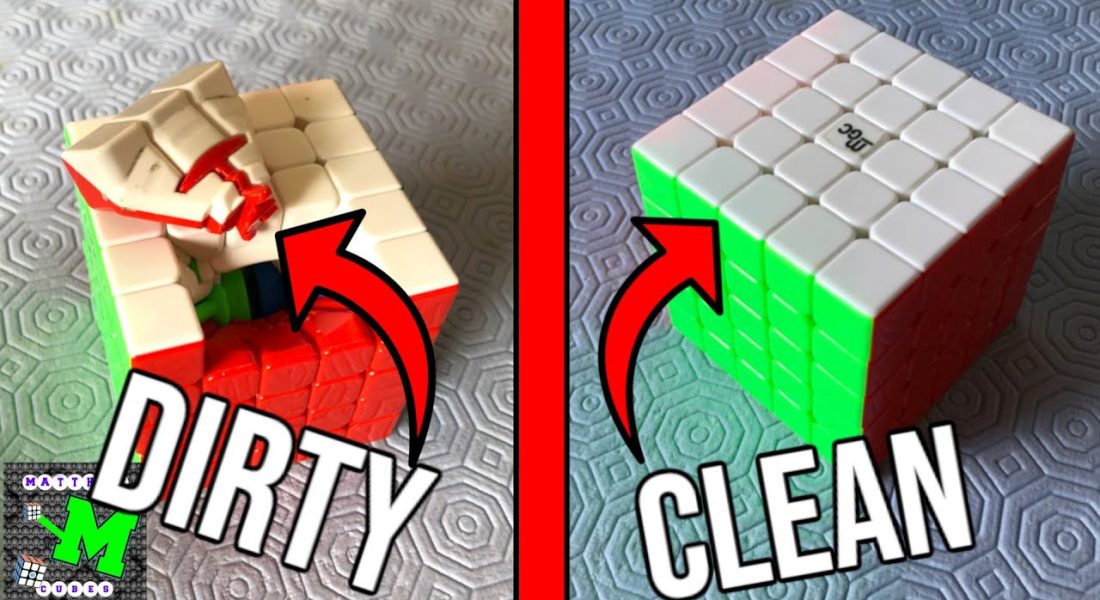
Are you tired of your favorite puzzle feeling gritty, sluggish, or sticky? You are not alone. In the vibrant cubing community of 2026, where speedcubers across cities like London, Tokyo, New York, and São Paulo push the boundaries of human dexterity, the condition of your hardware is just as critical as your algorithm knowledge. A well-maintained cube turns with the fluidity of water, while a neglected one feels like grinding through sandpaper. Whether you are a casual enthusiast solving puzzles at home in your living room or a competitive racer training for the upcoming World Championships, understanding the nuances of rubiks cube maintenance and cleaning routine is the secret weapon that separates good solvers from great ones.
The science behind twisty puzzles has evolved significantly over the last few years. Modern speed cubes utilize complex internal mechanisms, magnetic stabilization systems, and advanced polymers that demand specific care protocols. Ignoring these needs leads to friction buildup, pop-outs during high-speed solves, and ultimately, shortened product life. This comprehensive guide dives deep into the expert techniques used by top-tier cubers to keep their equipment performing at peak levels. We will explore everything from tension adjustments under center caps to the chemical composition of modern lubricants, ensuring your cube remains a joy to solve for years to come.
Why Regular Maintenance is Non-Negotiable in 2026
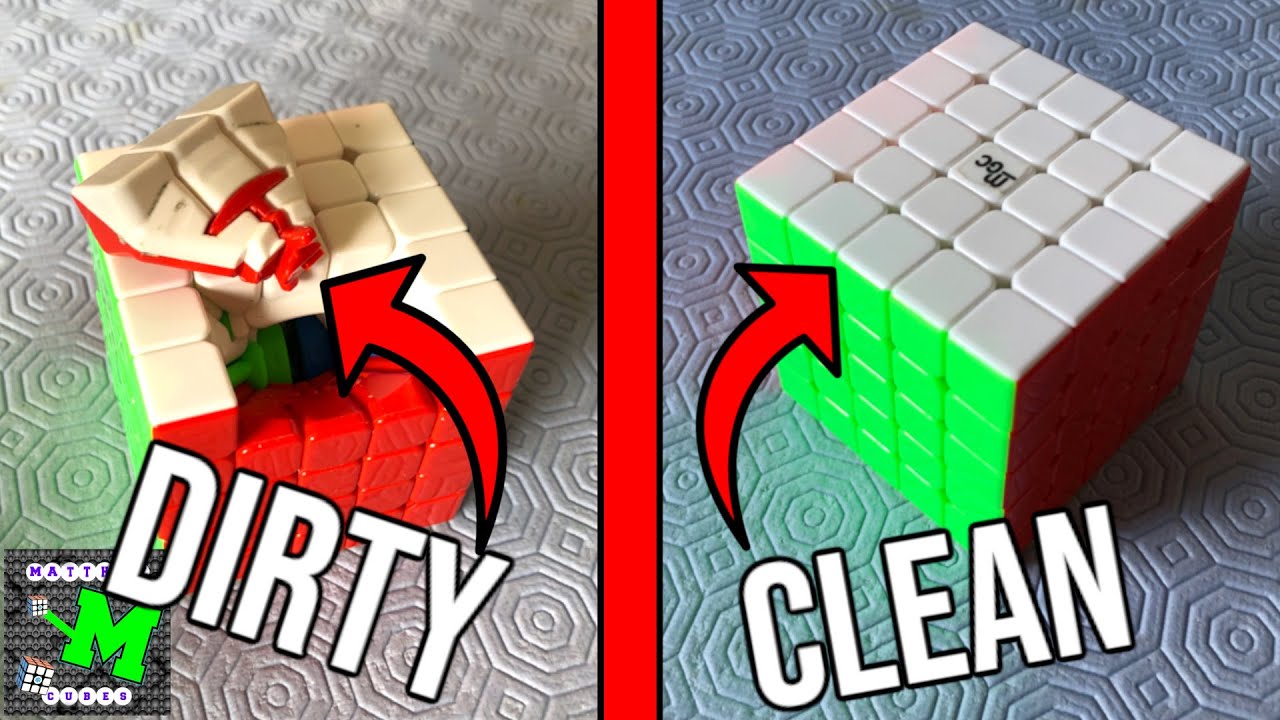
In an era where sub-5 second solves are becoming more common among intermediate competitors, the margin for error regarding equipment performance has narrowed drastically. Dust, dead skin cells, and old, oxidized lubricant create a paste-like substance inside the cube's core. This accumulation acts as an abrasive, increasing friction and causing layers to bind or "catch" mid-turn. For a casual solver, this might just mean a frustrating moment; for a speedcuber, it can cost precious tenths of a second on every solve, ruining a PB (Personal Best).
Beyond performance, proper maintenance extends the lifespan of your investment. High-quality speed cubes, such as those from GAN, MoYu, or QiYi, can cost between $30 and $80 USD. Neglecting them can lead to cracked plastic pieces, stripped screws, or permanently damaged springs. By establishing a consistent cleaning and tuning schedule, you protect your financial investment and ensure that the tactile feedback you rely on remains consistent. Think of it like maintaining a high-performance sports car; you wouldn't drive a Ferrari on dirty oil, would you? Your cube deserves the same level of respect.
Furthermore, a clean cube provides a better psychological experience. There is a distinct satisfaction in turning a cube that moves smoothly and silently. The absence of squeaking noises or crunchy textures allows you to focus entirely on your algorithms and lookahead, entering a state of flow much faster. In the competitive scene, consistency is king, and a reliable piece of hardware is the foundation of that consistency.
Essential Tools for the Modern Cuber's Toolkit
Before diving into the disassembly process, gathering the right tools is paramount. Using improper materials can scratch your cube's stickers or damage the internal plastic tracks. Here is the essential toolkit you need for a professional-grade clean in 2026:
- Microfiber Cloths: Unlike paper towels which can leave lint or scratch delicate surfaces, high-quality microfiber is soft yet effective at trapping dust and oils without abrasion.
- Dry Toothbrush: An old, dry toothbrush is invaluable for scrubbing the internal tracks and crevices where dust accumulates. Ensure it is completely dry before use.
- Isopropyl Alcohol (70% or higher): Excellent for disinfecting stickers and removing stubborn grime, though it should be used sparingly and never soaked into the plastic.
- Specialized Cube Lubricants: Avoid generic household oils. You need specific silicone-based lubes categorized by viscosity (e.g., Weight 3 for fast cubes, Weight 5 for heavy core lube). Brands like Cosmic Lube, Molten, and Lubrigrade are industry standards.
- Disassembly Tray: A small container or mat to hold screws and tiny internal parts so they don't get lost under the couch.
- Tweezers: Useful for extracting stubborn spring clips or cleaning hard-to-reach areas without touching the plastic directly with fingers.
Step-by-Step Disassembly: The Art of Safe Dismantling
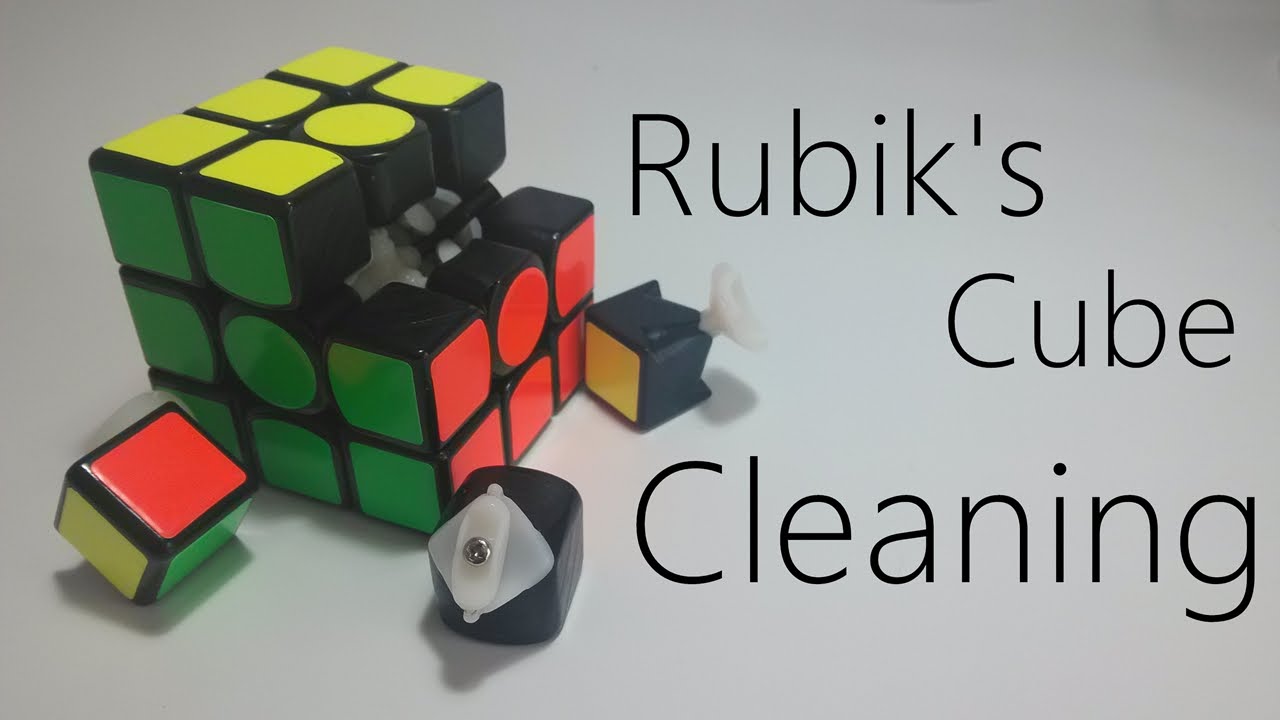
The most critical phase of any rubiks cube maintenance and cleaning routine is the disassembly. Rushing this step can lead to broken tabs or lost components. Always work on a clean, flat surface with good lighting. If you are solving in a busy café or a shared workspace like a library study area in Boston or Berlin, ensure you have a quiet corner to prevent distractions and accidents.
Start by removing the center caps. On almost all modern speed cubes, these are held in place magnetically or by friction. Gently pry them off using your fingernail or a plastic spudger. Underneath, you will find the adjustment screw for tension. Take note of the current setting; if you plan to reassemble quickly, you can mark the screw position with a pen, though this is rarely necessary if you are careful.
Next, rotate a single layer exactly 45 degrees. This angle exposes the gap between the edge piece and the core. Insert your fingernail or a plastic tool gently into this gap and pull the edge piece outward. It should pop out with minimal resistance. Repeat this for all four edges of the chosen face. Once the edges are removed, the face should lift off easily, revealing the internal mechanism, springs, and core.
Be gentle when handling the inner core. Avoid forcing pieces; if something feels stuck, re-check the angle. Some advanced puzzles may require removing additional pieces depending on their size (e.g., 4×4 vs. 3×3), but the principle remains the same: expose the tracks without applying excessive force. Keep all removed pieces organized in your tray. This methodical approach ensures that you can reassemble the cube later with confidence, knowing every component is accounted for and ready for cleaning.
Deep Cleaning Techniques: Removing the Black Sludge
Once your cube is apart, the real work begins. The interior of a neglected cube often contains a mixture of dust, dead skin cells, and oxidized grease, commonly referred to as "black sludge." This residue is the primary culprit behind sticky turns and increased friction.
Begin by wiping down the external plastic pieces with a dry microfiber cloth. For stickers, avoid soaking them in water, as this can cause the adhesive to loosen or the sticker paper to bubble. However, if you have particularly grimy stickers, a slightly damp cloth with a drop of mild soap can be used, followed immediately by a dry wipe.
For the internal tracks and the core, use your dry toothbrush. Scrub vigorously along the grooves where the pieces slide. You will likely see dark particles coming off; this is good! It means you are removing the buildup. Pay special attention to the spring mechanism and the screw threads. If the dirt is caked on, you can use a cotton swab dipped in a tiny amount of isopropyl alcohol to dissolve the grime, but ensure the swab is only barely damp, not wet.
It is crucial to let all components air dry completely before proceeding. Even a microscopic amount of moisture trapped inside the core can attract more dust or cause metal springs to rust over time. Leave the pieces on a paper towel in a well-ventilated area for at least 30 minutes. In humid climates, such as Miami or Singapore, consider extending this drying time to ensure total evaporation of any residual moisture.
Mastering Tensioning: Finding the Sweet Spot
One of the most misunderstood aspects of cube maintenance is tensioning. Many beginners think a cube must be either perfectly loose for speed or perfectly tight for stability. The truth lies in the "Sweet Spot"—a balance that allows for fast turning without the risk of pieces flying out ("popping").
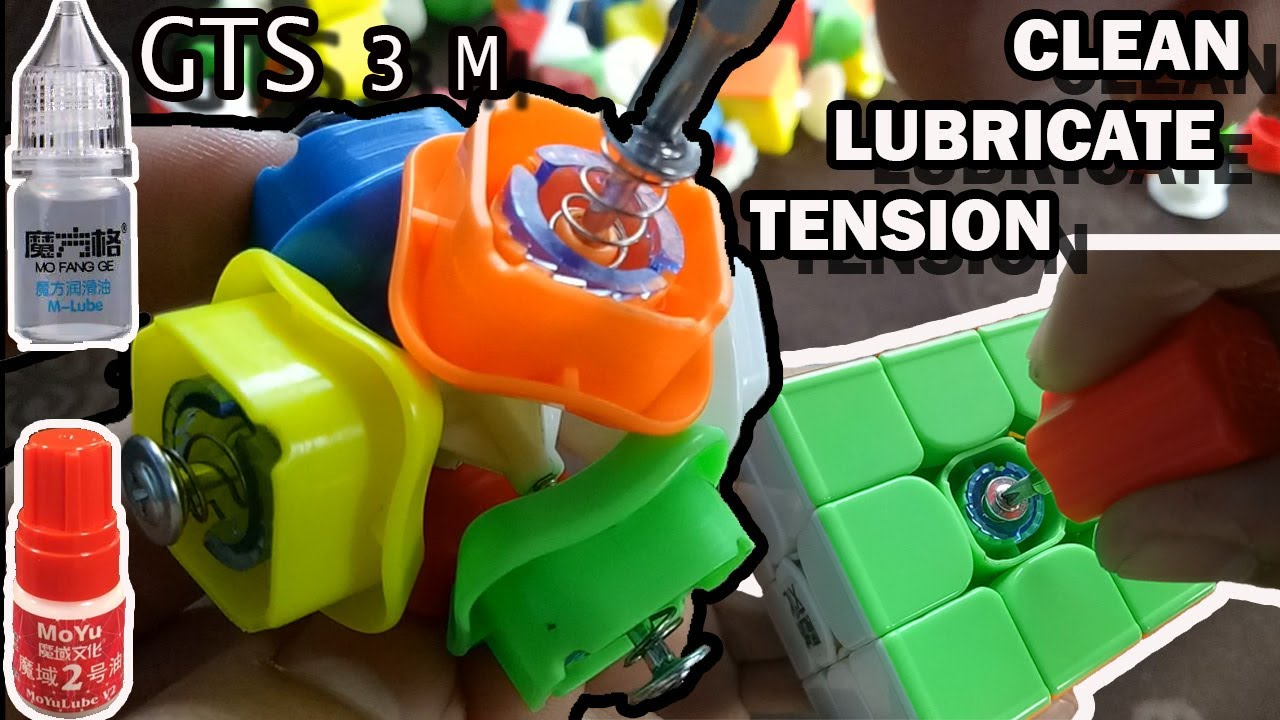
Most modern cubes feature a screw system located under the center caps. Turning the screw clockwise increases tension (making the cube tighter), while counter-clockwise decreases it (making it looser). How do you know when you've hit the sweet spot? The golden rule is corner cutting.
When you turn a layer, the adjacent layers should be able to rotate slightly past the 90-degree line (typically around 45 degrees of overlap) before hitting physical stops. This overlap prevents the cube from popping during aggressive algorithms. However, if the tension is too tight, the cube will feel stiff, require excessive finger strength to turn, and may cause wrist strain during long solving sessions. Conversely, if it is too loose, the layers will wobble, making precise control difficult and increasing the likelihood of accidental pop-outs.
Adjustment should be done in quarter-turn increments. After each adjustment, scramble the cube and test the turning speed. Listen to the sound; a properly tensioned cube makes a crisp, solid "thock" sound. If it sounds hollow or rattly, it's too loose. If it sounds muffled or requires significant pressure, it's too tight. Remember, tension preferences can vary based on your playing style and even the weather; humidity can affect plastic expansion, so minor tweaks throughout the year are normal.
The Science of Lubrication: Choosing and Applying Lube
After cleaning and tensioning, your cube will likely feel dry and scratchy. This is where lubrication comes in. Lubricant serves two purposes: it reduces friction between moving parts and protects the plastic from wear. Using the wrong lube can be disastrous; too little, and the cube remains slow; too much, and it becomes a sticky mess.
There are generally two types of lube you need for a complete maintenance routine:
- Core Lube (Heavy Viscosity): Applied to the screw, spring, and central axis. This thick lube (often labeled as Weight 5 or similar) keeps the core smooth, prevents squeaking, and cushions the impact of pieces slamming together. Apply just one small drop to the screw head and the spring. Over-application here will make the entire cube feel mushy and unresponsive.
- Piece Lube (Medium/Light Viscosity): Applied directly to the internal tracks of the plastic pieces. This is what gives the cube its buttery smoothness. Common brands include Molten Blue/Green, Cosmic Lube, or Silky. Apply 2 drops per track on the edge, corner, and center pieces. Be careful not to get lube on the outside stickers.
The application process requires precision. Hold the piece over a paper towel while applying the lube to catch any drips. Once applied, reassemble the cube partially and scramble it manually for about 5 minutes. This "break-in" period helps distribute the lube evenly across all contact points. Do not attempt to solve competitively immediately after lubing; the cube needs time to settle.
Different environments may require different lube viscosities. If you live in a cold climate, a slightly thicker lube might be necessary to prevent the cube from freezing up. In hot, humid environments, a lighter lube may evaporate faster or become too runny, requiring more frequent maintenance. Observing how your cube behaves in your specific local climate is key to optimizing your routine.
Troubleshooting Common Post-Clean Issues
Even with a perfect cleaning and lubing routine, you might encounter issues. Understanding how to diagnose and fix these problems quickly is part of being a savvy cuber.
- Squeaking Sounds: If your cube squeaks like a rusty door after cleaning, you likely didn't apply enough core lube or the existing lube has dried out. Add a tiny drop of heavy silicone grease to the screw and spring mechanism.
- Sticky or Gummy Feel: This is almost always a sign of over-lubrication. The excess lube has pooled in certain areas, creating drag. Take the cube apart, wipe away the excess lube with a paper towel, and reassemble. You may need to reduce the amount of piece lube next time.
- Sandpaper Texture: If the cube still feels gritty despite cleaning, you may have missed some debris in the deep tracks. Use a compressed air canister (held upright) to blow out loose dust, then repeat the toothbrush scrubbing technique.
- Loose Pieces: If pieces feel wobbly after reassembly, check your tension settings. They may have been disturbed during the cleaning process. Tighten the center screws slightly until the desired corner-cutting ability returns.
Regular troubleshooting prevents minor annoyances from becoming major frustrations. By addressing these issues immediately, you maintain the integrity of your solving experience and extend the functional life of your puzzle.
Establishing a Sustainable Maintenance Schedule
Consistency is the hallmark of a dedicated cuber. You don't need to dismantle your cube every day, but ignoring it for months is a recipe for poor performance. Here is a recommended schedule based on usage frequency:
- Daily/Weekly (Light Maintenance): Wipe down the exterior with a microfiber cloth to remove surface oils and dust. Check for any new squeaks or changes in turning feel. If you solve daily, a quick visual inspection is sufficient.
- Monthly (Deep Clean): Perform a full disassembly, clean the tracks with a brush, and inspect the tension. This is ideal for cubers who practice several times a week. In dusty environments or during summer months when sweat production increases, move this to every two weeks.
- Pre-Competition (Refresh): One week before a major event or important solve, perform a thorough clean and lube. Ensure the cube is broken in for at least 24 hours beforehand to allow the lube to fully settle.
- Annual (Full Overhaul): Once a year, consider replacing old lubricants entirely and checking for worn-out springs or cracked pieces. This ensures your cube is in peak condition for the coming year.
Adopting this routine transforms cube maintenance from a chore into a satisfying ritual. It connects you more deeply with your hobby, reminding you that care and attention yield tangible rewards in the form of speed and smoothness. Whether you are practicing in your bedroom in Toronto or competing on the world stage, a well-maintained cube is your trusted partner.
Advanced Care: Specialized Scenarios and Long-Term Preservation
While the standard maintenance routine covers 95% of what a typical cuber needs, there are specialized scenarios that require additional attention. For instance, if you frequently solve in extreme environments—such as high-altitude competitions in Denver or tropical humidity in Manaus—the standard maintenance schedule may need to be adjusted. In high-altitude settings, lower air pressure can affect the viscosity of lubricants, causing them to thin out faster than usual. Conversely, in hyper-humid climates, moisture absorption by plastic components can lead to swelling, which increases friction and makes turning difficult. In these cases, consider using hydrophobic coatings specifically designed for electronics and plastics to create a barrier against moisture ingress. These coatings are available in small bottles and can be applied sparingly to the external surfaces of your pieces after cleaning, provided they do not interfere with sticker adhesion.
Another advanced consideration involves the longevity of stickers. While many modern speed cubes come with high-quality PVD (Physical Vapor Deposition) stickers that are virtually indestructible, older models or budget-friendly puzzles often use traditional vinyl decals. Over time, these stickers can peel, fade, or accumulate grime in the crevices. If you notice stickers beginning to lift, do not attempt to glue them back down with superglue, as this will ruin the finish and make future disassembly nearly impossible. Instead, gently warm the edges with a hairdryer on a low setting to reactivate the adhesive, then press firmly back into place. For severely damaged stickers, the best long-term solution is to replace them entirely with a fresh set compatible with your specific cube model. Many manufacturers now sell replacement sticker kits, ensuring your cube looks as pristine as it performs.
Furthermore, storage plays a pivotal role in maintenance. Leaving a cube exposed to direct sunlight or extreme temperatures can warp the plastic internals, leading to permanent misalignment. UV radiation also degrades the polymers used in modern speed cubes, making them brittle over time. Always store your puzzle in a cool, dry place, ideally inside a dedicated cube case or a sealed container when not in use. This protects not only the cube itself but also prevents it from collecting dust in your bag or on your desk. For competitive cubers who travel frequently, investing in a high-quality hard-shell case is non-negotiable. These cases often feature foam inserts that cradle the cube securely, preventing accidental impacts that could knock loose internal screws or crack delicate tabs.
The Psychology of a Well-Cared-For Puzzle
Beyond the mechanical benefits, there is a profound psychological component to maintaining your Rubik's Cube. In the fast-paced world of speedcubing, where milliseconds determine medal placements, the tactile feedback of the puzzle is everything. A clean, well-lubed cube provides immediate sensory confirmation that you are ready to perform. The smooth rotation allows your fingers to execute algorithms with precision, reducing the cognitive load required to manage physical resistance. This creates a positive feedback loop: good maintenance leads to better solves, which boosts confidence, which encourages more practice, further reinforcing the habit of care.
Conversely, a neglected cube can induce frustration and anxiety. When a layer catches unexpectedly during a critical moment of a solve, it breaks your rhythm and disrupts your flow state. This "catch" can feel like a personal failure, even though the root cause is simply dried-out lubricant or accumulated dust. By committing to a rigorous maintenance routine, you eliminate these external variables, allowing you to focus solely on your mental game. You enter a state of flow more easily because your hardware is no longer working against you. This distinction is often what separates amateur solvers from those who consistently break records. It is the difference between fighting your equipment and dancing with it.
Moreover, the act of maintenance itself can be meditative. The process of taking apart a complex mechanism, scrubbing away years of grime, and reassembling it with perfect tension requires patience and focus. For many cubers, this ritual serves as a form of mindfulness, a break from the intensity of solving to appreciate the engineering marvel before them. It fosters a deeper connection to the hobby, transforming the cube from a mere toy into a cherished piece of technology that deserves respect. In 2026, where digital distractions are constant, spending fifteen minutes carefully cleaning and tuning your cube can be a grounding experience, reconnecting you with the tangible satisfaction of physical problem-solving.
Environmental Factors and Seasonal Adjustments
Climate change and varying local weather patterns have made environmental awareness crucial for cube maintenance. As global temperatures rise and humidity levels fluctuate, the behavior of plastic polymers changes. Polyethylene terephthalate (PET), commonly used in cube construction, expands slightly with heat and contracts with cold. In the summer months, a cube left in a hot car or near a window may become looser than usual, potentially leading to pop-outs if the tension was already marginal. In winter, the same cube might feel stiff and sluggish due to contraction and thicker lubricant viscosity.
To adapt to these seasonal shifts, adopt a flexible maintenance approach. During spring and summer, increase the frequency of tension checks and consider switching to a slightly lighter grade of lube. If you live in a region with distinct seasons, perform a full overhaul at the turn of each season. This proactive measure ensures that your cube remains optimized regardless of external conditions. Additionally, be mindful of indoor heating and cooling systems. Central air conditioning can dry out the air significantly, while humidifiers can add excess moisture. Monitoring your indoor relative humidity (aiming for roughly 40-60%) can help you decide whether extra drying steps are needed after washing or if additional desiccant packs should be stored with your cube.
Water damage is another risk factor, particularly for those who solve while drinking beverages nearby. While modern cubes are somewhat water-resistant, prolonged exposure to liquids can seep into the core and corrode metal springs or loosen adhesive bonds. If you accidentally spill liquid on your cube, do not try to dry it with a hairdryer on high heat, as this can warp the plastic. Instead, disassemble immediately, soak the metal parts in isopropyl alcohol to prevent rust, and air dry all components thoroughly before reassembly. Prevention is always superior to cure; keeping drinks away from your solving station is a simple rule that saves countless hours of troubleshooting.
Future-Proofing Your Cube: Upgrades and Modifications
As the cubing community evolves, so do the possibilities for enhancing your cube's performance through maintenance and modification. In 2026, the line between maintenance and customization is increasingly blurred. Many cubers now opt to upgrade their internal springs to higher-quality stainless steel variants that resist corrosion and maintain tension longer than the original factory springs. Others install magnetic stabilization kits that not only improve alignment but also reduce wear on the plastic tracks by minimizing impact force. These upgrades require careful disassembly, making them ideal candidates for your monthly deep-cleaning sessions.
When performing these upgrades, treat the opportunity as a chance to inspect every component for wear and tear. Check the springs for signs of fatigue or deformation; if they look compressed or uneven, replace them. Inspect the core for any micro-cracks that might propagate under stress. Clean the magnetic plates thoroughly, as dust accumulation can interfere with magnetic strength. By combining routine maintenance with strategic upgrades, you effectively future-proof your cube, extending its usable life well beyond the typical two-to-three-year lifespan of entry-level models. This approach maximizes your return on investment and keeps your solving experience cutting-edge without needing to purchase a completely new puzzle every year.
It is also worth noting the trend towards modular designs in newer cube releases. Some manufacturers are moving toward systems where individual components, such as the core or the spring assembly, can be swapped out independently. This modularity simplifies maintenance significantly; instead of dismantling the entire puzzle, you can isolate and service specific modules. Staying informed about these technological shifts allows you to choose cubes that align with your maintenance preferences. If you enjoy the hands-on aspect of tinkering, a modular cube offers endless possibilities for experimentation and optimization. If you prefer a "set it and forget it" approach, stick to brands known for robust, sealed mechanisms that require minimal intervention.
Final Thoughts: The Eternal Joy of Solving
In conclusion, the journey of mastering the Rubik's Cube extends far beyond memorizing algorithms and optimizing finger tricks. True mastery encompasses the stewardship of your tool. A rubiks cube maintenance and cleaning routine is not merely a chore; it is an essential discipline that honors the complexity of the puzzle and the dedication of the solver. By dedicating time to clean, lubricate, and tune your cube, you ensure that every twist feels rewarding, every solve is fluid, and every record attempt is supported by reliable hardware.
The habits you build today will serve you for years to come. Whether you are chasing a sub-10 second average or simply enjoying a quiet afternoon solving in your favorite armchair, a well-maintained cube enhances the experience exponentially. It eliminates frustration, prevents costly repairs, and preserves the aesthetic beauty of your collection. Remember, the cube is a testament to human ingenuity and engineering precision; treating it with care is the least we can do to keep that innovation alive. So, grab your microfiber cloth, your brush, and your favorite lube, and give your puzzle the love it deserves. Your future self, celebrating a new Personal Best, will thank you.
Frequently Asked Questions (FAQ)
Q: Can I use household cooking oil or WD-40 on my Rubik's Cube?
A: Absolutely not. Household oils oxidize quickly, becoming sticky and gummy within days, which will ruin your cube's turning quality. WD-40 is a solvent and degreaser, not a lubricant; it will strip away existing lubrication and leave behind residues that attract dust. Always use silicone-based lubes specifically formulated for twisty puzzles, such as those from Cosmic Lube, Molten, or Lubrigrade.
Q: How often should I completely disassemble my cube?
A: For casual solvers, a full disassembly every 3 to 6 months is sufficient. If you solve daily or compete regularly, aim for a monthly deep clean. However, listen to your cube; if it starts sounding gritty or catching during turns, it's time to take it apart regardless of the schedule. Regular light maintenance (wiping exterior, checking tension) should be done weekly.
Q: My cube pops out pieces frequently after cleaning. What should I do?
A: This usually indicates that the tension was altered during reassembly or that the pieces were not seated correctly. Check the center screw tension and adjust it incrementally until you achieve the right balance of corner-cutting and stability. Ensure that all edge and corner pieces are snapped back into place firmly but gently. If the issue persists, check if the internal spring is bent or if a piece has a cracked tab.
Q: Is it safe to wash stickerless cubes in water?
A: While stickerless cubes are more water-resistant than stickered ones, submerging them is generally not recommended. Water can seep into the core and damage the magnetism or cause metal springs to rust. If you need to clean a stickerless cube, wipe it with a damp (not wet) cloth. If you must wash it, do so quickly, dry it immediately, and allow it to air dry completely for at least 24 hours before attempting to turn it.
Conclusion: Elevate Your Cubing Experience
The path to becoming a proficient speedcuber is paved with both mental agility and physical preparedness. By integrating a thorough rubiks cube maintenance and cleaning routine into your lifestyle, you elevate your entire cubing experience. You transform your puzzle from a static object into a dynamic extension of your own dexterity. In the competitive landscape of 2026, where margins are slim and equipment standards are high, neglect is not an option. Embrace the routine, master the tools, and watch as your solves become smoother, faster, and more satisfying. Your cube is your partner in this journey; treat it with the respect it deserves, and it will continue to challenge and inspire you for years to come.