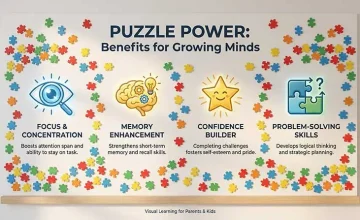
In the bustling educational hubs of cities like Austin, Toronto, and London, a quiet revolution is taking place in classrooms and living rooms alike. It isn't driven by expensive tablets or virtual reality headsets, but by a humble, plastic puzzle that has captivated generations: the Rubik's Cube. As we navigate through 2026, the conversation surrounding this iconic toy has shifted dramatically. No longer viewed merely as a nostalgic fad or a niche competitive sport, speedcubing is now recognized by educators, occupational therapists, and neuroscientists as a potent tool for human development. Specifically, the impact of speedcubing on fine motor skills development has emerged as a critical area of study, revealing profound benefits that extend far beyond the puzzle itself.
For parents in suburban neighborhoods and teachers in urban centers, understanding this connection is vital. The ability to manipulate small objects with precision—the hallmark of fine motor skills—is a predictor of academic success, from handwriting legibility to surgical precision later in life. Speedcubing, with its demand for lightning-fast finger tricks, precise layer turns, and complex algorithmic execution, serves as a rigorous training ground for these essential physical capabilities. This article delves deep into the mechanics of how twisting a cube transforms neural pathways and muscle memory, offering a comprehensive guide for communities looking to integrate this powerful activity into their developmental strategies.
The Neuroscience Behind the Twist: How Speedcubing Rewires the Brain and Body
To truly appreciate the impact of speedcubing on fine motor skills development, one must first understand the intricate dance between the brain and the hands. Speedcubing is not a passive activity; it is an active, high-intensity workout for the neuromuscular system. When a solver engages with a 3×3 cube, they are not just moving plastic; they are engaging in a complex loop of visual perception, cognitive processing, and motor execution.
The Feedback Loop of Visual-Motor Integration
At the heart of speedcubing lies visual-motor integration, the ability to coordinate what the eyes see with what the hands do. In 2026, research highlights that speedcubers develop an exceptional level of this skill. As a cuber inspects the scrambled state of the cube, their brain instantly recognizes patterns. This visual data is transmitted to the motor cortex, which then sends rapid-fire signals to the fingers to execute specific algorithms.
This process happens in milliseconds. For a top-tier speedcuber, the time between recognizing a pattern and initiating the finger movement is negligible. This constant, repetitive practice strengthens the neural pathways responsible for hand-eye coordination. Unlike static exercises, speedcubing requires dynamic adaptation. The cube changes state with every turn, forcing the brain to continuously update its motor commands. This adaptability is crucial for developing fine motor skills that are robust and flexible, capable of handling unpredictable physical tasks in real-world scenarios.
Muscle Memory and the Development of Dexterity
One of the most significant outcomes of regular speedcubing is the enhancement of muscle memory. When a solver learns an algorithm—a specific sequence of moves to solve a part of the cube—they repeat it hundreds, sometimes thousands, of times. Through this repetition, the movements transition from conscious, deliberate actions to automatic, fluid motions.
This phenomenon is a goldmine for fine motor development. The fingers learn to move independently and in precise coordination with one another. Techniques such as "finger tricks," where a cuber uses a single finger to flick a layer rather than rotating the whole wrist, require an incredible degree of manual dexterity. Over time, this leads to:
- Increased finger independence and strength.
- Enhanced proprioception (awareness of hand position in space).
- Faster reaction times in manual tasks.
These physical adaptations are not limited to the cube. They translate directly to other activities requiring similar precision, such as playing musical instruments, typing, or performing delicate craftwork. The tactile nature of modern magnetic cubes, which provide satisfying feedback with every turn, further amplifies this sensory-motor learning, making the practice even more effective for honing these skills.
Fine Motor Skills Defined: Why They Matter in the Modern World
Before exploring the specific mechanisms of speedcubing, it is essential to define what fine motor skills are and why they are so critical in the context of 2026's educational and professional landscape. Fine motor skills involve the coordination of small muscle movements in the fingers and hands, usually in conjunction with the eyes. These skills are foundational to a child's overall development and remain important throughout adulthood.
The Academic Connection
There is a well-documented correlation between fine motor proficiency and academic achievement. Studies suggest that children with strong fine motor skills often perform better in reading, writing, and mathematics. The act of writing, for instance, requires precise control over pencil grip, pressure, and letter formation. A child who struggles with fine motor control may find handwriting exhausting and illegible, which can hinder their ability to express ideas and keep up with classroom notes.
Speedcubing offers a fun, low-pressure alternative to traditional handwriting drills. By engaging in speedcubing, children strengthen the same muscle groups and neural pathways used for writing, but within a context that feels like play rather than work. This "stealth learning" approach is particularly effective for maintaining engagement and reducing the anxiety often associated with remedial motor skill exercises.
Beyond the Classroom: Life Skills and Future Careers
The importance of fine motor skills extends well beyond the school years. In the adult world, these skills are vital for a myriad of professions. Surgeons rely on steady hands and precise finger movements for life-saving procedures. Engineers and architects use dexterity for drafting and model building. Even in the digital age, where voice recognition is common, the need for precise interaction with touchscreens, keyboards, and specialized equipment remains paramount.
Furthermore, fine motor skills are linked to independence in daily living activities. Tasks such as buttoning shirts, tying shoelaces, using utensils, and manipulating zippers all require a high degree of manual dexterity. For individuals with developmental delays or those recovering from injuries, rebuilding these skills is often a primary goal of occupational therapy. Speedcubing, with its scalable difficulty and measurable progress, serves as an excellent therapeutic tool in these contexts, providing a clear metric for improvement that motivates patients to push their limits.
The Mechanics of Mastery: How Specific Cubing Techniques Enhance Dexterity
Not all interactions with a Rubik's Cube are created equal. The specific techniques employed in speedcubing are what drive the significant improvements in fine motor skills. As the sport has evolved leading up to 2026, the methods solvers use have become increasingly sophisticated, demanding higher levels of physical precision.
Finger Tricks: The Engine of Speed
The cornerstone of modern speedcubing is the use of finger tricks. Traditional solving methods might involve gripping the cube with the whole hand and rotating layers using the wrist. In contrast, speedcubers keep the cube relatively stationary and use individual fingers to flick the layers.
- Index Finger Flicks: Used primarily for turning the upper layer clockwise.
- Ring Finger Flicks: Used for turning the upper layer counter-clockwise.
- Thumb Pushes: Essential for turning the front and bottom layers.
Mastering these isolated movements requires a level of finger independence that is rare in the general population. Practicing these tricks repeatedly forces the small muscles in the hand to work harder and more efficiently. This isolation training is akin to a pianist practicing scales; it builds the specific strength and agility needed for complex sequences.
Look-Ahead and Continuous Motion
Another critical aspect of speedcubing is look-ahead. Advanced solvers do not stop between steps; while executing one algorithm, their eyes are already scanning the cube to plan the next set of moves. This cognitive demand forces the hands to maintain a continuous, fluid motion without hesitation.
This requirement for uninterrupted movement enhances bimanual coordination—the ability to use both hands together seamlessly. One hand often holds the cube while the other executes turns, and they must switch roles instantly and smoothly. This bilateral coordination is a key component of fine motor development, beneficial for activities ranging from sports to cooking. The rhythmic, flowing nature of a fast solve creates a state of "flow" where motor execution becomes almost instinctual, reinforcing efficient movement patterns.
The Role of Hardware Evolution
The hardware itself plays a significant role in this developmental process. The cubes available in 2026 are marvels of engineering, featuring advanced magnetic systems and adjustable tension mechanisms. These features allow for incredibly smooth and fast turning, but they also demand greater control. A loose cube might forgive a sloppy turn, but a high-performance magnetic cube provides immediate tactile feedback if a move is imprecise.
This feedback loop encourages solvers to refine their technique constantly. To achieve sub-10-second solves, a cuber must eliminate any unnecessary movement or friction. This pursuit of mechanical perfection drives the refinement of fine motor skills, pushing the boundaries of what the human hand can achieve in terms of speed and accuracy.
Age-Specific Benefits: From Toddlers to Seniors
The impact of speedcubing on fine motor skills development is universal, transcending age barriers. However, the specific benefits and applications vary across different life stages, making it a versatile tool for communities worldwide.
Early Childhood: Laying the Foundation
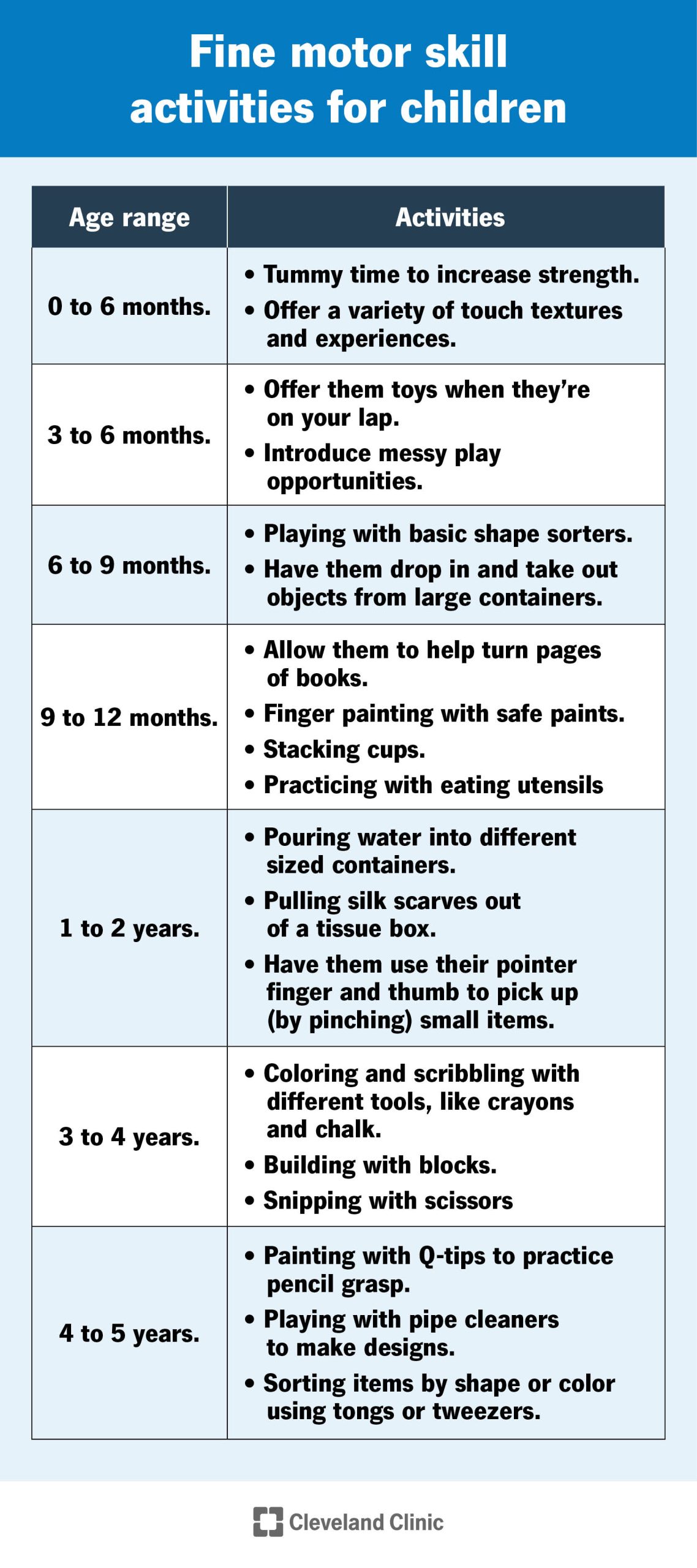
For young children, particularly those in preschool and early elementary school, speedcubing acts as a playful introduction to complex motor tasks. At this stage, the focus is less on speed and more on the manipulation of the object.
- Grasping and Manipulation: Handling the cube helps develop the pincer grasp and overall hand strength.
- Bilateral Coordination: Learning to hold the cube with one hand and turn with the other fosters early bilateral skills.
- Patience and Persistence: The challenge of aligning colors teaches children to stick with a difficult physical task until completion.
Introducing simple 2×2 cubes or large-format beginner cubes can be an excellent way to engage toddlers in activities that promote fine motor proficiencies without the frustration of overly complex puzzles. Parents in family-oriented communities often report that cubing helps their children focus better during other fine motor activities like coloring or building with blocks.
School-Age Children and Adolescents: Refining Precision
As children grow, the complexity of the puzzles they tackle increases, mirroring their developing cognitive and physical abilities. For school-aged children, speedcubing becomes a rigorous exercise in dexterity and speed.
- Handwriting Improvement: The finger strength and control gained from cubing often translate to neater, faster handwriting.
- Instrumental Skills: Many young musicians find that the finger independence developed through cubing aids in learning instruments like the piano, guitar, or violin.
- Confidence Building: Achieving personal bests in solving times provides a tangible sense of accomplishment, boosting self-esteem and encouraging further skill acquisition.
In schools across diverse regions, from tech-forward cities to rural communities, cubing clubs are becoming popular extracurricular activities. These clubs provide a structured environment for children to practice and refine their fine motor skills while socializing with peers who share similar interests.
Adults and Seniors: Maintenance and Cognitive-Motor Health
For adults and seniors, speedcubing serves as a vital tool for maintaining cognitive-motor health. As we age, fine motor skills can naturally decline, affecting daily tasks and quality of life. Regular engagement with a Rubik's Cube can help mitigate this decline.
- Arthritis Management: Gentle, repetitive finger movements can help keep joints flexible and reduce stiffness, provided the activity is done within comfort limits.
- Neuroplasticity: The combination of mental challenge and physical execution promotes neuroplasticity, helping to keep the brain sharp and the mind-body connection strong.
- Stress Relief: The meditative quality of focusing on the cube and the rhythmic motion of turning can reduce stress, which in turn relaxes muscle tension and improves motor control.
Senior centers and community groups are increasingly incorporating cubing into their wellness programs, recognizing its dual benefit for mental acuity and physical dexterity. It offers a low-impact, high-reward activity that keeps the hands busy and the mind engaged.
Integrating Speedcubing into Educational and Therapeutic Frameworks
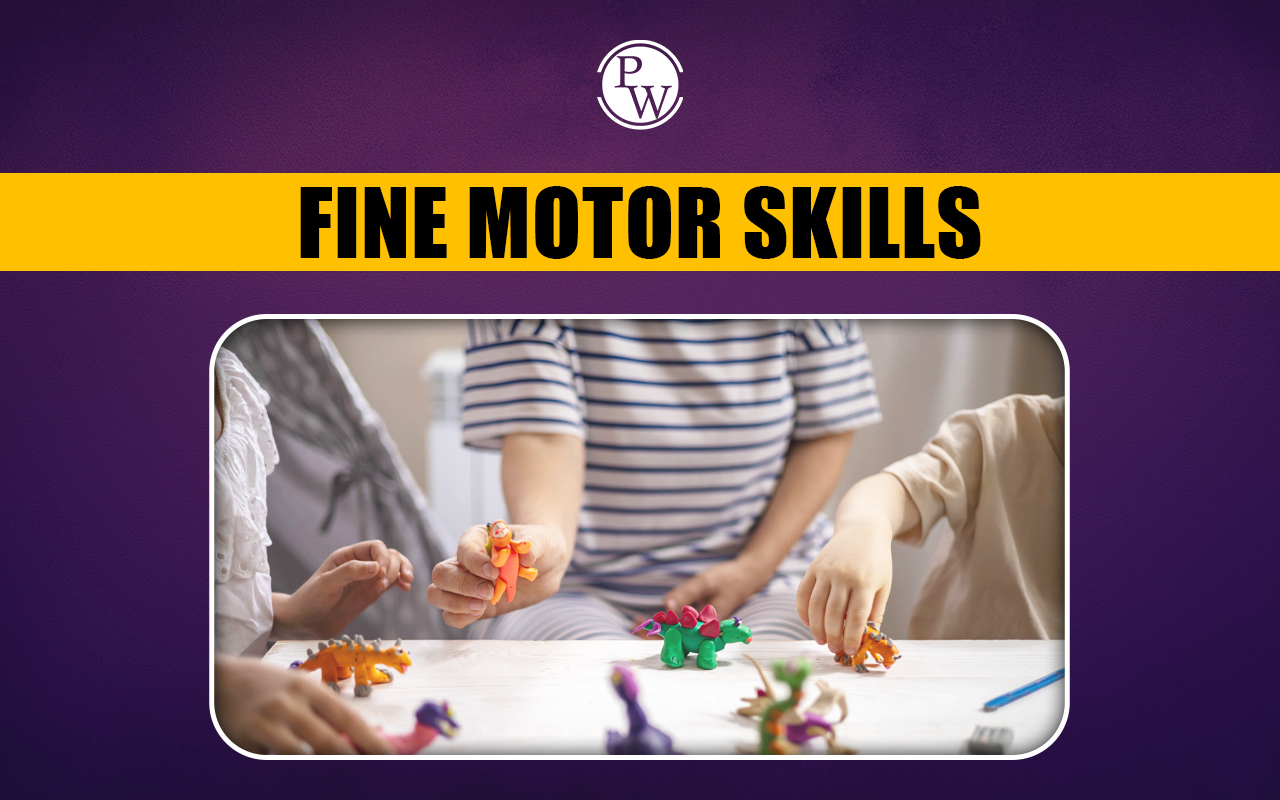
Recognizing the profound impact of speedcubing on fine motor skills development, educators and therapists are beginning to integrate this activity into formal frameworks. This shift represents a move towards more holistic, engaging, and effective methods of skill building.
In the Classroom: A New STEM Tool
Schools are discovering that the Rubik's Cube is more than just a toy; it is a powerful STEM (Science, Technology, Engineering, Mathematics) tool. Teachers are using cubing to teach concepts of algorithms, geometry, and logic, all while simultaneously addressing fine motor development.
- Curriculum Integration: Lessons can be designed where students learn to solve the cube as part of a math unit on permutations and combinations.
- Motor Skill Breaks: Short cubing sessions can serve as active breaks that recharge students' brains while exercising their hands, improving focus for subsequent lessons.
- Inclusive Education: Because cubing can be adapted to various ability levels, it is an inclusive activity that allows students with different motor skill baselines to participate and progress at their own pace.
Local school districts are reporting increased engagement and improved fine motor outcomes in classrooms that have adopted cubing programs. The competitive yet collaborative nature of the activity fosters a positive learning environment where students support each other's growth.
Therapeutic Applications: Occupational Therapy and Beyond
In the realm of occupational therapy, speedcubing is gaining traction as a versatile intervention tool. Therapists are utilizing the cube to address specific fine motor deficits in a motivating context.
- Goal Setting: The measurable nature of solving times allows therapists and clients to set clear, achievable goals, tracking progress objectively.
- Customization: Therapists can modify the cube (e.g., adding stickers for texture, adjusting tension for resistance) to target specific therapeutic needs.
- Motivation: The inherent fun of the puzzle increases compliance and motivation, which are often challenges in traditional therapy settings.
Case studies have shown that patients who incorporate speedcubing into their therapy routines often show faster improvements in dexterity and hand-eye coordination compared to those using conventional exercises alone. The "gamification" of motor skill practice makes the hard work feel like play, leading to better long-term adherence and results.
Frequently Asked Questions About Speedcubing and Motor Skills
As interest in this field grows, many parents, educators, and enthusiasts have questions about the practicalities and benefits of speedcubing. Here are some of the most common inquiries addressed with expert insights.
1. At what age should a child start speedcubing to benefit fine motor skills?
Children can begin interacting with cubes as early as toddlerhood, starting with larger, simpler 2×2 cubes. However, structured speedcubing training aimed at refining fine motor skills is typically most effective around ages 6 to 8, when children have developed sufficient hand strength and cognitive ability to understand basic algorithms. The key is to start with age-appropriate puzzles and focus on enjoyment rather than speed.
2. Can speedcubing help children with dysgraphia or handwriting difficulties?
Yes, absolutely. Dysgraphia often involves difficulties with fine motor control and hand strength. The repetitive, precise finger movements required in speedcubing help strengthen the intrinsic muscles of the hand and improve finger independence. Many occupational therapists recommend cubing as a supplementary activity to traditional handwriting therapy because it builds the necessary physical foundation in a fun, non-threatening way.
3. Is there a risk of injury or strain from speedcubing?
Like any repetitive physical activity, there is a potential risk of strain if proper technique is not used or if sessions are excessively long without breaks. However, speedcubing is generally a low-impact activity. To prevent issues like tendonitis, it is important to practice good ergonomics, warm up hands before intense sessions, and take regular breaks. Using high-quality, smooth-turning cubes also reduces the physical effort required, minimizing strain.
4. How much time per day is needed to see improvements in fine motor skills?
Consistency is more important than duration. Practicing for 15 to 20 minutes a day can yield noticeable improvements in dexterity and hand-eye coordination within a few weeks. The goal is regular engagement that challenges the hands without causing fatigue. Over time, as skills improve, the duration and intensity of practice can be increased.
5. Do I need an expensive cube to get these benefits?
While high-end magnetic cubes offer a superior experience for competitive speedcubing, they are not strictly necessary for developing fine motor skills. A standard, decent-quality cube that turns smoothly is sufficient to provide the necessary resistance and feedback for muscle training. The benefits come from the movement and practice, not the price tag of the puzzle.
Conclusion: A Simple Cube, A Complex Benefit
As we look toward the future of education and personal development in 2026, the impact of speedcubing on fine motor skills development stands out as a testament to the power of simple, focused activities. What was once dismissed as a mere pastime has revealed itself to be a sophisticated tool for enhancing human capability. From the tiny fingers of a preschooler grasping their first cube to the agile hands of a senior maintaining their dexterity, the Rubik's Cube offers a unique pathway to physical and cognitive growth.
The synergy between the mind and the hands, forged through the repetitive, precise, and challenging nature of speedcubing, creates lasting benefits that ripple out into every aspect of life. Improved handwriting, better musical ability, enhanced surgical precision, and greater independence in daily tasks are just a few of the real-world outcomes of this engaging hobby. For communities, schools, and families, embracing speedcubing means investing in a resource that is accessible, affordable, and profoundly effective.
Whether you are a parent looking to support your child's development, a teacher seeking innovative classroom tools, or an individual aiming to keep your mind and body sharp, the solution might just be a twist away. By integrating speedcubing into our daily lives, we unlock a world of potential, proving that sometimes the smallest movements can lead to the biggest changes. The cube is no longer just a puzzle to be solved; it is a key to unlocking human potential.
References
- Cubeit — The Impact of Speedcubing on Cognitive Development, 2025
- SpeedCubeShop — Benefits of Speedcubing on the Human Mind, 2024
- MDPI — Speedcubing as a Tool for Sustainable Social Development: Sport and Education, 2025
- Facts And Minds — Speedcubing Benefits: Memory, Dexterity, Problem-Solving, 2025
- DoveMed — Health Benefits of Speedcubing, 2023
- Cubelelo — Why Speedcubing is Beneficial to the Mind as well as the Body, 2022
- ResearchGate — Case Study on Fine Motor Skills Development in Early Childhood, 2024
- Journal of Pediatric Psychology — Associations between Gross and Fine Motor Skills and Academic Achievement, 2025