Solving a Rubik's Cube shouldn't feel like wrestling with a stiff mechanical beast. Yet, for many speedcubers and enthusiasts across the Pacific Northwest, from the rainy streets of Seattle to the bustling tech hubs of Portland, a sticky or sluggish cube can be the difference between a personal best and a frustrating dead heat. In 2026, the world of twisty puzzles has evolved. We no longer just buy a cube and hope for the best; we treat our cubes as precision instruments that require regular care, tuning, and maintenance to reach their full potential. Whether you are a casual solver trying to beat your high score or a competitive racer preparing for the next World Championship event, understanding Rubik's cube maintenance tips to keep it turning smooth is non-negotiable.
The friction inside your cube is caused by three main enemies: dust, skin oils, and degraded lubricant. Over time, these elements combine to create a gunk that slows down your turns, increases solving time, and can even damage the internal plastic mechanisms. However, the good news is that restoring a cube to butter-smooth performance is entirely within your reach. With the right tools and a few simple steps, you can transform a slow, noisy puzzle into a responsive machine that feels like an extension of your own fingers. This comprehensive guide covers everything from daily cleaning routines to advanced disassembly techniques, ensuring your cube performs at peak efficiency year-round.
Why Regular Maintenance Matters for Speed and Longevity
Before diving into the "how-to," it is crucial to understand the "why." In the competitive cubing community of 2026, milliseconds matter. A well-maintained cube turns faster, returns to center more predictably, and allows for smoother finger tricks. Conversely, a neglected cube introduces variables that hinder performance. According to industry experts and leading manufacturers like GAN and MoYu, the average solve time for a top-tier competitor is heavily influenced by the quality of their equipment.
Dust accumulation is perhaps the most silent killer of cube performance. Every time you turn a layer, microscopic particles of dust settle into the gap between the core and the plastic pieces. Combined with the natural oils from your skin, this creates an abrasive paste that increases friction significantly. This isn't just about speed; it's about consistency. A cube that catches or sticks randomly can ruin a solve during a critical algorithm execution. Furthermore, ignoring maintenance leads to premature wear. Plastic components under constant stress without proper lubrication will eventually crack, chip, or deform, shortening the lifespan of your puzzle.
Regular maintenance also extends the usability of your cube. By keeping the internal mechanism clean and lubed, you prevent the "dry-out" effect where plastics become brittle and noisy. For those of us living in diverse climates, from the humidity of the Oregon coast to the dry air of inland Washington, maintaining a stable internal environment is key. Proper care ensures that your cube remains responsive regardless of external weather conditions. It transforms a toy into a reliable tool for learning advanced methods like CFOP, Roux, or ZZ. Ultimately, the investment of five minutes to clean and lube your cube saves hours of frustration and potentially hundreds of dollars on replacements.
Essential Tools for Cube Care in 2026
To perform effective maintenance, you need the right arsenal. While you might be tempted to use household items, using the correct specialized tools ensures safety and optimal results. The modern cuber's toolkit has become more refined, focusing on precision and hygiene. Here are the essential items you should have on hand for any maintenance session:
- High-Quality Cube Lubricant: Not all lubes are created equal. In 2026, silicone-based lubricants are the gold standard. Look for viscosity ratings suited for your preferred playstyle. Lighter viscosities offer faster turning but may dry out quicker, while heavier ones provide longevity and stability. Brands like Gan Lube, YJ Nano Lube, and CubeLENS dominate the market for their consistent performance.
- Isopropyl Alcohol (70% or higher): This is vital for deep cleaning. It effectively dissolves old, gunky lubricant and removes stubborn dirt without damaging the plastic. Ensure it is pure alcohol without added moisturizers or fragrances.
- Microfiber Cloths: These are superior to paper towels or cotton rags because they don't leave lint behind. You will need one for wiping down pieces and another specifically for drying internal parts after washing.
- Soft-Bristle Toothbrush or Detail Brush: When disassembling, dirt gets trapped in crevices. A soft brush allows you to scrub away grime from the core and individual pieces without scratching the plastic.
- Tweezers: Small, precise tweezers are invaluable for handling tiny screws, springs, and corner caps during reassembly. They prevent lost parts and ensure delicate components aren't dropped.
- Plastic Opening Tool or Spudger: For cubes that are glued or tightly fitted, a non-metallic prying tool prevents cracking the plastic shells. Many modern speedcubes are designed to pop apart easily, but having a backup tool is wise.
- Small Container or Tray: Keep track of every single piece. Losing a single screw or spring can render a cube unsolvable until replaced. A small magnetic tray works wonders here.

Step-by-Step Deep Cleaning Process
Deep cleaning is the foundation of smooth turning. Even if your cube looks clean on the outside, the internals are likely clogged with years of accumulated grime. This process should be performed every 3 to 6 months, depending on how frequently you solve. Start by gathering your workspace. Choose a clean, flat surface covered with a towel or mat to catch any stray pieces. Safety first: work in a well-ventilated area, especially when using alcohol.
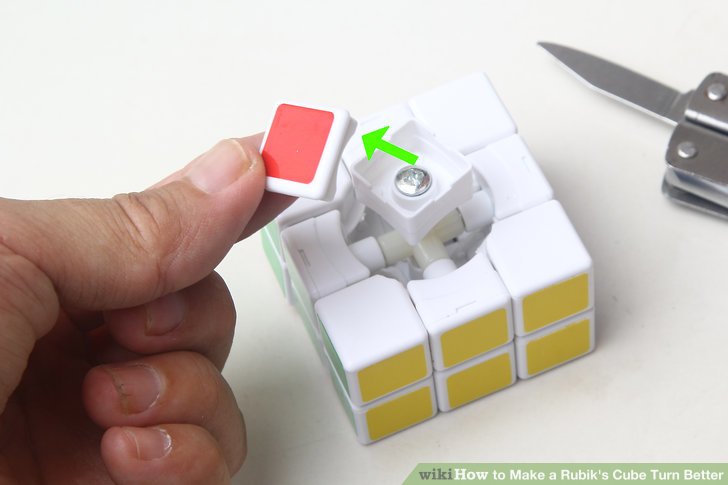
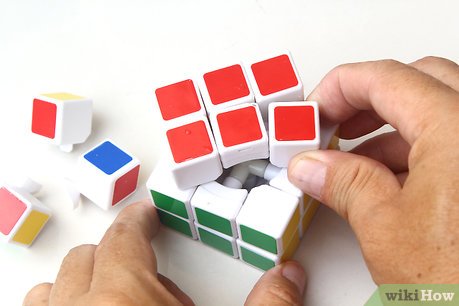
Begin by carefully disassembling the cube. Most modern speedcubes can be taken apart by pulling off the center caps and popping out the edge or corner pieces. If your cube is older or glued, use your plastic opening tool gently to pry sections apart. Never force a piece; if it resists, check if there is a screw holding it together or if you are missing a step. Once disassembled, place all pieces in your container. Separate the core, springs, and screws into smaller groups to avoid confusion later.
Next, apply isopropyl alcohol to your microfiber cloth or brush. Wipe down every single piece thoroughly. Pay special attention to the inner grooves and the contact points where pieces meet the core. For stubborn buildup, dip the soft brush in the alcohol and scrub the internal channels of the core. The goal is to remove every trace of old lube and dirt. If the dirt is particularly heavy, you can soak the plastic pieces in a bowl of alcohol for a few minutes, but avoid soaking wooden pieces or cubes with electronic components.
After scrubbing, rinse the pieces with a tiny amount of fresh alcohol or wipe them down again with a clean, alcohol-dampened cloth to ensure no residue remains. This step is critical; leftover alcohol can attract more dust or damage certain plastics over time. Now, move to the drying phase. Use a dry microfiber cloth to pat each piece dry immediately. Then, let them air dry completely on a clean surface for at least 15-20 minutes. Moisture trapped inside the mechanism can cause corrosion or mold growth, which is disastrous for long-term performance. Ensure every crevice is bone dry before proceeding.
Mastering Lubrication Techniques for Optimal Flow
Once your cube is pristine and dry, it's time to introduce the lifeblood of smooth turning: lubrication. Applying lube correctly is an art form that balances speed, control, and durability. In 2026, the consensus among experts is clear: silicone-based lubricants are superior to oil-based alternatives because they don't degrade plastic and offer better temperature stability.
Start by identifying the type of lube you need. For general maintenance, a medium-viscosity lube is often the sweet spot. It provides enough slip for fast turns without feeling "floaty" or unstable. If you live in a very cold climate, you might prefer a slightly thicker lube to prevent freezing, while hot climates may benefit from a thinner formula. Apply the lube sparingly. A little goes a long way. Focus on the contact points where two pieces rub against each other. This includes the edges, corners, and the interface between the moving layers and the fixed core.
There are two primary methods for applying lube: the "dot method" and the "layer method." The dot method involves placing a small drop directly onto the plastic contact surfaces before reassembly. This is quick and effective for beginners. The layer method involves coating the entire core or specific sections with a thin film of lube before putting the cube back together. This ensures even distribution but requires more skill to avoid over-lubing, which can cause sticking. For most solvers, the dot method combined with a brief break-in period yields the best results.
After applying the lube, reassemble the cube carefully. Place the core back in the base, insert the springs, and snap the pieces back into place. Ensure everything clicks securely. Once assembled, spend some time turning the cube. This "break-in" period helps distribute the lubricant evenly throughout the mechanism. You may notice the cube feels different initially; this is normal. As you solve, the lube spreads to fill microscopic gaps, reducing friction further. Avoid using excessive amounts of lube, as this can attract dust and create a sticky mess over time. Remember, less is often more when it comes to cube lubrication.
Tuning Tension and Adjusting Springs for Personal Style
Lubrication handles friction, but tension controls the feel and stability of your cube. Tension refers to how tight or loose the layers feel when you turn them. Every solver has a unique preference based on their style. Some prefer a loose, snappy cube for rapid layer rotations, while others need a tighter cube for precise control during complex algorithms. Understanding how to tune your tension is a hallmark of an advanced cuber.
Most speedcubes feature adjustable springs underneath the center caps. Using a small screwdriver, you can tighten or loosen these springs to alter the tension. Tightening the spring makes the cube feel stiffer and more stable, reducing the risk of misalignments but potentially slowing down turns. Loosening the spring makes the cube faster and looser, allowing for quicker moves but requiring more finger dexterity to prevent pieces from popping out. Finding the perfect balance is subjective and may change as you improve your skills.
In addition to spring tension, the core alignment plays a significant role in performance. If the core is not perfectly centered, the cube will feel uneven, with some sides turning harder than others. To check this, hold the cube and rotate each layer slowly. If you feel resistance in one direction but not the other, the core may be misaligned. Minor adjustments can sometimes fix this, but severe misalignment might require professional servicing or part replacement. Consistent tension across all axes ensures that your solves are smooth and predictable, eliminating unexpected catches that can cost precious seconds.
Another aspect of tuning is managing the spring compression. Over time, springs can lose their elasticity or become compressed due to constant use. Inspect your springs regularly. If they look flattened or damaged, consider replacing them with new ones of varying strengths. Many competitors carry a kit of spare springs to swap out mid-session if their current setup isn't working for a specific solve. Customizing your tension and spring setup allows you to tailor your cube to your exact playing conditions, whether you are competing in a humid Seattle gym or a dry Portland studio.
Advanced Maintenance Strategies for Competitive Solvers
For those pushing the boundaries of speedcubing, basic maintenance isn't enough. Competitive solvers require advanced maintenance strategies to maintain an edge. This involves frequent monitoring, specialized products, and proactive repairs. One key strategy is regular tension checks. Before every major practice session or competition, take a moment to verify that your springs are set correctly and that no layers are binding. A quick test turn can reveal issues that might otherwise go unnoticed until they cause a failed solve.
Another advanced technique is partial disassembly cleaning. Instead of waiting for a deep clean every six months, competitive cubers might perform a light clean every month. This involves taking the cube apart just enough to access the core and applying a fresh coat of lube to the most critical contact points. This keeps the internal mechanism free of debris and maintains optimal performance levels throughout the season. It also allows you to inspect the condition of your springs and screws for early signs of wear.
Specialized lubricant blends are also becoming popular among pros. Some solvers mix different viscosities of lube to create a custom formula tailored to their specific needs. Others use dry lubes for extreme environments where liquid lube might freeze or evaporate too quickly. Experimentation is encouraged, but always document what works best for your specific cube model and solving style. Keeping a log of your maintenance routine helps identify patterns and optimize your setup over time.
Finally, consider investing in professional setup services. Companies like TheCubicle and various local puzzle shops offer tuning services where experts disassemble, clean, lube, and reassemble your cube with precision tools. While this costs money, it ensures that your cube is tuned to factory specifications or customized to elite standards. For serious competitors, this level of care can mean the difference between a podium finish and sitting out the qualifiers.
Troubleshooting Common Cube Issues and Solutions
Even with meticulous maintenance, issues can arise. Knowing how to diagnose and fix common problems quickly is essential for staying on track. One frequent issue is sticking or catching. This is usually caused by dirt buildup or incorrect lube application. The solution is a thorough cleaning and re-lubrication. If the problem persists, check for bent pieces or misaligned cores. Another common issue is loose pieces that fall out during turns. This indicates insufficient tension or worn springs. Adjusting the spring tension or replacing the springs should resolve this.
Noise is another symptom to watch for. A quiet cube is generally a good sign, but some noise is normal. Excessive grinding or clicking sounds often indicate dry plastic rubbing against plastic or foreign objects trapped inside. Disassemble and clean again. If the noise is coming from the springs, they may be damaged and need replacement. Sticky centers are also problematic, especially on larger cubes like the 4×4 or 5×5. Centers can get stuck due to dirt or lack of lubrication on the central axis. Clean the center caps and apply lube specifically to the center mechanism.
Misaligned layers can cause the cube to feel "off." If a layer doesn't sit flush with the rest of the cube, it may be due to a warped piece or improper assembly. Check each layer individually for warping. Replace any damaged pieces immediately. Warped pieces not only look bad but also interfere with the turning mechanics, causing erratic behavior. Finally, pop-outs (pieces flying off) are dangerous and frustrating. Ensure all pieces are seated correctly and that the tension is appropriate for your solving speed. Practice gentle handling to minimize stress on the plastic.
Building a Sustainable Routine for Peak Performance
Maintenance shouldn't be an occasional chore; it should be an integrated part of your cubing habit. Developing a sustainable routine ensures your cube remains in top condition without consuming too much of your time. Start with daily maintenance: after every solving session, give your cube a quick wipe-down with a dry cloth to remove surface oils and sweat. This simple step prevents buildup and keeps the exterior looking fresh.
Weekly, perform a quick tension check. Spin through the layers to ensure everything feels smooth and consistent. If something feels off, make minor adjustments immediately rather than waiting for a bigger issue to develop. Monthly, conduct a light cleaning. Take the cube apart partially, wipe the core, and apply a fresh layer of lube to the most used areas. This keeps the internals clean without the hassle of a full teardown.
Quarterly or bi-annually, commit to a deep clean. This involves a complete disassembly, soaking parts in alcohol, thorough drying, and a full re-lubrication. This is also the time to inspect springs, screws, and stickers for wear and tear. Replace any damaged components proactively. By following this tiered approach, you ensure that your cube is always ready for action, whether you're practicing at home in Bellevue or competing in a regional event in Vancouver.
Consistency is key. Treat your cube with respect, and it will reward you with smooth turns and improved solve times. Remember, the goal of maintenance is not just to fix a broken cube, but to enhance the experience of solving. A well-maintained cube feels alive in your hands, responding instantly to your intentions. Make maintenance a celebration of your passion for the puzzle, and watch your skills flourish.
The Climate Factor: Adapting Maintenance for Pacific Northwest Environments
For enthusiasts living in the specific geographic regions mentioned earlier—Seattle, Portland, and the broader Pacific Northwest—the standard maintenance guidelines require a nuanced adjustment. The region's unique climate, characterized by high humidity, frequent rainfall, and cool temperatures, presents distinct challenges for plastic puzzles that do not exist in arid or tropical zones. In Seattle, where the air can remain damp for months out of the year, moisture is the silent adversary of your cube's internal mechanism. While silicone lubricants are generally water-resistant, excessive ambient humidity can still lead to condensation forming within the tight gaps of the core if the cube is stored improperly. This micro-climate effect can cause metal springs to rust over time or encourage the growth of mildew on organic debris trapped inside the puzzle.
To combat this, solvers in these areas must prioritize storage hygiene. Never store your cube in a sealed bag or a humid basement drawer. Instead, invest in a breathable cube storage case with silica gel packets. These desiccants absorb excess moisture from the immediate environment, keeping the internal components dry even during the wettest winters. It is also advisable to wipe down your cube with an alcohol-dampened cloth after every session if you have been sweating heavily, as the combination of body oils and local humidity creates a breeding ground for sticky residue faster than in drier climates. Furthermore, temperature fluctuations in the Pacific Northwest can affect lube viscosity. A lube that feels perfect in a warm summer afternoon might become too thick and sluggish when brought into a chilly, rain-soaked apartment. Keeping a secondary, lighter-grade lube specifically for winter use ensures that your turning speed remains consistent regardless of the weather outside.
The Psychology of Smooth Turns: How Maintenance Impacts Mindset
While the mechanical benefits of maintenance are undeniable, there is a profound psychological component to keeping a Rubik's Cube smooth. For many speedcubers, the tactile feedback of the puzzle is inextricably linked to their mental state. A cube that turns smoothly, silently, and predictably fosters a sense of flow and confidence. When the layers glide effortlessly under your fingers, your brain receives positive reinforcement, allowing you to focus entirely on algorithm execution and pattern recognition. Conversely, a sticky, noisy, or unpredictable cube introduces friction—not just mechanical friction, but cognitive friction. Every time a layer catches unexpectedly, it breaks your concentration, forcing you to pause and reassess your grip. This disruption can trigger anxiety, especially during high-pressure solves or competitions.
In 2026, the community recognizes that equipment care is a form of mental preparation. Just as an athlete stretches before a race or checks their gear before a match, a cuber inspects and tunes their cube to enter a "flow state." The ritual of cleaning and lubing becomes a meditative practice, a moment to clear the mind before diving into complex solutions. Knowing that your tool is optimized allows you to trust your instincts completely. You stop worrying about whether the next turn will stick and start focusing solely on the solution. This psychological shift can subtly improve performance, reducing solve times not because the mechanics are faster, but because the solver is more efficient. Therefore, maintenance is not merely a technical task; it is a crucial part of the competitive mindset, bridging the gap between raw talent and executed potential.
Environmental Impact and Sustainable Cubing Practices
As the global awareness of sustainability grows, so does the importance of responsible practices within the hobby of twisty puzzles. In 2026, the cubing community is increasingly conscious of its environmental footprint, particularly regarding waste generation and chemical usage. Traditional cube maintenance often involves disposable wipes, single-use plastic containers, and harsh chemicals that can harm local ecosystems if not disposed of correctly. However, adopting sustainable maintenance habits is both easy and impactful. One of the most effective changes is switching to refillable lubricant systems. Many modern brands now offer concentrated lube in small bottles that can be reused indefinitely, drastically reducing plastic waste compared to buying new pre-filled tubes for every maintenance session.
Additionally, the choice of cleaning agents matters. Isopropyl alcohol is generally biodegradable and safe when used responsibly, but avoiding unnecessary packaging is key. Using old, clean microfiber cloths instead of purchasing new paper towels for every wipe-down reduces landfill waste significantly. Paper towels, while convenient, create a massive amount of single-use waste that often ends up in landfills where they take centuries to decompose. By investing in high-quality, washable cloths that last for years, cubers can eliminate this recurring waste stream. Furthermore, proper disposal of old lubricants and dirty parts is essential. Rather than pouring used lube down the drain, which can contaminate water supplies, solvers should collect used materials in designated containers and dispose of them according to local hazardous waste guidelines. Some communities even host "cube swap" events where old, worn-out cubes are repaired and donated rather than discarded, promoting a circular economy within the hobby.
Sustainable maintenance also extends to the longevity of the product itself. By treating your cube with care and performing regular upkeep, you extend its usable life, delaying the need for replacement. The manufacturing of new plastic puzzles consumes significant resources, including petroleum-based plastics and energy-intensive molding processes. Extending the lifespan of a single cube through diligent maintenance is one of the most eco-friendly actions a cuber can take. It reduces the demand for new products and minimizes the electronic and plastic waste associated with the rapid turnover of cheap, low-quality puzzles. Embracing these sustainable practices not only helps the planet but also aligns with the values of a mature, thoughtful community that appreciates the artistry and engineering behind the puzzles we love.
Future Trends: Smart Cubes and AI-Driven Maintenance
Looking toward the horizon, the intersection of technology and puzzle maintenance is poised to revolutionize how we care for our cubes. As we move further into 2026 and beyond, we are seeing the emergence of "smart" cubes equipped with sensors and Bluetooth connectivity. These devices do more than just track move counts and solve times; they can monitor internal friction levels, spring tension, and even detect early signs of wear. Imagine a cube that alerts you via an app when your lubricant needs replenishing or when a specific layer is developing abnormal resistance due to dust accumulation. This predictive maintenance could eliminate guesswork, ensuring that your cube is always in peak condition without requiring constant manual inspection.
Artificial Intelligence (AI) is also beginning to play a role in customizing maintenance routines. Advanced algorithms can analyze your solving data to determine your specific style, speed preferences, and common error patterns. Based on this analysis, the AI could recommend a precise lube viscosity, optimal spring tension settings, and even suggest a tailored cleaning schedule unique to your usage habits. For instance, if the AI detects that you frequently struggle with corner cases in humid conditions, it might suggest a heavier lube or a specific drying routine. This level of personalization transforms maintenance from a generic chore into a dynamic, data-driven optimization process.
Furthermore, the rise of 3D printing technology offers exciting possibilities for part replacement and customization. If a specific screw strips or a spring breaks, instead of waiting for manufacturer shipping or buying an entire new cube, you can print a custom replacement part instantly using durable, food-safe resins designed for mechanical stress. This democratizes repair, making it accessible to anyone with a home printer. Combined with open-source designs shared by the community, the barrier to entry for advanced repairs is lower than ever. The future of cube maintenance is not just about keeping things smooth; it is about creating a resilient, responsive, and intelligent ecosystem where the puzzle adapts to the solver, and the solver maintains the puzzle with unprecedented precision.
Frequently Asked Questions (FAQ)
Q: Can I use household cooking oil or WD-40 on my Rubik's Cube?
A: Absolutely not. Household cooking oils oxidize and turn rancid quickly, creating a sticky gunk that attracts dust and permanently damages the plastic. WD-40 is a solvent and degreaser, not a lubricant; it will strip away existing lubrication and leave the cube dry and noisy within hours. Always use dedicated, silicone-based cube lubricants formulated to be non-reactive with ABS plastic.
Q: How often should I fully disassemble and deep clean my cube?
A: For casual solvers, a full deep clean every 6 to 12 months is sufficient. However, if you live in a dusty environment, solve daily, or notice your cube starting to feel sticky, you should perform a deep clean every 3 to 4 months. Regular light maintenance (wiping and quick re-lubing) should be done weekly to prevent buildup.
Q: My cube makes a clicking sound when I turn it. Is this normal?
A: Some clicking is normal, especially in tighter cubes or those with strong springs. However, if the clicking is loud, rhythmic, or accompanied by grinding, it usually indicates dirt buildup, misaligned pieces, or dry plastic rubbing against plastic. In these cases, a disassembly and cleaning is necessary.
Q: Will taking my cube apart void the warranty?
A: It depends on the manufacturer. Most major brands like GAN, MoYu, and QiYi allow users to adjust tension and lubricate without voiding the warranty, provided no parts are broken during the process. However, opening the cube completely or modifying the core structure may void the warranty. Always check the specific terms provided by the manufacturer before proceeding.
Q: What is the best way to store my cube when not in use?
A: Store your cube in a breathable cube bag or a hard case with silica gel packets to control humidity. Avoid leaving it in direct sunlight or extreme temperatures, as UV rays can fade stickers and heat can warp plastic. A cool, dry drawer or shelf is ideal for long-term storage.
Conclusion: Elevating Your Solving Experience Through Care
In the evolving landscape of twisty puzzles, the difference between a good solve and a great one often lies in the details. As we have explored throughout this guide, Rubik's cube maintenance tips to keep it turning smooth are not merely about fixing a broken toy; they are about honoring the engineering excellence of the device and enhancing your own experience as a solver. From the rainy streets of Seattle to the tech hubs of Portland, the principles of cleanliness, lubrication, and tuning remain universal, yet they must be adapted to individual needs and local environments.
By committing to a regimen of regular care, you transform your cube from a static object into a dynamic partner in your problem-solving journey. You reduce friction, minimize frustration, and unlock the true potential of your speed and technique. Whether you are a beginner learning the basics or a veteran chasing world records, the investment of time and effort into maintenance pays dividends in every turn, every algorithm, and every solved pyramid. Remember, the smoothest turns come from the most attentive hands. So, grab your tools, roll up your sleeves, and give your cube the care it deserves. In doing so, you ensure that the joy of solving remains as crisp and satisfying today as it was when the first cube was invented, and for decades to come. The path to mastery is paved with well-maintained pieces; walk it with confidence, and let your cube sing.