Welcome to the new era of cubing in 2026. If you are reading this, you have likely mastered the beginner's layer-by-layer method and are staring at your cube wondering why you can't break past the 45-second barrier. You know that to truly compete, you need more than just intuition; you need a arsenal of advanced Rubik's cube algorithms. But let's be honest: the sheer volume of sequences can feel overwhelming. Where do you even start? How do you memorize dozens of complex move sets without losing your mind?
The good news is that the landscape of speedcubing has evolved. With interactive visualization tools, AI-driven recognition software, and community-backed learning platforms now available, the path to mastering advanced algorithms is smoother than ever before. Whether you are a hobbyist in Austin, a competitive solver in Tokyo, or an aspiring champion in London, the strategies below will transform your solving experience. This guide isn't just about memorization; it's about efficient pattern recognition, finger trick optimization, and building a mental framework that allows you to solve the cube with fluidity. Let's dive into how you can start learning these critical skills easily and effectively today.
Understanding the Foundation Before Diving Deep
Before you attempt to tackle the hundreds of algorithms used by world record holders, you must understand what exactly you are learning. In the context of advanced Rubik's cube algorithms, we are not just talking about random sequences of twists. We are talking about optimized solutions designed to manipulate specific pieces of the cube while preserving the work you've already done.
What Are Advanced Rubik's Cube Algorithms?
An algorithm is simply a predetermined sequence of moves (like R U R' U') designed to achieve a specific outcome. While beginners use simple algorithms to orient edges, advanced solvers utilize complex sequences to permute corners and edges simultaneously. These algorithms are the backbone of methods like CFOP (Cross, F2L, OLL, PLL), which is currently the gold standard for speedcubing globally.
To master these, you need to shift your mindset from "solving step-by-step" to "recognizing patterns instantly." When you see a specific arrangement of colors on the top layer, your brain should immediately trigger the correct algorithm without conscious thought. This is the difference between a casual solver and a competitor.
Why Transition to Advanced Methods Now?
In 2026, the gap between intermediate and advanced solvers is defined almost entirely by efficiency. Beginner methods often require 40 to 50 moves per solve. Advanced methods, utilizing optimized algorithms, can reduce this to 20 to 25 moves. This reduction translates directly to seconds saved per solve, which is the margin between a top-10 finish and a podium spot in major WCA competitions.
Furthermore, understanding these algorithms fosters a deeper mechanical comprehension of the puzzle. You stop seeing a chaotic mess of colors and start seeing logical permutations. This cognitive shift is crucial for long-term improvement and prevents the frustration that comes from feeling stuck.
The Golden Rule: Mastering CFOP First
If you are looking for the most reliable roadmap to learn advanced algorithms easily, there is only one answer: CFOP. Developed by Jessica Fridrich, this method breaks the solve into four distinct stages. While intuitive F2L exists, mastering the full set of CFOP algorithms is non-negotiable for serious speedcubers in 2026.
Step 1: Perfecting the Cross
While many consider the cross trivial, advanced solvers treat it as a race against time. You should aim to solve the cross on the bottom face in under 5 seconds.
- Intuitive vs. Algorithmic: Initially, rely on intuition. However, learn to recognize cross cases that require specific algorithms to avoid disrupting your first two layers later.
- Look-Ahead: The secret to a fast cross is planning your next four moves while you are executing the current ones. This concept carries over to every other stage of the solve.
Step 2: Intuitive F2L (First Two Layers)
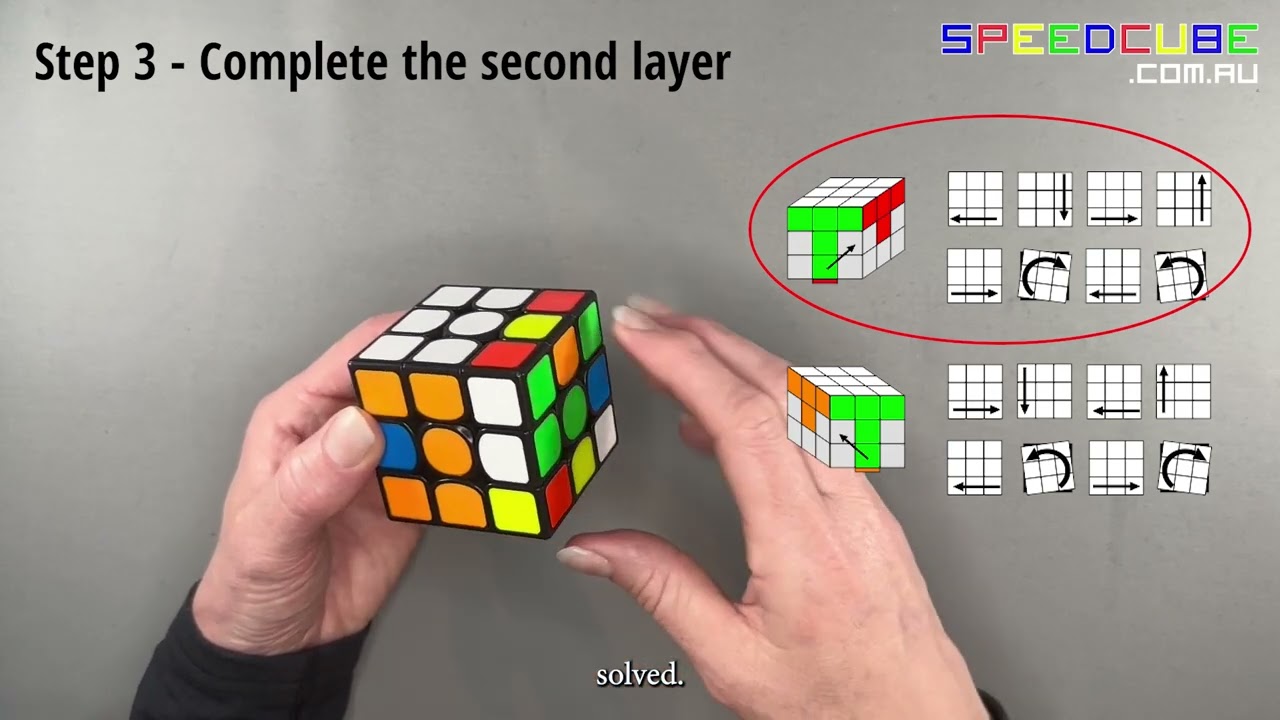
F2L is where the magic happens. Instead of solving the first layer then the second, you pair corner and edge pieces and insert them simultaneously.
- The Goal: Reduce reliance on algorithms here. True mastery means solving over 70% of F2L cases intuitively.
- Algorithmic Safety Net: For the difficult cases that stump you, there are specific algorithms (often called "triggers") that guarantee insertion. Memorizing these 41 standard cases is your first major milestone.
- Efficiency: Proper F2L execution saves roughly 20 moves per solve compared to beginner methods.
Decoding the Last Layer: OLL and PLL Mastery
Once your first two layers are solved, the real challenge begins: the last layer. This is where the bulk of advanced Rubik's cube algorithms reside. The CFOP method splits this into two phases: Orientation of the Last Layer (OLL) and Permutation of the Last Layer (PLL).
Orientation of the Last Layer (OLL)
OLL involves flipping all the top-layer stickers to match the center color, creating a solid yellow (or whatever your top color is) face. There are 57 standard OLL algorithms you need to learn.
- The 2-Look Method Trap: Many learners stop after learning the "2-look OLL" (3 algorithms for edges, 7 for corners). While this gets you faster, it caps your potential. To reach sub-20-second solves, you must learn all 57 cases.
- Pattern Recognition: Don't try to memorize the letter notation blindly. Look at the shape the pieces make. Is it a fish? A line? A dot? Associating shapes with algorithms makes recall significantly faster during a solve.
- Practice Strategy: Use random case generators to force yourself to recognize patterns rather than waiting for specific scenarios.
Permutation of the Last Layer (PLL)
After the face is oriented, the pieces are in the wrong spots. PLL algorithms swap these pieces into their correct positions. There are 21 PLL algorithms.
- Visual Similarities: Notice how many PLL algorithms look similar? They often share common middle sections. Grouping them by visual similarity (e.g., the "Sune" family vs. the "Anti-Sune" family) helps your brain categorize them logically.
- Execution Speed: PLL algorithms are often longer than OLL cases. Focus on finger tricks here to minimize rotation time. A slow execution of a short algorithm is worse than a fast execution of a slightly longer one.
Proven Memory Techniques for Complex Sequences
Memorizing 78+ algorithms sounds impossible, but world-class cubers do it every day. The key lies in using mnemonics, rhythmic patterns, and visual storytelling.
The Mnemonic Story Method
Instead of reciting "R U R' U'", assign a narrative or a rhythm to the moves.
- Example: Imagine the move
R U R' U'as a dance step: "Right, Up, Reverse Right, Reverse Up." - Advanced Application: For longer algorithms like certain PLL cases, create a short sentence where the first letter of each word corresponds to the move direction (R, L, U, D, F, B). This turns abstract physics into concrete language your brain remembers effortlessly.
Rhythm and Finger Tricks
Speedcubing is physical as much as it is mental. Your fingers must move automatically.
- Consistency: Develop a consistent way to hold the cube and initiate moves. If you rotate the whole cube unnecessarily, you lose precious milliseconds.
- Drills: Practice algorithms slowly at first, focusing on smooth transitions. Gradually increase speed only when your form is perfect. Rushing leads to mistakes, which wastes more time than going slow.
Utilizing Modern Learning Platforms
In 2026, you don't need to stare at a book. Platforms like LearnCube.org and Mcubes offer interactive visualizations.
- Interactive Visualization: Watch the algorithm play out on a virtual cube. Rotate the view to see the piece paths from different angles.
- Timed Drills: These platforms provide random case generators. Set a timer for 1 minute and try to solve as many random OLL cases as possible. This builds muscle memory and recognition speed simultaneously.
Structured Learning Paths for Different Skill Levels
Not everyone learns at the same pace. A structured approach ensures you don't get overwhelmed. Here is a roadmap tailored for different stages of advancement.
Phase 1: The Foundation (Weeks 1-4)
- Goal: Master the Beginner Method and learn the basics of CFOP.
- Focus: Learn the Beginner OLL (7 algorithms) and Beginner PLL (4 algorithms).
- Action: Solve the cube daily. Focus on reducing your move count. Start incorporating simple finger tricks.
- Target Time: Aim for a solve under 1 minute 30 seconds.
Phase 2: The Intermediate Grind (Months 2-4)
- Goal: Full OLL and full PLL mastery.
- Focus: Learn all 57 OLL and 21 PLL algorithms. Start practicing Intuitive F2L.
- Action: Dedicate 30 minutes a day to algorithm drilling. Use flashcards or apps to test your recognition.
- Target Time: Break the 45-second barrier.
Phase 3: Advanced Optimization (Months 5+)
- Goal: Sub-30 second solves and competition readiness.
- Focus: Refine finger tricks, improve look-ahead skills, and learn alternative methods like COLL (Corner Orient Last Layer) or Winter Variation for specific OLL cases.
- Action: Participate in local competitions or online speedruns. Analyze your solves to find inefficiencies.
- Target Time: Consistent solves under 25 seconds.
Overcoming Common Plateaus and Frustration
Even with the best resources, you will hit walls. This is normal. Here is how to handle the most common challenges faced by learners in 2026.
The "Algorithm Fatigue" Wall
After learning 20 algorithms, it feels like you are memorizing a foreign language.
- Solution: Take a break. Step away from the cube for a few days. Often, the solution clicks once you return with fresh eyes.
- Shift Focus: Stop trying to memorize the next batch. Instead, practice executing the ones you know faster. Sometimes, improving execution is more valuable than adding new algorithms.
Lack of Progress in F2L
F2L is notoriously difficult because it requires spatial reasoning alongside algorithmic knowledge.
- Solution: Spend time on F2L drills specifically. Many online courses offer "F2L packs" that isolate specific pairing situations.
- Mindset: Accept that F2L will be slow initially. It is the steepest part of the learning curve, but once it clicks, your times will plummet.
Notation Confusion
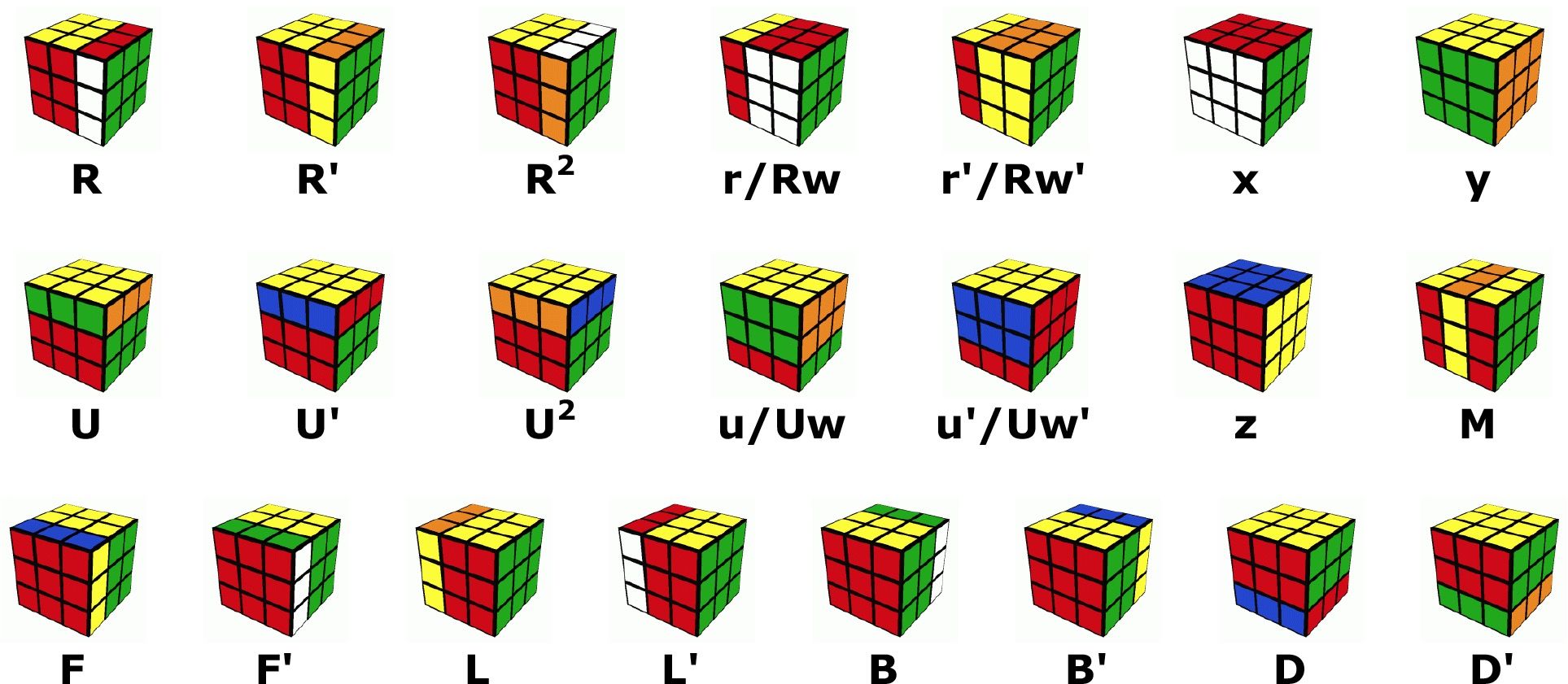
If you don't understand the symbols (R, L, U, D, F, B, '), you cannot learn the algorithms.
- Resource: Use guides like those found on Ruwix or J Perm that explain notation with clear diagrams.
- Practice: Write out algorithms by hand while saying the moves aloud. This engages multiple senses and reinforces memory.
The Role of Technology and Community in 2026
The cubing community in 2026 is more connected and technologically advanced than ever. Leveraging these tools can accelerate your learning process dramatically.
Online Courses and Tutors
Platforms like Udemy, Coursera, and specialized sites like Cube Academy offer structured video courses.
- Benefit: You get access to world champions like Feliks Zemdegs or Matty Hiroto Inaba teaching their personal techniques.
- Cost-Effectiveness: Many high-quality courses cost less than a single entry fee to a local competition, making expert knowledge accessible to everyone.
Local Cubing Communities
Don't isolate yourself. Find local groups in cities like New York, Berlin, or Sydney.
- Events: Attend meetups to solve physically with others. Seeing someone else execute an algorithm correctly can help you visualize the motion better than watching a video.
- Accountability: Joining a local group creates a sense of accountability that keeps you practicing consistently.
Apps and Software
Mobile apps have become essential training tools.
- Features: Look for apps that offer recognition modes (where you show the app your cube state and it suggests an algorithm) and timing analytics.
- Integration: Some apps sync with your physical cube via Bluetooth timers, providing instant feedback on your performance metrics.
Building a Sustainable Practice Routine
One of the most critical yet often overlooked aspects of mastering advanced Rubik's cube algorithms is the structure of your practice routine. Many aspiring speedcubers fall into the trap of "massive repetition without purpose." They might spend an hour mindlessly repeating the same PLL algorithm until their fingers ache, only to forget it entirely by the next day. To avoid this, you must adopt a deliberate practice strategy that balances repetition with variety and analysis.
The 80/20 Rule of Cubing
Apply the Pareto Principle (the 80/20 rule) to your learning sessions. Spend roughly 80% of your time on execution, recognition, and fluidity, and only 20% on rote memorization of new sequences. When you are learning a new set of OLL algorithms, do not just watch them; perform them while solving random scrambles. This forces your brain to bridge the gap between knowing an algorithm exists and recognizing when to use it instantly.
Micro-Drills for Muscle Memory
Break down complex algorithms into smaller chunks. If you are struggling with a long PLL sequence, isolate the first three moves and perfect them until they feel automatic. Then, add the next two moves. Finally, connect the two halves. This chunking method reduces cognitive load and allows your muscle memory to take over.
- The Mirror Drill: Solve the cube normally, then try to solve it while holding the cube in reverse or performing mirror moves. This sounds absurd, but it forces a deeper understanding of how each piece interacts with the mechanism, solidifying your spatial awareness.
- Blindfolded Awareness: Even if you don't plan to go blindfolded soon, practicing short segments of algorithms with your eyes closed can enhance your tactile feel for the cube's state. You will begin to "feel" where a piece is based on the resistance of the turn rather than just seeing it.
Tracking Progress Quantitatively
In 2026, data is king. Use apps or spreadsheets to track your metrics. Don't just note your final time; record your OLL recognition speed, PLL execution time, and F2L pair creation time.
- Identify Bottlenecks: If your overall time is improving slowly, check your data. Is your OLL taking too long because you are hesitating? Is your F2L slow because you aren't pairing efficiently? Pinpointing the exact bottleneck allows you to target your practice more effectively.
- Visualize Growth: Create line graphs of your average times over the last month. Seeing a downward trend is a powerful motivator. Conversely, if your times spike, it might indicate burnout or a need to revisit fundamentals.
Advanced Techniques: COLL and Variations
Once you have conquered the standard 57 OLL and 21 PLL cases, you may find yourself hitting a ceiling around the 20-second mark. This is where advanced variations like COLL (Corner Orient Last Layer) come into play. While standard CFOP requires two separate steps to orient and permute corners, COLL combines these into one efficient step, saving significant time for specific cases.
What is COLL?
COLL is a subset of OLL that orients all eight corner pieces simultaneously before permuting them. Instead of doing a full OLL case followed by a PLL case, COLL solves the corners in a single algorithmic flow. There are approximately 41 COLL algorithms, which is fewer than the full OLL set, but they require a different way of thinking about the last layer.
- Efficiency Gain: For many solvers, COLL can shave off 2 to 3 seconds per solve compared to traditional OLL+PLL, especially when combined with optimized finger tricks.
- Transition Difficulty: The jump from standard CFOP to COLL can be steep because it requires re-learning how to handle corner orientation. However, once mastered, it feels incredibly natural and fluid.
Winter Variation and Other Meta-Moves
Another area of advancement involves Winter Variation and other meta-moves. These are specific sequences used to manipulate edges or corners during the F2L stage to set up easier last-layer scenarios.
- Strategic Application: Learning these isn't just about memorizing more algorithms; it's about expanding your decision tree. Sometimes, it is faster to execute a slightly longer F2L algorithm to avoid a difficult OLL case later. This strategic flexibility is what separates good cubers from great ones.
- Community Resources: Keep an eye on forums like Reddit's r/Cubers or Discord servers dedicated to speedcubing. New variations and optimizations are shared daily by top-tier solvers. Staying updated with the latest "meta" ensures you aren't using outdated techniques that slow you down.
Mental Conditioning and Competition Simulation
Speedcubing is as much a mental sport as a physical one. The pressure of a competition can cause even the best solvers to freeze, forgetting algorithms they know perfectly at home. Developing mental conditioning is essential for translating your practice times into competitive results.
Simulating Competition Pressure
You cannot learn to perform under pressure by solving alone in your room. You must simulate the environment.
- Auditory Distractions: Practice solving while listening to loud music, crowd noise, or having someone talk to you. This trains your brain to filter out distractions and focus solely on the cube.
- Time Limits: Set strict time limits for your solves that are tighter than your current average. For example, if your average is 30 seconds, force yourself to solve in 25 seconds repeatedly. This builds a sense of urgency and helps you develop faster decision-making processes.
- The "Bad Scramble" Drill: Intentionally scramble the cube in ways that create awkward or rare cases. Get used to seeing patterns you rarely encounter so that you don't panic when they appear in a real competition.
Visualization Techniques
Elite athletes use visualization to enhance performance, and cubers are no exception. Before a solve, spend a minute visualizing the entire process.
- Mental Rehearsal: Close your eyes and imagine turning the cube. Feel the weight of the plastic, hear the click of the pieces, and see the colors aligning. Visualize yourself executing algorithms smoothly without hesitation.
- Pre-Solve Routine: Develop a consistent pre-solve ritual. This could be shaking out your hands, taking three deep breaths, or looking at a specific spot on the wall. A routine signals to your brain that it is time to focus, helping to calm nerves and improve concentration.
The Future of Cubing: AI and Predictive Analytics
As we look toward the future of speedcubing in 2026 and beyond, the integration of Artificial Intelligence is revolutionizing how we learn and optimize our skills. AI-driven tools are no longer just for generating random scrambles; they are becoming personal coaches.
AI-Powered Recognition and Feedback
New software uses computer vision to analyze your solves in real-time. As you turn the cube, the AI identifies every move, calculates your efficiency, and provides instant feedback.
- Move Optimization: If you take an extra rotation when you didn't need to, the AI highlights it. It suggests alternative algorithms that might be faster for the specific case you encountered.
- Personalized Curriculums: Based on your solve history, AI can identify your weak points. If you consistently struggle with certain OLL cases involving diagonal edges, the system will prioritize those in your practice schedule, ensuring you spend your time where it matters most.
Predictive Analytics for Training
Machine learning models can predict how long it will take you to master a new algorithm based on your previous learning speed and pattern recognition abilities. This allows for a highly customized learning path that adapts to your unique cognitive style. Whether you are a visual learner who needs diagrams or an auditory learner who prefers rhythmic chants, the AI adjusts its teaching method accordingly.
Conclusion: Your Journey to Mastery
Learning advanced Rubik's cube algorithms is a marathon, not a sprint. It requires patience, consistency, and a willingness to embrace failure as part of the learning process. In 2026, the tools available to you are more powerful than ever, but the core principle remains unchanged: practice makes perfect. By following the structured paths outlined in this guide, utilizing modern technology, and maintaining a strong mental mindset, you will inevitably break through your current barriers.
Remember, every world record holder started exactly where you are now. They faced the same overwhelming lists of algorithms, the same frustration of stuck layers, and the same doubts about whether they could ever get fast enough. The difference was their persistence. They showed up every day, drilled their weaknesses, and celebrated small victories along the way.
As you embark on this journey, keep your goals clear. Whether you aim to compete locally, break personal records, or simply enjoy the satisfying click of a perfectly solved cube, the path is open to you. Start with the basics, master the CFOP method, dive into OLL and PLL, and gradually incorporate advanced variations like COLL. With dedication and the right resources, you too can join the ranks of elite speedcubers.
So, pick up your cube, shuffle those colors, and let the journey begin. The solution is waiting for you to discover it, one algorithm at a time. Embrace the challenge, enjoy the process, and remember: the only bad solve is the one you don't make. Happy cubing!
Frequently Asked Questions (FAQ)
Q: How long does it typically take to learn all 57 OLL and 21 PLL algorithms?
A: For a dedicated solver practicing 30–60 minutes daily, it usually takes between 2 to 4 months to comfortably learn and recall all cases. However, true fluency, where you can recognize patterns instantly without hesitation, often takes 6 months or more of consistent practice.
Q: Do I need to learn every single algorithm immediately, or can I skip some?
A: While you can start with "2-look" methods (a subset of algorithms) to get faster quickly, skipping the full set will cap your potential. To reach sub-20-second solves, you eventually need to know all 78 cases. It is recommended to learn them in batches based on visual similarity rather than trying to memorize them all at once.
Q: Is it better to learn algorithms by notation or by shape recognition?
A: Shape recognition is superior for speedcubing. While notation (R, U, F, etc.) is necessary for reading tutorials, relying solely on it slows you down. Train your eyes to recognize the pattern the pieces form (e.g., a fish shape, a line) and trigger the algorithm automatically, bypassing the need to decode letters in your head during a solve.
Q: Can I learn advanced algorithms without a physical cube?
A: You can learn the theory and notation online, but muscle memory requires physical interaction. You cannot fully internalize finger tricks or spatial manipulation without holding a cube. However, using simulation apps can help you visualize the moves and test your recognition skills before touching the physical puzzle.