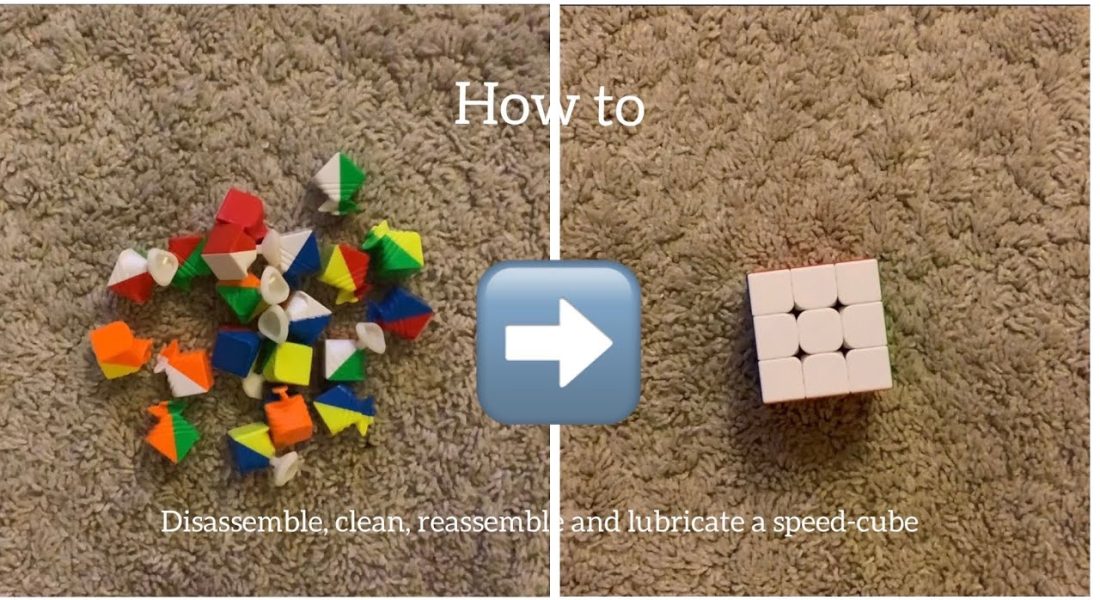
Welcome to the year 2026, where the art of speedcubing has evolved into a high-performance discipline. Whether you are a casual solver in Chicago, a competitive pro in New York City, or an enthusiast in London, your equipment is your most critical tool. Yet, even the most expensive GAN 14 Maglev or MoYu RS3 M will fail you if it is clogged with grime. Have you ever noticed your cube feeling sluggish or hearing a gritty sound during a fast turn? This is not normal wear and tear; it is a sign that dust, dirt, and old lubricant have created friction inside your mechanism. In this comprehensive guide, we will explore exactly how to clean dust and dirt from your speed cube to restore its original buttery smoothness.
Cleaning your puzzle is not just about aesthetics; it is a necessity for maintaining Turns Per Second (TPS). A dirty cube acts like running a race with rocks in your shoes. By removing debris, you reduce internal resistance, prevent lock-ups, and extend the lifespan of your internal springs and magnets. Let's dive deep into the professional methods used by top-tier cubers worldwide to keep their puzzles in tip-top condition.
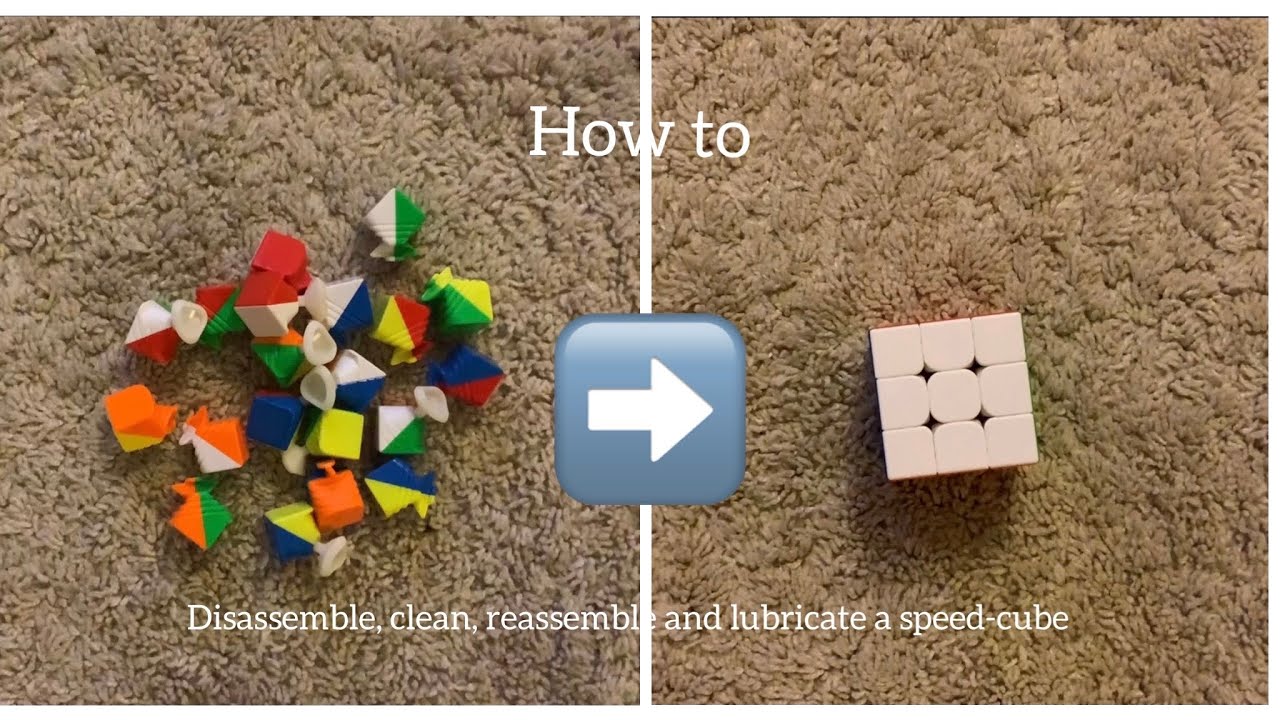
Why Your Speed Cube Needs Immediate Attention in 2026
The landscape of twisty puzzles has changed significantly over the last few years. Modern speed cubes utilize advanced magnetic systems and precision engineering that make them incredibly sensitive to contamination. In 2026, the expectation for a speed cube is flawless performance out of the box, but environmental factors are relentless. Airborne particles, sweat from intense solving sessions, and residual oils from previous lubrication combine to form a stubborn paste known as "gunk."
The Science of Friction and Dust
Dust and dirt are the silent killers of cube speed. When these particles settle between the plastic layers and the core, they act as micro-abrasives. Every time you rotate a layer, these particles grind against each other and the plastic walls. This increases friction, causing the cube to feel sticky or resistant. Over time, this constant grinding can warp plastic pieces or damage the delicate magnets within magnetic cubes.
Consider the impact on your solving rhythm. A clean cube allows for instant acceleration and deceleration. A dirty cube forces you to apply more force to initiate a turn, leading to inconsistent algorithms and slower average times. For competitive cubers aiming for sub-10-second solves, even a millisecond of delay caused by grit can mean the difference between a personal best and a failed attempt.
Longevity and Cost Efficiency
Investing in a high-quality speed cube is a significant expense. A well-maintained cube can last for years, whereas a neglected one may need replacement parts or total refurbishment within months. Proper cleaning prevents unnecessary wear and tear on the core mechanism, the center caps, and the edge pieces. By adopting a routine maintenance schedule, you protect your investment and ensure that your cube remains a joy to solve rather than a source of frustration.
Essential Tools for a Professional Clean
Before you begin the disassembly process, gathering the right tools is paramount. Using the wrong materials can scratch your plastic or damage the internal electronics of modern magnetic cubes. Here is the essential toolkit you need for a thorough clean in 2026.
Microfiber Cloths and Soft Brushes
The foundation of any good cleaning kit is a high-quality microfiber cloth. These cloths are designed to trap dust and lint without leaving behind fibers themselves. Avoid using paper towels, as they can leave residue and potentially scratch the matte finish of many modern cubes. Additionally, a soft-bristled brush, such as a clean toothbrush or a dedicated paintbrush, is invaluable for reaching into tight crevices where dust accumulates around the corner pieces and edge slots.
Isopropyl Alcohol (70% or Higher)
For removing stubborn residue and sanitizing the plastic, 70% isopropyl alcohol is the gold standard. It evaporates quickly, minimizing the risk of moisture damage, and effectively breaks down oils and grime without degrading the ABS plastic. Ensure you use a pure alcohol solution; avoid household cleaners containing ammonia or bleach, as these can cause discoloration or chemical reactions with the cube's components.
Compressed Air and Cotton Swabs
While not strictly necessary, a can of compressed air is excellent for blasting away loose dust from hard-to-reach areas before you start wiping. For detailed work inside the core mechanism once disassembled, cotton swabs dipped in alcohol allow for precise cleaning of the screw threads and spring contacts.
Lubricant and Grease
Cleaning is only half the battle; you must also re-lubricate. After removing old gunk, applying fresh silicone-based cube lubricant is crucial. Look for high-viscosity greases for slow turns and low-viscosity oils for faster, snappier feels. Popular brands in 2026 include Gan Magic Oil, Yuxin Nano Grease, and Jiggy's Lube.
Method 1: The Quick Surface Wipe (No Disassembly)
If your cube is merely dusty on the outside or slightly gritty on the surface, a full disassembly might be overkill. The Quick Surface Wipe method is perfect for maintaining your cube between major cleaning sessions or for those who prefer a non-invasive approach.
Step-by-Step Surface Cleaning
- Inspect the Cube: Hold the cube under good lighting. Look for visible dust in the grooves between the stickers and the plastic edges.
- Dry Brush First: Use your soft brush to gently sweep away loose dust from the surface and corners. Do not press too hard, as this can push dust deeper into the mechanism.
- Wipe Down: Take your microfiber cloth and wipe every face of the cube. Pay special attention to the grooves between pieces, as this is where dirt loves to hide.
- Address Stains: If you see sticky residue, dampen a corner of your cloth with a tiny amount of isopropyl alcohol. Wring it out thoroughly so it is barely damp, not wet. Gently rub the affected area until the residue lifts.
- Final Dry: Immediately follow up with a dry section of the microfiber cloth to ensure no moisture remains in the crevices.
This method is fast, taking less than five minutes, and is highly effective for removing surface-level contaminants. However, it does not address the buildup of old lubricant inside the core, which is why many enthusiasts still opt for the deeper cleaning method described next.
Method 2: The Deep Clean (Full Disassembly)
For a truly revitalized experience, especially after months of heavy use, a full disassembly is the only way to guarantee optimal performance. This method allows you to clean every single component, from the center screws to the internal springs. As seen in tutorials from top creators, this process transforms a sluggish cube into a high-speed machine.
Preparing Your Workspace
Set up a clean, well-lit area. It is advisable to lay down a towel or use a small tray to catch any small parts that might slip. Have all your tools—cloths, brushes, alcohol, and lubricant—within arm's reach. You do not want to lose a tiny spring while rushing to find a tool.
The Disassembly Process
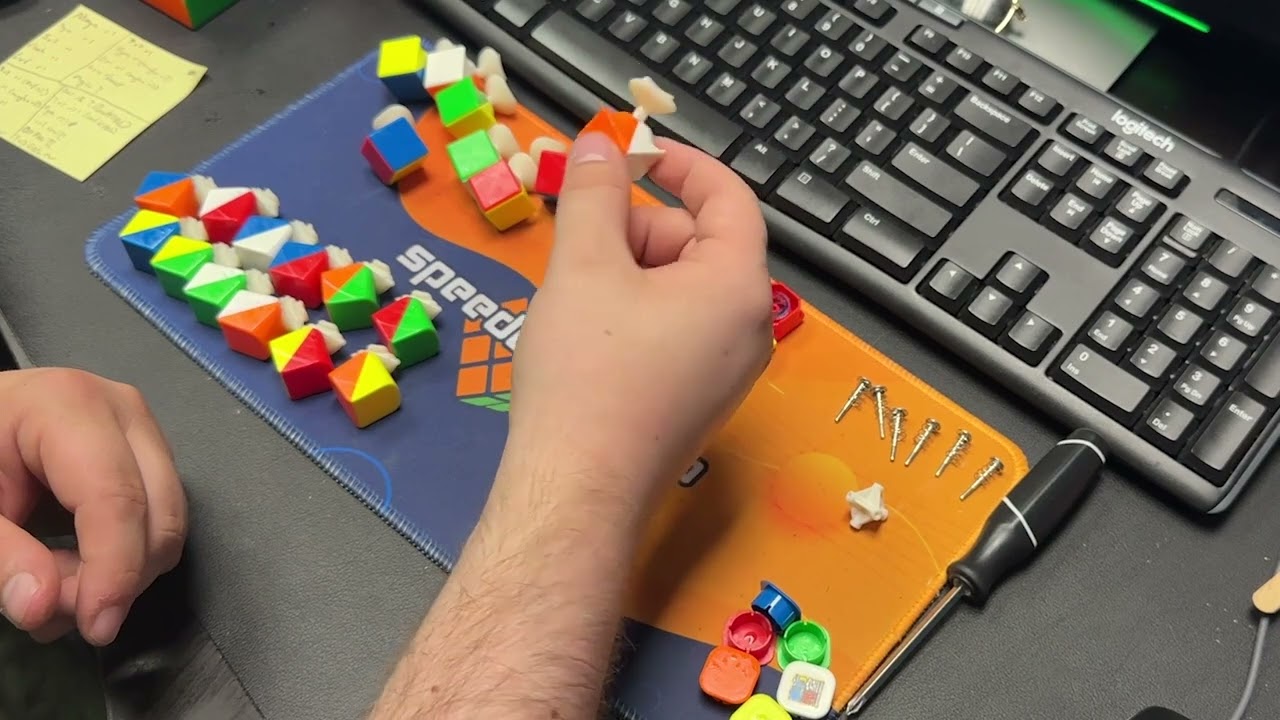
Start by removing the center caps. On most modern cubes, these pop off easily. Once removed, unscrew the center screws. Be careful not to overtighten them when putting them back later. Next, gently pull apart the cube. You may need to remove edge pieces to separate the layers completely. For a 3×3, removing one edge piece often allows the whole cube to come apart effortlessly.
Pro Tip: Keep track of your parts! It is easy to lose small components during disassembly. Organize them by color or position on your workspace towel to ensure a smooth reassembly.
![SpeedcubingTV] How to Clean Your Cube – YouTube](https://i.ytimg.com/vi/qWwO9xjoAU8/hqdefault.jpg)
Cleaning the Core and Plastic Pieces
Once disassembled, you will see the inner workings of your puzzle. This is where the magic happens.
- Plastic Pieces: Dip your microfiber cloth or cotton swab in isopropyl alcohol. Scrub every piece thoroughly. Focus on the contact surfaces where the plastic touches the core. You will likely see black gunk coming off; this is the mixture of old grease, dust, and plastic dust.
- The Core Mechanism: Use a dry cloth to wipe the central core. If there is dried lubricant on the springs or screws, use a cotton swab with alcohol to clean them. Ensure you remove all traces of the old substance.
- Screws and Springs: These metal parts should be wiped clean to remove oxidation or oil buildup. A clean metal-on-metal interface ensures smoother turning dynamics.
Drying: The Most Critical Step
Never reassemble a wet cube. Moisture is the enemy of electronics and can cause rust on springs or short circuits in magnetic cores. Spread all your pieces out on a dry towel. Place them near a fan or in a well-ventilated area. Allow them to air dry for at least 30 to 60 minutes. To speed up the process, you can gently blow compressed air over the pieces, but ensure no water droplets remain. Touch-test a few pieces; they must feel completely dry to the touch before proceeding.
The Art of Reassembly and Lubrication
Cleaning is futile if you don't put the cube back together correctly and apply fresh lubricant. This step determines the final feel and speed of your puzzle.
Reassembling with Precision
Start by inserting the core pieces back together. Screw the centers back in, but do not tighten them yet. Insert the edge and corner pieces layer by layer. As you snap the layers back together, listen for the satisfying click. Once assembled, tighten the center screws evenly. They should be snug enough to hold the cube together firmly but loose enough to allow the layers to turn smoothly. If a layer feels stiff, loosen the screw slightly on that side.
Applying Fresh Lubricant
Now comes the fun part: lubing. Apply your chosen lubricant to the contact points.
- Core Lubrication: Put a drop of grease on the center shafts and a small amount on the springs.
- Piece Lubrication: Apply a thin layer of oil or grease to the underside of the edge and corner pieces where they slide against the core.
- Even Distribution: Turn the cube slowly to distribute the lubricant evenly across all moving parts. Avoid over-lubricating, as excess grease can attract more dust over time.
A properly lubed and cleaned cube should turn with zero resistance. If it still feels sticky, you may have missed a spot during cleaning or applied too little lubricant. Repeat the process until the feel is perfect.
Advanced Maintenance Tips for 2026 Solvers
To keep your cube performing at peak levels throughout the year, adopt these advanced habits. Regular maintenance prevents the need for deep cleans every few weeks.
The Weekly Wipe-Down
Make it a habit to wipe down your cube with a dry microfiber cloth after every solving session. This simple action removes sweat and surface dust before they have a chance to bake into the mechanism. Sweat contains salts and acids that can corrode plastic and metal over time, so hygiene matters.
Storage Solutions
When you aren't solving, store your cube in a cube bag or a protective case. Exposure to direct sunlight can fade stickers and warp plastic. Humidity fluctuations can also affect the cube's performance. Keeping your cube in a stable environment in places like San Francisco or Tokyo helps maintain consistent material properties.
Environmental Awareness
If you solve in dusty environments or areas with high pollen counts, consider wearing a mask or solving in a controlled space. Airborne particles are inevitable, but reducing their exposure significantly extends the time between deep cleaning sessions.
Troubleshooting Common Cleaning Issues
Even with the best techniques, issues can arise. Here is how to handle common problems you might encounter during your cleaning journey.
Sticky Turns After Cleaning
If your cube feels stickier after cleaning and lubing, you likely applied too much lubricant. Remove the excess by taking the cube apart again and wiping off the surplus grease with a dry cloth. Alternatively, let the cube sit for a day to allow the oil to settle and any excess to migrate away from the contact points.
Discoloration or Staining
If cleaning with alcohol caused some discoloration, it might be due to low-quality stickers reacting to the solvent. High-quality stickers on modern cubes are generally resistant, but cheap third-party skins can peel or fade. In 2026, investing in premium stickerless cubes or high-grade skin kits can prevent this issue entirely.
Magnetic Misalignment
After cleaning a magnetic cube, if the pieces feel loose or the magnetism seems weak, check the alignment of the magnets. Sometimes, the force of disassembly can shift a magnet slightly. Ensure all magnets are seated correctly in their recesses before reassembling.
The Psychology of a Clean Cube: How Maintenance Affects Solve Confidence
Beyond the mechanical advantages of reduced friction, there is a profound psychological component to maintaining a pristine speed cube. In the high-stakes environment of competitive cubing, the tactile feedback from your puzzle is as important as your finger tricks. When a cube feels clean, smooth, and responsive, it instills a sense of confidence in the solver. This confidence translates directly into faster reaction times and more fluid execution of algorithms. Conversely, a dirty, gritty cube creates a subconscious barrier; the solver becomes hyper-aware of the resistance, leading to hesitation or "muscle memory" errors where the brain anticipates a turn that doesn't come smoothly.
Consider the mental state required for an average solve. Top-tier solvers enter a flow state where their hands move almost autonomously, guided by muscle memory developed over thousands of hours. This state is fragile. Introducing variables like inconsistent turning resistance due to dirt disrupts this flow. By ensuring your cube is immaculate, you remove a variable from the equation, allowing your mind to focus entirely on pattern recognition and lookahead—the true hallmarks of elite solving. In 2026, where margins between sub-7 and sub-8 second solves are often measured in milliseconds of reaction time, the psychological edge provided by a perfectly maintained tool cannot be overstated. It is the difference between fighting your equipment and dancing with it.
Furthermore, the ritual of cleaning itself can serve as a meditative practice. For many enthusiasts, taking apart their cube, scrubbing the pieces, and watching the old grime dissolve into the alcohol provides a satisfying break from the intensity of competition. It is a moment of connection with the object, acknowledging the wear and tear it has endured and giving it new life. This ritualistic care fosters a deeper appreciation for the engineering marvel that is the modern speed cube, transforming a simple plastic toy into a cherished piece of technology.
Addressing Specific Challenges in Different Environments
Not all cleaning needs are created equal, and the specific environment in which you cube plays a massive role in how quickly your puzzle accumulates dirt. Understanding these environmental factors allows for a tailored maintenance strategy.
The Humidity Challenge
In coastal cities like Miami or tropical regions such as Singapore, humidity is the primary enemy. High moisture levels can cause ABS plastic to absorb water slightly, leading to warping over time, and can accelerate corrosion on metal springs and screws. In humid climates, your cleaning routine must be more aggressive regarding drying times. After washing with alcohol, ensure every single crevice is bone dry before reassembly. Consider using silica gel packets inside your storage case to maintain a low-humidity environment when the cube is not in use. If you notice your cube becoming sticky even after cleaning, it may be absorbing ambient moisture; a brief session in a warm, dry room (but not overheating it) can help drive out trapped humidity.
The Dusty Desert or Construction Zones
Conversely, if you live in arid regions like Phoenix or areas near construction sites, airborne particulate matter is the main threat. Fine dust particles act like sandpaper inside your mechanism. In these environments, frequency of cleaning increases. You might find yourself needing to perform a quick surface wipe after every single session, rather than just weekly. Using compressed air regularly to blow out loose dust before it settles into the grooves is essential. Additionally, consider sealing your cube in a zip-lock bag when transporting it to competitions held in dusty venues to prevent immediate contamination upon arrival.
The Sweat Factor
For those who engage in intense training sessions, sweat is a significant contaminant. Sweat contains salts, acids, and oils that can degrade stickers and corrode internal metals if left unchecked. If you tend to solve with sweaty palms, investing in anti-slip grip tapes or wearing lightweight cotton gloves while solving can mitigate direct contact with the plastic. However, regardless of gloves, a thorough cleaning with isopropyl alcohol is non-negotiable after any session involving heavy perspiration. Alcohol effectively dissolves the salts and oils in sweat, preventing them from bonding permanently to the plastic surfaces.
Future-Proofing Your Cube: Trends in 2026 Lubrication and Materials
As we look toward the future of speedcubing in 2026, the materials used in cubes and the chemistry of lubricants are evolving rapidly. Staying informed about these trends ensures your cleaning methods remain effective as technology advances.
Self-Lubricating Plastics
Some manufacturers in 2026 are experimenting with self-lubricating polymers for the internal contact points of cubes. These materials reduce the need for frequent re-lubrication but require a gentler cleaning approach. Harsh solvents can sometimes strip the microscopic additives that provide the self-lubricating effect. When cleaning these newer models, stick to mild soapy water or very dilute alcohol solutions, and avoid aggressive scrubbing that might wear down the specialized coating. Always check the manufacturer's specific care guidelines, as the "one size fits all" approach to cleaning may no longer apply to next-generation plastics.
Water-Based Lubricants
There is a growing shift away from traditional silicone-based oils toward water-based or hybrid lubricants. These are easier to clean off if over-applied and are less likely to attract dust in the long term. If you switch to a water-based lube, remember that water evaporates differently than alcohol and can leave mineral deposits if your local water is hard. In this case, rinsing with distilled water during the cleaning process might be necessary before applying the new lube. Understanding the chemistry of your chosen lubricant is key to maintaining the optimal balance between speed and durability.
Modular Cleaning Kits
The market is also seeing a rise in modular cleaning kits designed specifically for magnetic cubes. These kits often include specialized brushes that fit perfectly into the narrow gaps of modern core designs and tools that safely disassemble magnets without demagnetizing them. Investing in these purpose-built tools can save time and prevent accidental damage. As cubes become more complex with integrated electronics and stronger magnets, generic cleaning tools may become insufficient. Adapting your toolkit to match the sophistication of your cube is a smart investment for the serious solver.
Frequently Asked Questions (FAQ)
Solving common questions can help clarify misconceptions and streamline your cleaning routine. Here are answers to the most frequently asked questions regarding speed cube maintenance.
Q: Can I use hand sanitizer to clean my speed cube?
A: While hand sanitizers contain alcohol, they also include moisturizers, fragrances, and other additives that can leave a sticky residue on your plastic. This residue attracts more dust and can degrade stickers over time. It is always better to use pure isopropyl alcohol (70% or higher) without additional ingredients. If you only have hand sanitizer available, test it on a small, inconspicuous area first, but pure alcohol remains the gold standard for safety and effectiveness.
Q: Is it safe to put my entire cube in water to clean it?
A: Absolutely not. Never submerge a speed cube in water, especially if it is a magnetic model. Water can seep into the core, causing rust on the springs and screws, and can short-circuit the magnetic sensors. Even for non-magnetic cubes, prolonged exposure to water can weaken the adhesives holding stickers in place or warp the plastic layers. Cleaning should always be done using damp cloths or cotton swabs, never immersion.
Q: How often should I completely disassemble and deep clean my cube?
A: The frequency depends on your usage and environment. For casual solvers, a deep clean every 3 to 6 months is sufficient. For competitive cubers who solve daily or multiple times a day, a deep clean every 1 to 2 months is recommended. Listen to your cube; if it starts sounding gritty or feeling sticky despite regular wiping, it's time for a full teardown. There is no harm in doing it more often if you suspect heavy contamination, but over-cleaning with harsh chemicals can eventually wear down high-quality stickers.
Q: My cube turns too fast and feels "loose" after cleaning. What should I do?
A: This usually indicates that you have removed too much old grease and haven't applied enough new lubricant, or that the tension screws are too loose. Reassemble the cube and apply a moderate amount of fresh lubricant to the contact points. Then, adjust the center screws to increase tension slightly. A cube that is too loose can lead to misalignments and pop-outs during fast turns. Find the "sweet spot" where the cube is snappy but secure.
Conclusion: The Path to Perpetual Peak Performance
Cleaning dust and dirt from your speed cube is far more than a chore; it is a fundamental discipline of the sport. In 2026, where precision engineering meets human athleticism, the condition of your equipment dictates the ceiling of your potential. By understanding the science of friction, utilizing the right tools, and adhering to a consistent maintenance schedule, you ensure that your cube remains a reliable partner in your journey toward mastery.
Remember that a clean cube is a happy cube. It turns smoothly, feels satisfying in the hands, and inspires confidence during those crucial moments of a competition. Whether you are grinding for a personal best in your home studio in Chicago or representing your country on the world stage in New York City, the principles of cleanliness remain universal. Take the time to care for your GAN, MoYu, or whatever brand calls your name. Treat it with the respect it deserves, and in return, it will reward you with buttery smooth turns and PB-breaking solves for years to come.
The ultimate goal is not just a clean cube, but a seamless solving experience where the puzzle disappears, and only the solution remains. Embrace the process of cleaning, learn from your specific environment, and stay ahead of the curve with emerging technologies. With dedication and the right knowledge, your speed cube will continue to be the sharpest tool in your arsenal, ready to tackle any challenge that comes its way. Start your cleaning routine today, and feel the difference in every twist and turn.