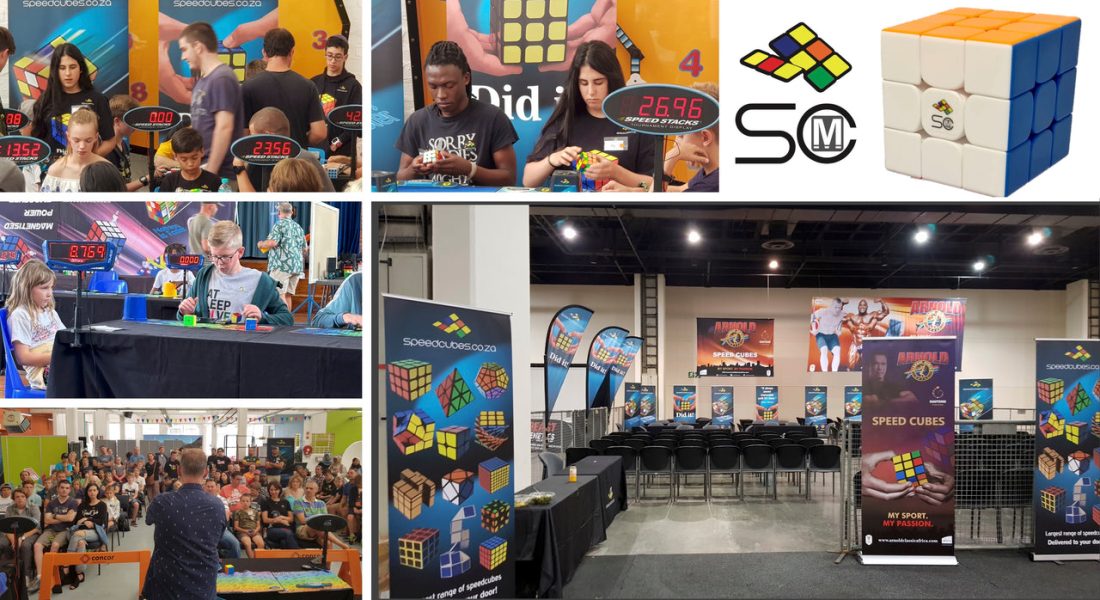
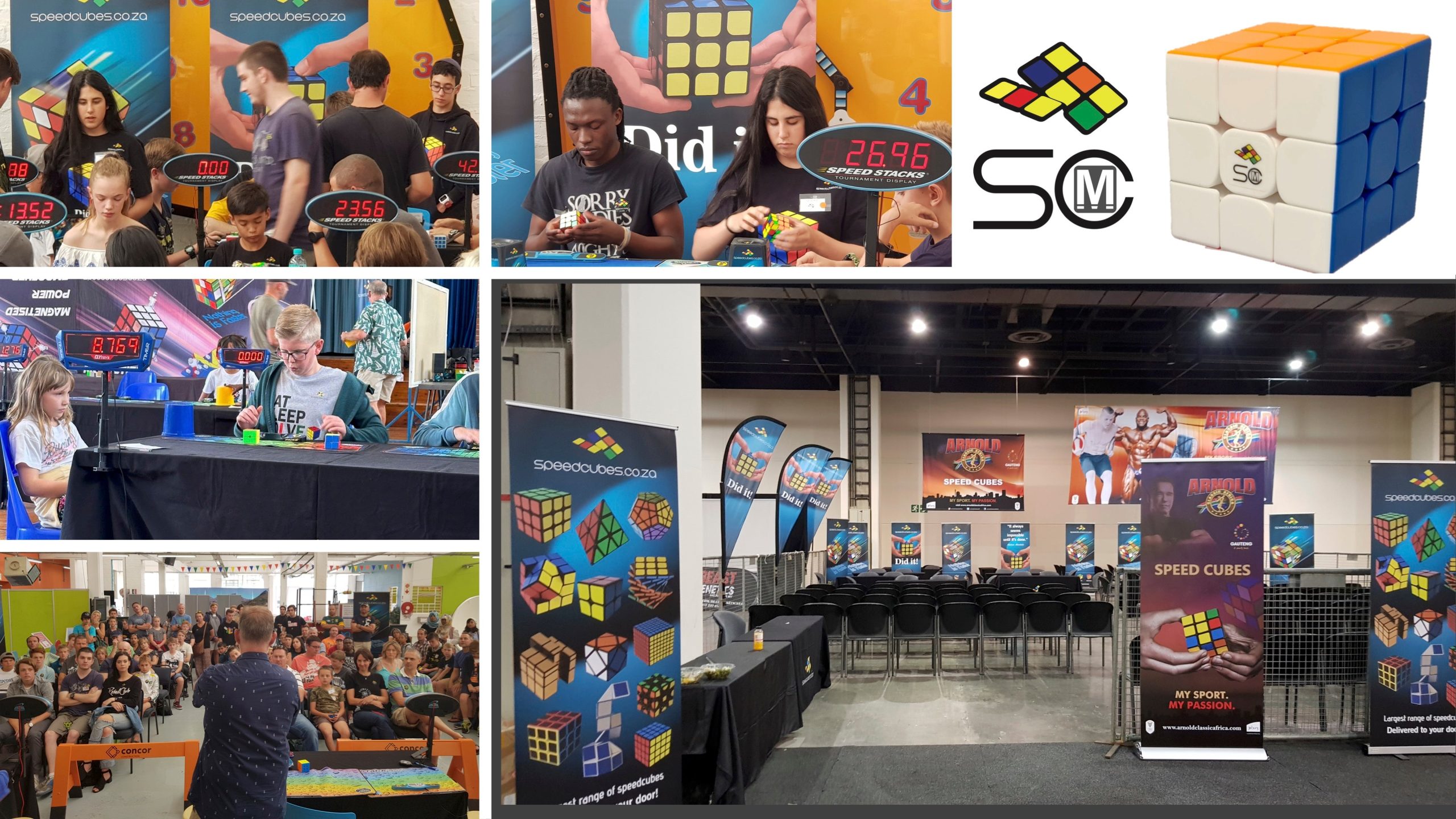
The world of speedcubing has evolved into a vibrant, global ecosystem where enthusiasts from every corner of the globe gather to test their mental agility, dexterity, and strategy. If you are reading this in 2026, you are stepping into a decade where the sport has matured significantly, offering more structured pathways than ever before for newcomers to enter the fray. How to join local speedcubing competitions in 2026 is no longer just about showing up with a cube; it is about understanding the digital infrastructure, the specific regional regulations, and the community networks that facilitate these events. Whether you are a casual solver who wants to try your hand at an event or a seasoned competitor aiming for national titles, the landscape is richer and more accessible today.
In 2026, the barrier to entry has never been lower, yet the standards for competition have remained high thanks to the rigorous governance of the World Cube Association (WCA). The year 2026 marks a period of significant expansion in local club culture, with communities in cities ranging from Fort Worth, Texas, to Toowoomba, Australia, hosting regular, high-quality events. This guide will walk you through every step of the process, ensuring you are fully prepared to register, compete, and thrive in your local scene. We will explore the tools you need, the rules you must follow, and the strategies to find the perfect event near you.
Navigating the Digital Landscape of Modern Cubing
Before you even pick up a cube to practice, the first step in answering "how to join local speedcubing competitions in 2026" is mastering the digital platforms that drive the entire industry. In the modern era, information is centralized, and missing a registration deadline often means missing the entire event. Unlike previous years where flyers on bulletin boards might suffice, 2026 relies heavily on dynamic databases and real-time updates.
The World Cube Association Database
The backbone of all official speedcubing activity is the World Cube Association (WCA). Their website serves as the central repository for all sanctioned competitions. For anyone looking to compete, the WCA database is the single source of truth. It lists every upcoming event, from massive international championships down to small, neighborhood gatherings. The interface allows users to filter by location, date, and puzzle type, making it incredibly easy to identify opportunities within a specific radius of your home.
In 2026, the WCA has further refined its search algorithms to provide better geo-location services. When you access the "Competitions" section, the system can suggest events based on your current IP address or manually entered zip code. This feature is crucial for beginners who may not know exactly which clubs operate in their vicinity. The database includes essential details such as the venue address, contact information for organizers, and a comprehensive list of events available throughout the year.
Third-Party Aggregators and Apps
While the WCA site is authoritative, the speedcubing community has also embraced third-party aggregators that offer enhanced user experiences. Platforms like CubingApp, Cubing Heat, and SpeedSolving.com act as powerful intermediaries. These platforms often provide additional features such as live judging notifications, community forums, and personalized alerts.
For instance, Cubing Heat has become a go-to resource for participants seeking both online and offline experiences. Their platform allows users to sign up for WhatsApp communities to receive instant notifications about new competitions. This immediacy is vital in 2026, where schedules can change rapidly due to venue availability or organizer decisions. Similarly, SpeedSolving.com hosts a massive forum dedicated to "Local Cubing Groups," where members discuss everything from creating new clubs to finding unofficial meetups that aren't yet WCA-sanctioned but offer great learning experiences.
The Role of Social Media and Streaming
Social media has transformed how competitors discover events. In 2026, Instagram, Twitter (X), and Twitch are integral parts of the competition lifecycle. Organizers frequently announce dates and fill spots weeks in advance on these channels. Furthermore, the rise of live streaming means that even if you cannot attend a local event in person, you can watch top-tier solvers compete in real-time. This visibility helps aspiring cubers understand the level of play required and inspires them to take the leap into competition.
Platforms like Speedcubing.TV, used by leagues such as the Premier Speedcubing League (PSL), offer professional broadcasts of qualifying events. Watching these streams provides insight into the atmosphere, the timing, and the pressure of competition, demystifying the experience for newcomers. By following official accounts and hashtags associated with your region, you ensure you never miss a registration window.
Understanding Regulations and Registration Protocols
Once you have identified potential events, the next critical phase is understanding the rules and navigating the registration process. In 2026, the regulations governing speedcubing are strict but fair, designed to ensure consistency and safety across all venues. Ignoring these protocols can lead to disqualification, so familiarity is key.
The WCA Regulations Handbook
Every official competition in 2026 operates under the WCA Regulations. These documents cover everything from how a scramble is generated to what constitutes a valid solve. For a beginner, diving straight into the full text can be overwhelming, but there are specific sections you must master before registering.
- Scramble Rules: You must understand how cubes are scrambled. In 3×3 events, scrambles are generated randomly, but there are constraints to prevent obvious patterns. Knowing this helps you prepare mentally for the chaos of the start signal.
- Inspection Time: You are typically allowed 15 seconds of inspection time before the timer starts. During this window, you can look at the cube but cannot touch it. Misusing this time is a common pitfall for novices.
- Penalties and Disqualifications: Familiarize yourself with penalty types. A "touch move" penalty adds two seconds to your time, while a failed attempt (DNF) results in no score for that round. Understanding these nuances prevents costly mistakes during your first competition.
The WCA also enforces strict conduct policies. Harassment, cheating, or bringing unauthorized devices to the competition area can result in immediate expulsion. In 2026, the emphasis on sportsmanship and inclusivity is stronger than ever, with zero tolerance for discrimination or unsafe behavior.
Registration Mechanics and Deadlines
Registration for most WCA competitions in 2026 is handled exclusively through the WCA website or linked third-party systems like CubingUSA for North American events. The process is straightforward but requires attention to detail.
- Create a WCA Account: If you do not already have one, you must create a free account. This account links your personal data to your competition results, allowing you to build a profile and track your progress over time.
- Select Your Event: Browse the list of competitions and select the one you wish to join. Pay close attention to the competitor limit. Many popular events, such as the Bali Mini Speedcubing or regional championships, cap entries at 30 or 320 participants to manage logistics effectively.
- Pay the Fee: Registration fees vary by location and scale. For example, some international events charge around $40 USD, while smaller local events might be free or charge a nominal fee to cover venue costs. Always check the refund policy; many organizers offer partial refunds if you cancel before a specific deadline, often a few days prior to the event.
- Confirm Participation: Once registered, you will receive a confirmation email. Save this digitally or print it out, as you may need to present it upon arrival for check-in.
Age Groups and Eligibility
One of the most exciting aspects of speedcubing in 2026 is its accessibility across all age groups. Events are strictly divided into categories such as Minors (under 18), Seniors (18 and over), and sometimes specific sub-groups for younger children. This ensures fair competition against peers of similar developmental stages.
Some competitions may have additional restrictions based on residency or membership status, particularly for regional titles. For instance, to be eligible for a Regional Championship title in the United States, you must log in to the CubingUSA website with your WCA account and select your home state before the competition begins. This system tracks state records and awards titles based on performance within your specific geographic zone.
Finding Local Events and Building Community Connections
The heart of speedcubing lies in its community. While large international events garner global attention, the true spirit of the sport is found in local clubs and neighborhood competitions. Learning how to join local speedcubing competitions in 2026 effectively means knowing how to tap into these grassroots networks.
Utilizing Community Forums
The SpeedSolving.com forum remains a treasure trove of local intelligence. The "Local Cubing Groups" section is updated regularly by members from around the world, including the UK, India, Australia, and various US states. These threads often contain announcements for unofficial meetups, university club meetings, and tentative dates for upcoming local events.
If you are part of a university, check if there is an existing cubing club. Universities have long been hotbeds for speedcubing culture. Clubs like those in Oregon, Hawaii, and Illinois frequently organize informal solves that serve as excellent training grounds before transitioning to formal WCA competitions. Engaging with these groups allows you to connect with mentors who can guide you through your first steps.
Leveraging Regional Organizations
Regional organizations play a pivotal role in bridging the gap between casual solving and competitive racing. In North America, CubingUSA organizes major events like the National Championships and supports numerous regional and state-level competitions. Their calendar is updated frequently, providing a reliable roadmap for solvers in the US and Canada.
Similarly, in Europe, national federations coordinate efforts to ensure a steady stream of events throughout the year. For example, Poland and Germany have robust networks of competitions that cater to different skill levels. Checking the websites of these regional bodies can reveal events that might not appear on global aggregators but are highly regarded within the local circuit.
Identifying Venues and Atmosphere
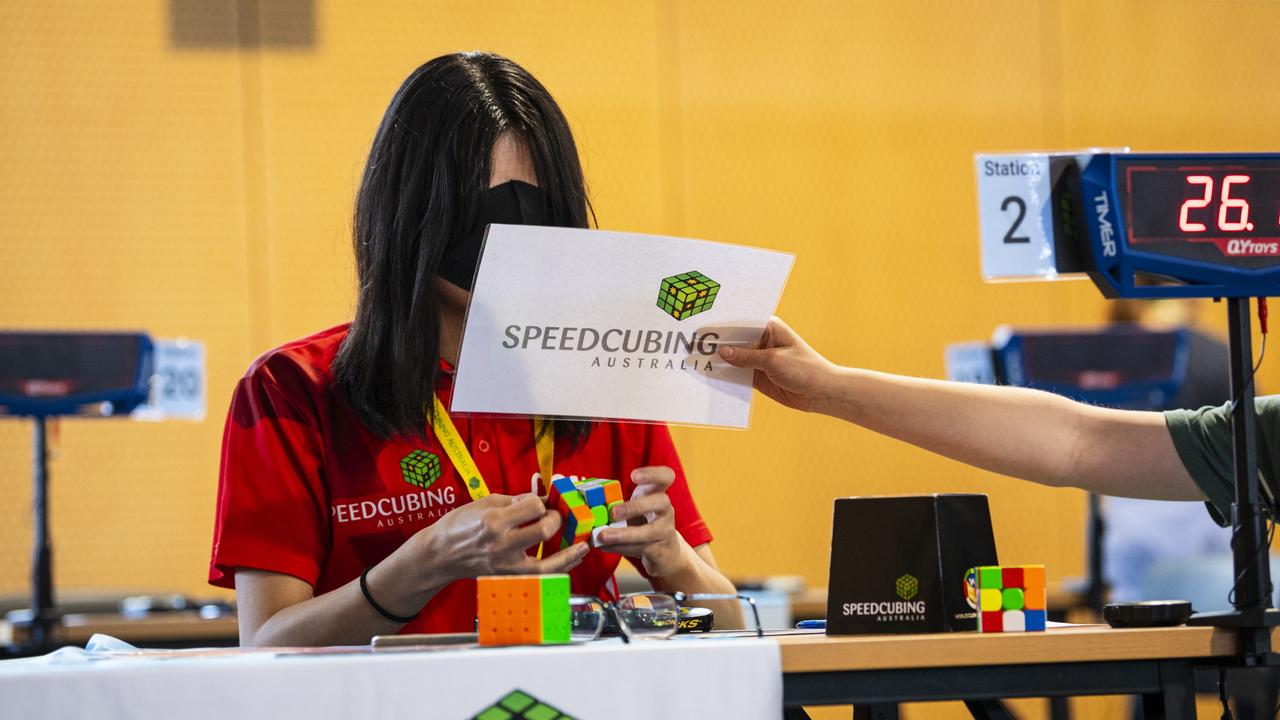
Local competitions often take place in unique and inviting venues. From convention centers in Fort Worth, Texas, to community halls in Richmond, BC, the setting can enhance the experience. These venues are chosen not just for capacity but for accessibility and ambiance.
When researching local events, consider the following factors:
- Accessibility: Is the venue easy to reach by public transport? Are there parking options available?
- Facilities: Does the location have enough tables for competitors? Is there seating for spectators?
- Atmosphere: Read reviews or ask past participants about the vibe. Some events are highly formal and intense, while others are relaxed and social, focusing on fun and learning.
Attending a local event doesn't require you to be a top-tier solver. Many locals welcome spectators and first-timers with open arms. Bringing a friend or family member to watch can provide moral support and help you acclimate to the environment before you step up to the table yourself.
Preparing for Competition: Equipment and Strategy
Preparing for a speedcubing competition involves more than just memorizing algorithms. It requires careful selection of equipment, physical conditioning, and mental preparation. In 2026, the technology available to solvers has advanced, offering tools that can give you a competitive edge.
Choosing the Right Cube
Not all cubes are created equal when it comes to competition. While you can technically use any cube, using a competition-grade speedcube is highly recommended. These cubes are designed for smooth turning, adjustable tension, and consistent performance under pressure.
Popular brands in 2026 include GAN, MoYu, and QingLong. When selecting a cube, consider:
- Tension Adjustment: Ensure the cube allows you to tighten or loosen the screws to match your grip style.
- Lubrication: High-quality synthetic lubricants reduce friction and improve turn speed. Most competitors arrive at events with their cubes pre-lubed and tuned.
- Stickers vs. Stickerless: Both are allowed, but stickerless cubes often provide better durability and a more premium feel.
It is advisable to bring at least two cubes to a competition. One serves as your primary solver, while the other acts as a backup in case of damage or malfunction. Judges will inspect your cubes before the event to ensure they meet WCA standards, so come prepared with clean, well-maintained equipment.
Mastering Algorithms and Methods
To compete effectively, you need a solving method that balances speed and efficiency. Common methods include CFOP (Cross, F2L, OLL, PLL), Roux, and ZZ. Each has its own learning curve and advantages.
- CFOP: The most popular method globally, known for its versatility and extensive library of algorithms.
- Roux: Favored by many European solvers for its intuitive block-building approach and lower move count.
- ZZ: Known for its efficient line generation and EOLC (Edge Orientation Last Layer) technique.
Regardless of the method you choose, investing time in learning advanced techniques is crucial. In 2026, online resources like YouTube tutorials, algopedia sites, and AI-driven training tools make learning faster and more accessible than ever. Dedicate hours each week to practicing finger tricks, lookahead, and pattern recognition.
Physical and Mental Conditioning
Speedcubing is as much a physical sport as it is a mental one. Your fingers need stamina to execute rapid sequences without fatigue, and your mind must remain sharp under the pressure of a running timer.
- Finger Exercises: Incorporate exercises that improve dexterity and strength, such as rubber band stretches or specialized finger trainers.
- Mental Focus: Practice mindfulness techniques to maintain concentration during solves. Visualization exercises can help you anticipate moves before they happen.
- Rest and Recovery: Ensure you get adequate sleep before competition days. Fatigue can lead to mistakes, especially in later rounds.
Many competitors find that joining a local group or finding a "study buddy" helps maintain motivation and accountability. Sharing goals and tracking progress together can significantly boost your performance.
Specialized Events and Professional Leagues
While standard WCA events cover the basics, 2026 sees the rise of specialized competitions and professional leagues that offer unique experiences and higher stakes. These events cater to specific interests and provide pathways for serious athletes to elevate their careers.
The Premier Speedcubing League (PSL)
The Premier Speedcubing League (PSL) represents the pinnacle of professional speedcubing in 2026. This league organizes six qualifying events across five locations leading up to a season-ending championship. Unlike traditional WCA events, the PSL focuses on branding, broadcasting, and cash prizes.
Competing in the PSL offers several advantages:
- Professional Exposure: Matches are broadcast on platforms like Speedcubing.TV, giving solvers a chance to build a personal brand.
- Cash Prizes: Winners of the season finale receive significant monetary rewards, recognizing speedcubing as a legitimate competitive sport.
- Optimized Formats: The league introduces innovative formats and rules tailored to maximize viewer engagement and competitive intensity.
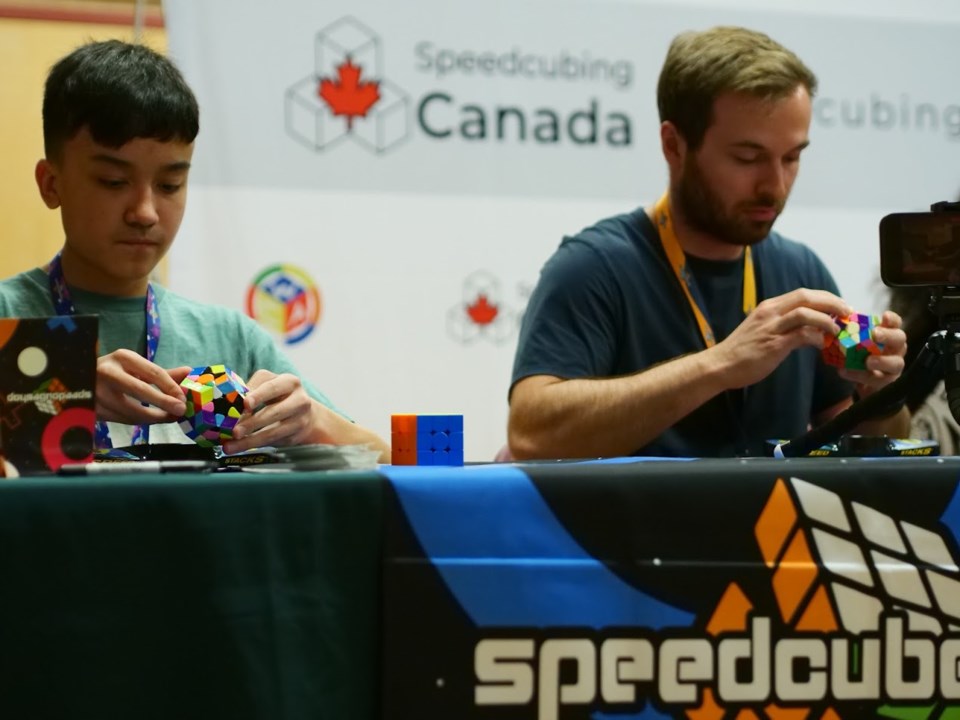
Qualifying for the PSL usually requires strong performances in local WCA events. Solvers who excel in regional championships often earn invitations to PSL qualifiers, creating a clear pathway from local clubs to the professional stage.
Blindfolded and Multi-Blind Events
For those seeking a greater challenge, blindfolded solving (BLD) and multi-blindfolded solving (MBLD) offer thrilling alternatives to standard events. These disciplines require solvers to memorize the cube's state and then solve it without looking, relying entirely on memory and algorithmic precision.
Events dedicated to BLD and MBLD attract a niche but passionate community. They test cognitive abilities far beyond mere finger speed, requiring deep strategic planning and visualization skills. Participating in these events can set you apart as a versatile and skilled competitor.
Unofficial and Themed Competitions
Not all competitions need to be WCA-sanctioned to be valuable. Unofficial events and themed competitions provide fun, low-pressure environments for solvers to experiment with new puzzles or formats. These events might focus on specific challenges, such as solving with one hand, using only certain algorithms, or competing with unusual puzzle shapes like the Pyraminx or Skewb.
Organizers of unofficial events often foster a strong sense of community, encouraging participation from solvers of all levels. Attending these gatherings can help you discover new interests within the hobby and connect with like-minded individuals who share your passion for creative problem-solving.
Overcoming Challenges and Maximizing Your Experience
Despite the welcoming nature of the speedcubing community, there are challenges to navigating, especially for first-time attendees. Understanding these potential hurdles and preparing accordingly can ensure a smooth and enjoyable experience.
Dealing with Nerves and Pressure
First-time competitors often struggle with anxiety. The sound of the timer starting, the eyes of the judges, and the fear of making a mistake can be overwhelming. Remember that every expert solver started as a beginner. Most competitors are focused on their own solves rather than scrutinizing yours.
To manage nerves:
- Practice Simulations: Run through your routine at home with a timer to simulate competition conditions.
- Breathing Techniques: Use deep breathing exercises to calm your nervous system before stepping up to the table.
- Positive Self-Talk: Replace negative thoughts with affirmations about your preparation and capabilities.
Handling Disappointments
Even the best solvers encounter bad days. A poor solve due to a slip-up or mechanical issue can be discouraging. It is essential to maintain perspective and view each competition as a learning opportunity rather than a definitive measure of your worth.
After a disappointing result:
- Analyze the Mistake: Review your solve to identify what went wrong. Was it a execution error, a missed algorithm, or a cube issue?
- Seek Feedback: Ask judges or fellow solvers for constructive feedback on your performance.
- Move On: Focus on the next event and the improvements you can make. Resilience is a key trait of successful competitors.
Networking and Growth
Finally, remember that speedcubing is a social sport. Take advantage of the downtime between rounds to chat with other participants. Exchange tips, trade cubes, or simply share stories about your solving journey. Building connections within the community can lead to friendships, mentorships, and future collaboration opportunities.
The social fabric of speedcubing extends far beyond the competition table itself. In 2026, the post-event gathering is often as significant as the solves themselves. Organizers increasingly structure events to include "debrief sessions" where participants can discuss their experiences, share struggles, and celebrate victories in a relaxed environment. These informal chats are where the most valuable mentorship happens. A seasoned competitor might notice a newcomer struggling with a specific step in the F2L stage and offer a quick tip that could save hours of practice time. Conversely, a veteran solver might be inspired by the fresh perspective a beginner brings to a complex problem. This exchange of knowledge ensures that the sport remains dynamic and that the culture of giving back to the community is actively maintained.
Furthermore, the integration of virtual elements into local events has created hybrid models that were unimaginable just a decade ago. While the core experience remains in-person, many local clubs now utilize augmented reality (AR) overlays during registration to help newcomers visualize their path through the event schedule. Some venues have even installed interactive screens that display live leaderboards, allowing spectators to track progress in real-time without needing to download additional apps. This technological infusion not only enhances transparency but also adds an extra layer of excitement for those watching from the sidelines. It transforms a quiet room filled with solvers into a bustling hub of activity, mirroring the energy of major sporting events while retaining the intimate, focused atmosphere that defines cubing.
The Economic Ecosystem of Local Competitions
Understanding the financial side of speedcubing is crucial for both organizers and participants. In 2026, the economic model supporting local competitions has become more diversified than in previous years. While registration fees remain the primary revenue stream for covering venue costs and judge stipends, there is a growing trend of corporate sponsorship and merchandise sales that subsidize entry for younger competitors.
Sponsors, ranging from puzzle manufacturers to tech companies interested in cognitive training, recognize the value of associating with the speedcubing demographic. These partnerships often result in reduced registration fees for students or specific prize packages that include high-end cubes, training software subscriptions, or cash prizes. For participants, this means that attending a local event in 2026 can be significantly more affordable than in the past, lowering the barrier to entry for families with limited budgets. Additionally, many local shops now host "cube cafes," where participants can purchase snacks, drinks, and branded gear before or after the event, creating a self-sustaining ecosystem that keeps money within the local community.
It is also important to note the role of volunteerism in keeping these costs low. The speedcubing community operates largely on a spirit of altruism. Judges, scramblers, and venue coordinators are almost exclusively volunteers who donate their time to facilitate these events. In return, they gain access to exclusive viewing areas, free meals, and the satisfaction of contributing to the sport's growth. Understanding this dynamic helps newcomers appreciate the effort put into organizing these gatherings and encourages them to consider volunteering themselves once they feel comfortable. Volunteering offers a unique behind-the-scenes look at how competitions run, providing insights into logistics, rule enforcement, and crowd management that are invaluable for anyone aspiring to organize their own event in the future.
Post-Competition Analysis and Record Keeping
Once the dust settles and the final scores are tallied, the work of a speedcuber truly begins. In 2026, the analysis phase is facilitated by advanced software tools that allow solvers to break down their performances with unprecedented detail. After every competition, participants are encouraged to review their solve logs using platforms like CubingStats or WCA Live. These tools provide granular data on every step of the solve, highlighting moments where time was lost due to hesitation, misreads, or execution errors.
For beginners, this data is eye-opening. Seeing exactly where a solve stalled—perhaps in the transition between F2L pairs or during OLL recognition—allows for targeted practice. Instead of blindly grinding algorithms, solvers can focus on the specific weak points identified by their performance metrics. This data-driven approach to improvement is a hallmark of the modern speedcuber and distinguishes serious competitors from casual enthusiasts.
Moreover, the preservation of records has become more transparent and accessible. The WCA database automatically updates world records, national records, and personal bests in real-time. In 2026, this means that if you set a new personal record at a local event, it is instantly visible to the global community. This immediate feedback loop serves as a powerful motivator, encouraging solvers to push their limits further. It also fosters a sense of connection to the broader history of the sport; you are not just solving a cube in isolation, but adding your name to a long lineage of achievements that stretches back decades.
Future Outlook: Where Speedcubing is Headed
As we look toward the horizon of 2026 and beyond, the trajectory of speedcubing points toward even greater integration with mainstream sports and technology. The sport is rapidly shedding its niche image and establishing itself as a legitimate competitive discipline with professional leagues, dedicated funding, and widespread media coverage. We can expect to see more standardized training facilities emerging in major cities, complete with simulators that replicate competition conditions with high fidelity.
Artificial Intelligence is also poised to play a larger role in training. AI-driven coaching systems will likely become commonplace, offering personalized feedback on solving techniques and suggesting custom drill sets based on a solver's specific weaknesses. These tools will democratize access to elite-level coaching, allowing amateurs to refine their skills with guidance previously reserved for top-tier athletes.
Additionally, the globalization of the sport will continue to accelerate. As internet connectivity improves in remote regions, local competitions in underserved areas will flourish, bringing diverse perspectives and styles into the fold. The cultural exchange inherent in speedcubing will deepen, with solvers from vastly different backgrounds collaborating and competing on a level playing field. The ultimate goal remains unchanged: to foster a community united by a shared passion for pattern recognition, dexterity, and the joy of solving. Whether you are joining your first local event in 2026 or aiming for the world stage, the journey is one of continuous learning, growth, and camaraderie.
Frequently Asked Questions
Q: Do I need prior experience to join a local speedcubing competition?
A: Absolutely not. One of the greatest strengths of the speedcubing community in 2026 is its inclusivity. Events are designed to welcome beginners, and many organizers specifically encourage first-timers to participate. There are no prerequisites other than having a basic understanding of how to hold and turn a Rubik's Cube. Most local events feature separate categories for minors and seniors, ensuring fair competition regardless of age or skill level. You can register directly through the WCA website or via third-party aggregators like CubingHeat, and simply show up on the day of the event.
Q: What should I bring to my first competition?
A: At a minimum, you should bring your cube(s), a timer (though most events provide these), and identification for check-in. Ideally, bring two cubes: a primary one that you are comfortable with and a backup in case of mechanical failure. It is also wise to bring a notebook or a device to record your times and notes, as well as some snacks and water, as competitions can last several hours. Don't forget your registration confirmation, either printed or digital, as you will need it for the check-in desk. Many competitors also bring a towel to clean their cubes if they prefer not to use the provided cleaning cloths.
Q: How much does it cost to compete, and are there refunds?
A: Registration fees vary depending on the size and location of the event. Small local meets might charge anywhere from $5 to $15, while larger regional championships can range from $30 to $50. Fees typically cover venue rental, judge stipends, and administrative costs. Regarding refunds, most organizers offer a partial refund if you cancel your registration before a specific deadline, usually a few days prior to the event date. However, cancellations made closer to the event date may not be eligible for a refund. Always read the specific terms listed on the event page when you register.
Q: Can I compete in multiple events during a single weekend?
A: Yes, many competitors participate in multiple events over a weekend, especially if they are traveling to a larger championship. However, this depends on the specific rules of each event and your physical stamina. Some smaller local events may have restrictions on how many rounds you can compete in per day to ensure fairness and prevent fatigue. It is always a good idea to check the regulations for each event you plan to attend. Additionally, keep in mind that traveling between venues requires planning, so factor in travel time when scheduling your participation.
Conclusion: Your Journey Begins Now
Joining local speedcubing competitions in 2026 is an invitation to join a vibrant, supportive, and rapidly evolving global community. The barriers to entry have never been lower, thanks to streamlined digital registration processes, inclusive event structures, and a wealth of resources available to newcomers. Whether you are driven by the thrill of competition, the desire to improve your mental agility, or the simple joy of solving puzzles, there is a place for you in the world of speedcubing.
The path from a casual solver to a confident competitor is paved with practice, curiosity, and connection. By taking the steps outlined in this guide—navigating the digital landscape, understanding the regulations, finding local events, and preparing your equipment—you are setting yourself up for a rewarding experience. Remember that every expert was once a beginner, and the speedcubing community is ready to welcome you with open arms. So, pick up your cube, find an event near you, and take that first step into a world where milliseconds matter and possibilities are endless. The next great solve, and perhaps your first podium finish, is waiting for you at your local competition.