Solving the Rubik's Cube is a journey of logic, pattern recognition, and muscle memory. However, for many enthusiasts, the true bottleneck lies in the final stage: the last layer. This is where beginners often feel stuck, overwhelmed by the sheer number of possible configurations. In 2026, the landscape of speedcubing has evolved, offering new tools, better visualization techniques, and refined algorithms that make learning the Rubik's cube last layer algorithms easy to remember more accessible than ever before. Whether you are a casual solver in Chicago looking to beat your personal best or an aspiring competitor in London aiming for the world stage, mastering this step is non-negotiable.
The standard method used by over 90% of speedcubers worldwide is known as CFOP (Cross, F2L, OLL, PLL). While the first two layers build the foundation, it is the last layer that demands precision. You must orient all top face stickers to one color (usually yellow) and then permute them into their correct positions. Historically, this required memorizing 57 Orientation of the Last Layer (OLL) cases and 21 Permutation of the Last Layer (PLL) cases. That is a total of 78 distinct algorithms to master. For a long time, this seemed like an insurmountable wall. But with modern mnemonic strategies and community-driven resources, we can break these down into manageable chunks.
In this comprehensive guide, we will explore the most effective strategies to memorize these sequences, focusing on patterns, triggers, and visual associations. We will dive deep into the specific algorithms that top solvers use in 2026, providing you with a roadmap to transform confusion into confidence. By the end of this article, you will understand not just what to do, but how to internalize the moves so they become second nature. Let's unlock the secrets of the final layer together.
Understanding the Final Challenge: OLL and PLL Explained
Before diving into the specific algorithms, it is crucial to understand exactly what you are trying to achieve. The last layer of the 3×3 Rubik's Cube presents two distinct problems that must be solved sequentially. If you try to fix both at once, you will likely scramble the cube further. The solution lies in separating these tasks into OLL (Orientation of the Last Layer) and PLL (Permutation of the Last Layer).
The Orientation Problem (OLL)
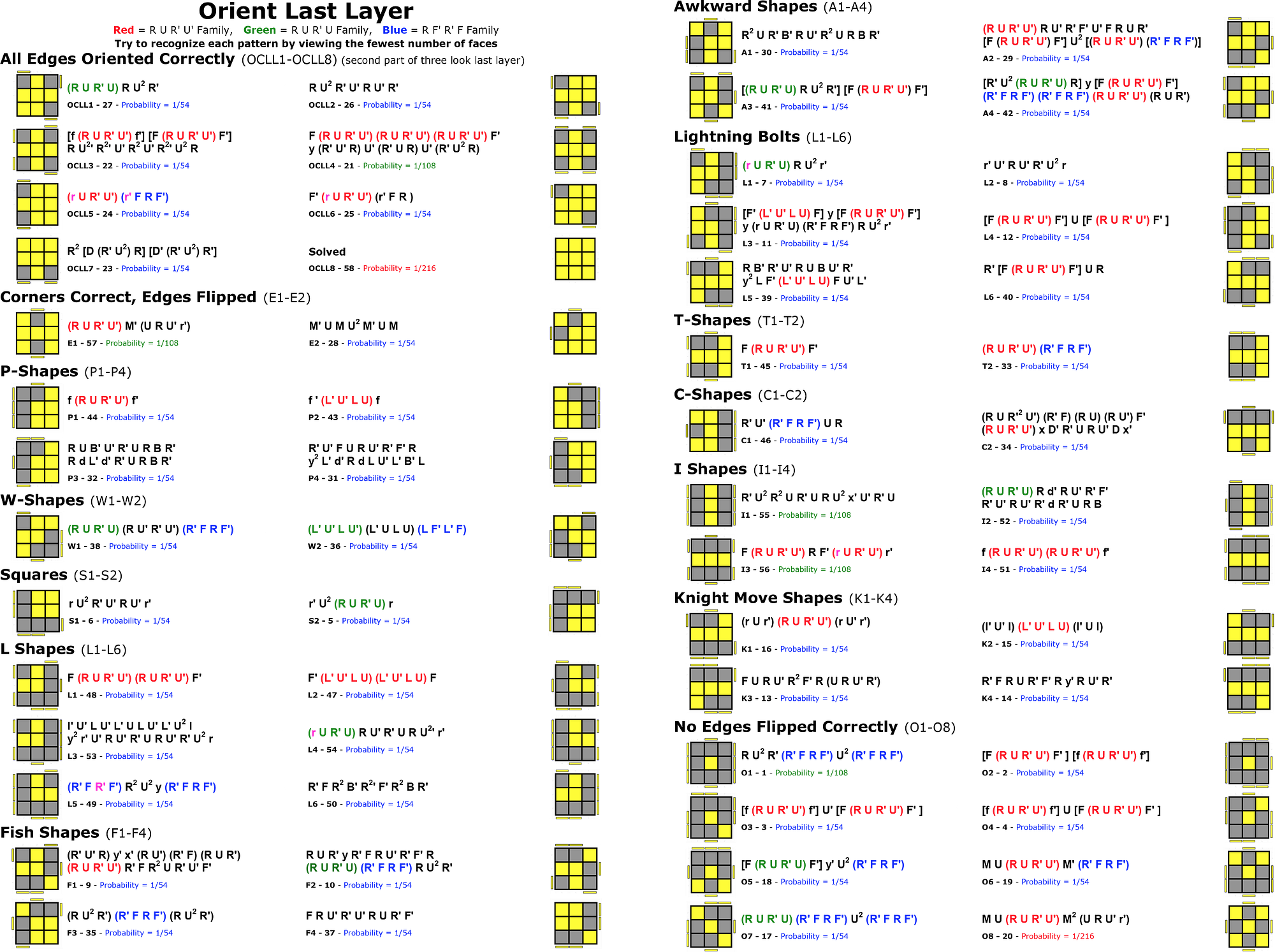
Imagine you have successfully solved the first two layers. Your bottom two faces are complete. Now, look at the top face. It might be a mix of colors: yellow edges, white corners, blue centers, etc. The goal of OLL is simple yet demanding: get every single sticker on the top face to be the same color (typically yellow). There are 57 unique scenarios where the top face looks different. Some look like a dot, others like an "L" shape, a line, a cross, or complex shapes involving multiple corners.
To solve OLL, you perform a specific algorithm that flips the orientation of the pieces without moving their relative positions on the top layer. Once OLL is complete, your entire top face will be a solid color, though the side colors of the top layer pieces might still be mismatched with the middle layer.
The Permutation Problem (PLL)
Now comes the tricky part. After OLL, you have a solid yellow face on top, but the cube isn't solved yet. The edge pieces might be in the wrong spots, and the corner pieces might be twisted or misplaced. This is the domain of PLL. There are only 21 standard PLL cases recognized in the CFOP method. These algorithms move the pieces around the top layer until every edge and corner is in its correct final position relative to the center pieces.
Think of OLL as painting the roof of a house yellow, and PLL as arranging the furniture inside so everything matches the floor plan. You cannot skip steps. Many beginners try to learn PLL before OLL because there are fewer cases (21 vs. 57), but experts often recommend learning full OLL first. Why? Because two-look OLL (doing orientation in two stages) is generally faster and requires less finger dexterity than two-look PLL for intermediate solvers. However, for sub-20 second solves, full OLL + Full PLL is the gold standard.
Why Memorization Feels Impossible
The reason so many people struggle with rubiks cube last layer algorithms easy to remember is that traditional rote memorization fails when faced with 78 unique sequences. Our brains are wired to recognize patterns, not random strings of letters and numbers. When you see R U R' U' R U2 R', your brain sees noise. To make this stick, we need to translate these mechanical moves into something your brain understands naturally: stories, shapes, and rhythms.
In 2026, the approach to cubing has shifted from pure repetition to pattern-based learning. Instead of memorizing the letter sequence blindly, you learn the "trigger"—a short, recognizable movement within the algorithm—and then attach the rest of the sequence to it. This reduces cognitive load significantly. Furthermore, the availability of high-quality video tutorials and interactive apps allows you to see the algorithm in 3D, engaging your spatial reasoning skills alongside your motor skills.
Mastering OLL: From 57 Cases to Visual Patterns
The Orientation of the Last Layer (OLL) is often cited as the most daunting part of speedcubing due to the volume of cases. With 57 algorithms to learn, it feels like a lifetime of study. However, the secret to making OLL easy to remember lies in grouping similar shapes and utilizing "triggers."
Grouping by Shape and Symmetry
Rather than learning case #1 through #57 in isolation, successful solvers group them by visual similarity. For instance, the "Dot" case (no yellow stickers visible) and the "Line" case (two opposite yellow stickers) share very similar starting motions. The "L" shape cases come in four rotations, and they all use a variation of the same core trigger.
By identifying these clusters, you reduce the mental effort required. If you know how to solve the "Small L" case, you can often derive the algorithm for the "Big L" case by simply adding an extra turn or reversing a section. This hierarchical learning method is far more efficient than treating every case as an island.
The Power of Triggers
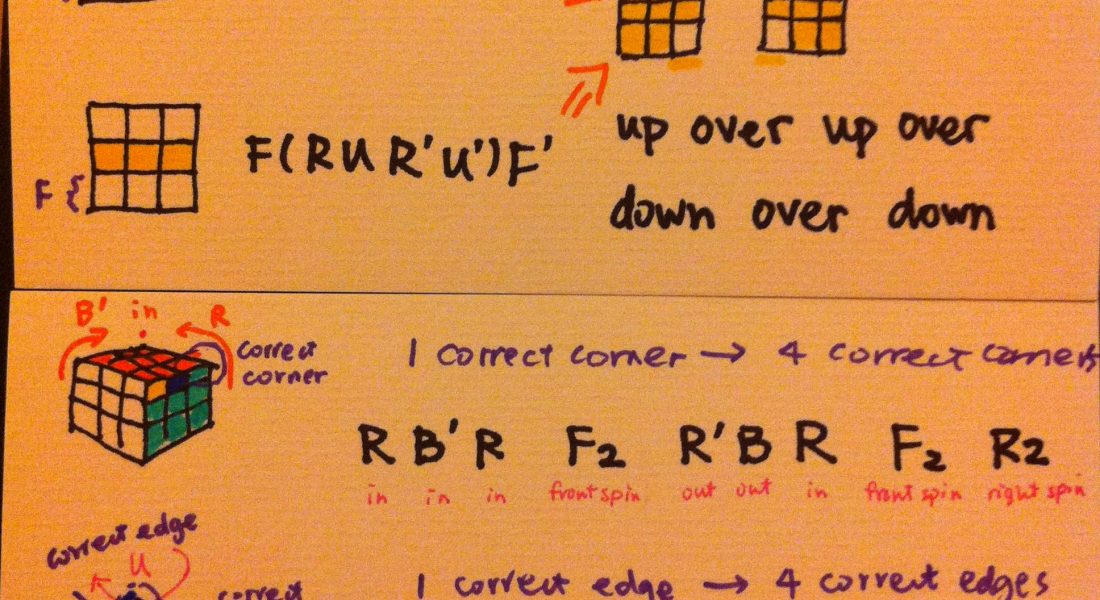
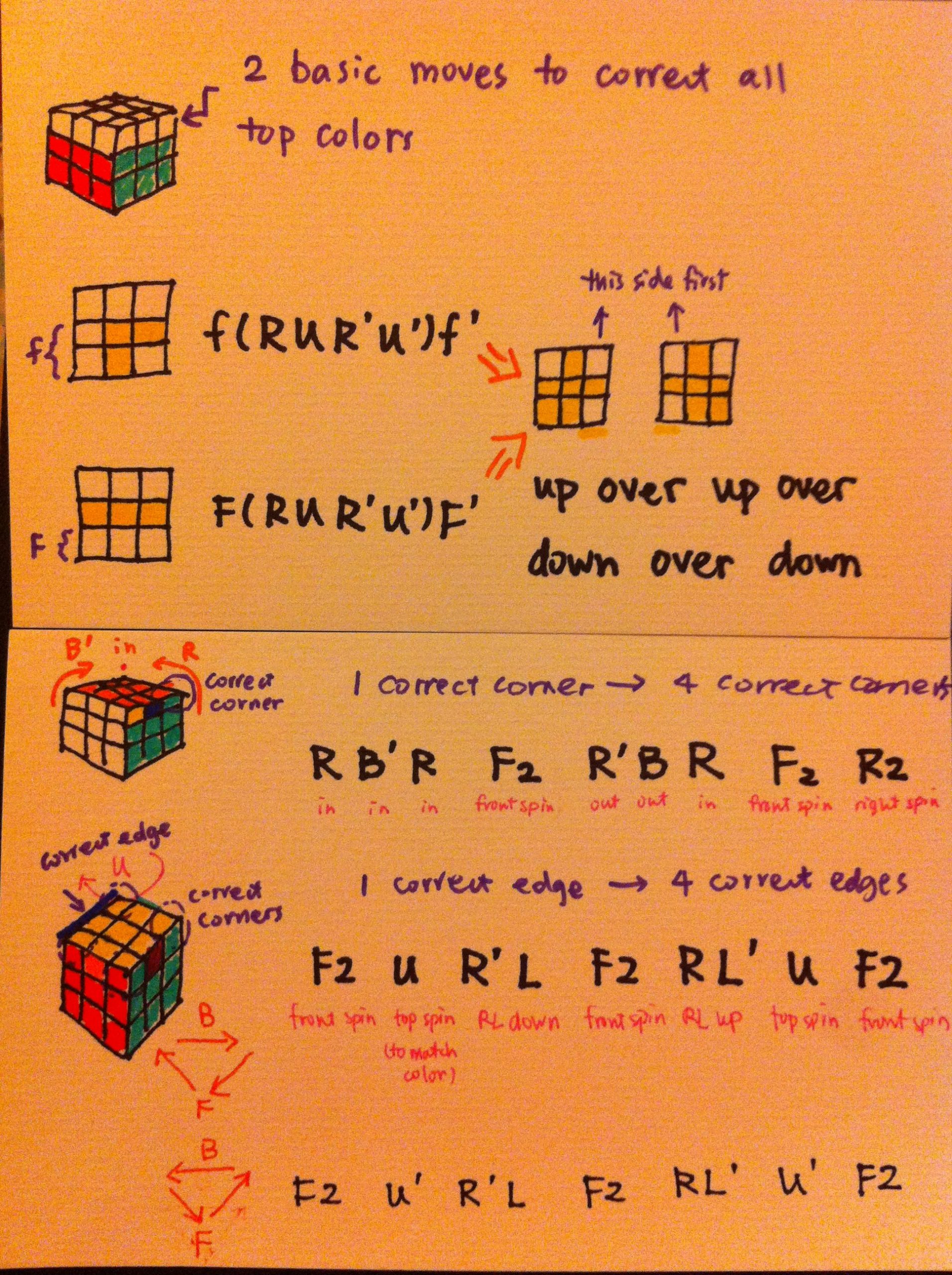
One of the most effective techniques shared by elite cubers in 2026 is the concept of the Trigger. A trigger is a short, repetitive sequence of moves that appears frequently across multiple algorithms. In many OLL cases, you will find a segment like (R U R' U') or (F' U' F U). Once you master these triggers, solving the full algorithm becomes much easier because you are essentially assembling a puzzle where the bricks are already familiar.
For example, consider the popular "Sune" algorithm used for several corner-oriented cases. It relies heavily on the R U R' U' trigger. If you can execute this trigger fluidly with your fingers, you are halfway to solving half of the OLL cases. The remaining moves are just variations—adding a U turn here, a D turn there, or extending the sequence slightly. This approach transforms 57 scary formulas into a few dozen building blocks.
Mnemonic Devices and Storytelling
For those who prefer a more creative approach, mnemonic devices are incredibly powerful. This involves creating a story or image that links the shape of the case to the name of the algorithm.
- The Dot Case: Imagine a single drop of water on a sunny windowpane. To solve it, you might visualize spinning that drop until it spreads out into a line.
- The T-Perm: The name itself gives a clue. Visualize a "T" shape made of clay. The algorithm twists the corners to form that "T".
- The Z-Perm: Think of the letter "Z" drawn in the air. The algorithm creates a zig-zag pattern of movement.
Many online communities, including Cube.Academy and SolveTheCube, provide lists sorted by these shapes. They encourage users to draw the patterns and write down the associated stories. In a local context, imagine forming a "Cubing Club" in your neighborhood where members share their favorite mnemonics. One person might remember the "Ju-perm" by thinking of a "Jumping Unicorn," while another thinks of "Jumping Up Right." These personal connections make the data stick forever.
Advanced Techniques for 2026
As we move into 2026, advanced solvers are incorporating AI-assisted recognition. Apps can now scan your cube (via camera) and tell you exactly which OLL case you have, suggesting the optimal algorithm based on your current finger style. Additionally, the integration of haptic feedback in smart cubes helps reinforce muscle memory. When you perform the correct trigger, the cube vibrates slightly, confirming your execution. While these gadgets are luxury items, the underlying principle remains the same: reduce the abstraction of letters and increase the sensory experience of the move.
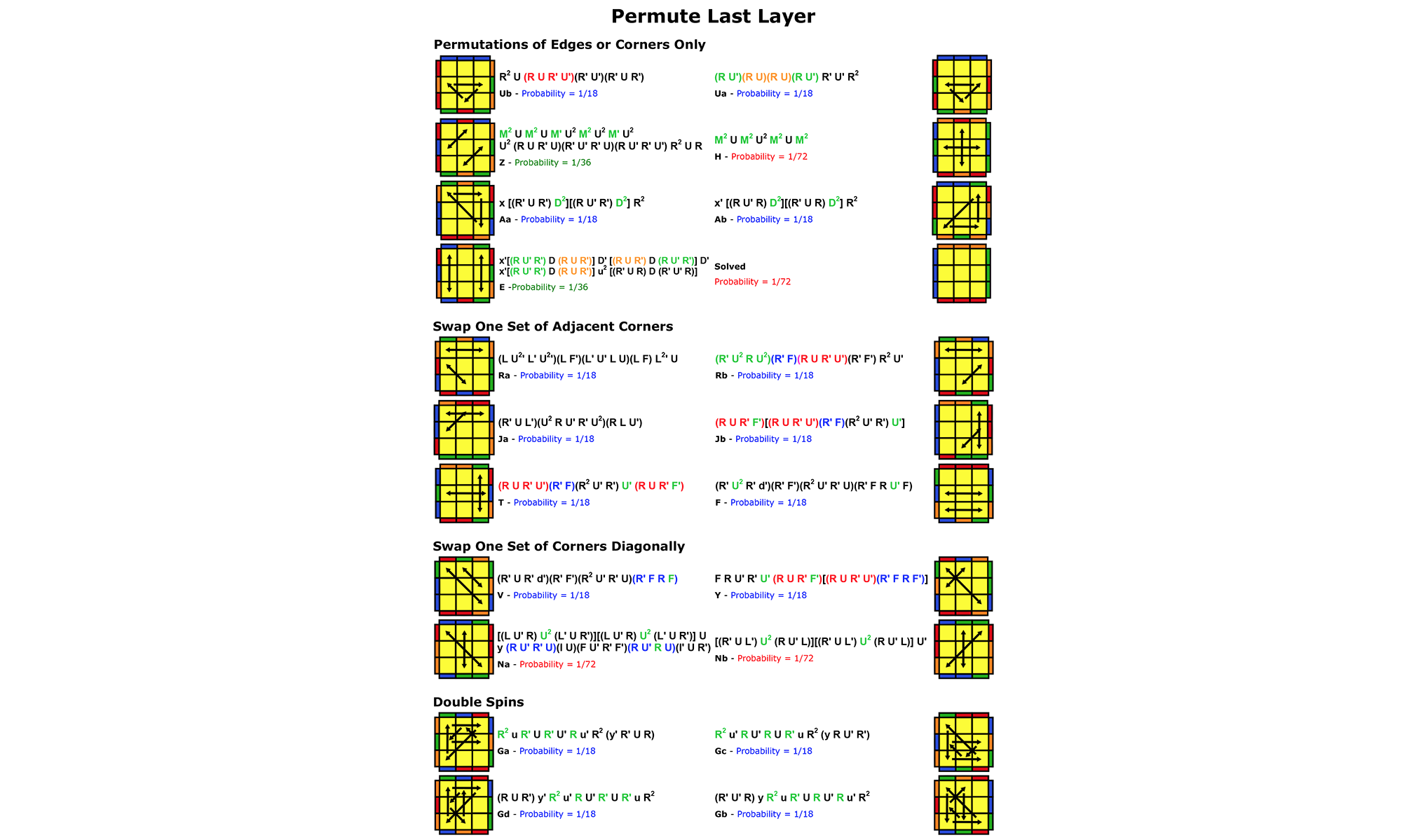
Decoding PLL: The 21 Cases That Finish the Puzzle
If OLL is about getting the color right, PLL is about getting the position right. Once your top face is solid yellow, you have 21 possible arrangements of the edges and corners. Learning these 21 PLL algorithms is the final hurdle before the cube is fully solved. Unlike OLL, which deals with orientation, PLL deals with permutation—moving pieces from one slot to another.
The Six Essential Groups
The 21 PLL cases can be categorized into six main groups based on which pieces are moving. Knowing the category immediately tells you roughly what the algorithm does, narrowing down your search.
- Corner Twists (Aa, Ab, E): These cases involve swapping two adjacent corners while twisting them. The "Aa" perm swaps the front-right and back-left corners. Visualizing the twist is key here.
- Edge Swaps (Ua, Ub, Z): These swap two edges. The "Z" perm is particularly famous for its symmetrical
M2 U M2start. It looks like a mirror reflection. - Three-Cycle Corners (T, V, Y): These rotate three corners clockwise or counter-clockwise. The "T" perm is arguably the most iconic, swapping two corners and two edges simultaneously.
- Three-Cycle Edges (N, H): These cycle three edges. The "H" perm is unique because it swaps opposite edges and rotates the whole layer, creating a checkerboard-like effect on the sides.
- Full Rotations (X, Y, Z): Sometimes the whole cube needs a slight rotation to align, though strictly speaking, these are often handled as setup moves rather than full PLL algorithms in some contexts.
- Special Cases (G, J): These are less common but appear in random solves.
Finger Tricks and Efficiency
Memorizing the algorithm is only half the battle; executing it quickly is the other. In 2026, the emphasis is heavily on finger tricks. Traditional hand-turning is too slow for competitive speeds. Top solvers use their index, middle, and ring fingers to flick the layers rapidly.
For example, in the H-Perm, instead of turning the whole cube, a skilled cuber might use a sequence like [R U' R] U [R U R' U'] where the bracketed parts are done with rapid finger flicks without re-gripping the cube. Learning these micro-movements is essential for anyone serious about rubiks cube last layer algorithms easy to remember in a practical sense. If you can't do the move fast enough, memorizing it doesn't help you win a competition.
The "Two-Look" Alternative
It is important to mention that not everyone needs to learn all 21 PLLs immediately. The Two-Look PLL method breaks the process into two steps: first orient the edges (using 2 algorithms), then permute the corners (using 2 algorithms), and finally permute the edges (using 2 algorithms). This totals only 6 algorithms.
While full PLL offers speed advantages, Two-Look PLL is excellent for beginners who want to finish the cube quickly without spending months memorizing sequences. Many local cubing shops in cities like New York and Tokyo offer workshops specifically teaching Two-Look PLL as a stepping stone. Once you are comfortable with the basics, transitioning to full PLL is a natural progression.
Strategic Learning Paths for Beginners and Experts
How you approach learning these algorithms depends entirely on your current skill level and goals. There is no "one size fits all" path. Below are tailored strategies for different types of solvers.
The Beginner Path: Simplicity First
If you are just starting, do not attempt to learn all 78 algorithms today. Start with the Beginner Method.
- Step 1: Learn the Cross and First Two Layers (F2L) intuitively.
- Step 2: Learn Two-Look OLL. This requires only about 10 algorithms. You solve half the top face, then flip the remaining pieces.
- Step 3: Learn Two-Look PLL. This requires only 6 algorithms. Swap corners, then swap edges.
- Goal: Be able to solve the cube consistently in under 2 minutes.
This path minimizes frustration. By solving the cube quickly, even if slowly, you build confidence and motivation. Resources like SolveTheCube and Hanna Morgan's guides (updated for 2026) excel at breaking down these initial steps with clear visuals.
The Intermediate Path: Building Momentum
Once you can solve the cube regularly, it's time to upgrade to Full OLL (Two-Look style) or begin learning Full PLL.
- Strategy: Focus on the most common cases first. Statistics show that about 80% of solves fall into the top 10 OLL cases and the top 5 PLL cases. Master these before worrying about the obscure ones.
- Technique: Start integrating finger tricks. Practice the "Sune" and "Anti-Sune" repeatedly until they become muscle memory.
- Practice: Use a timer. Solve the cube 50 times, focusing only on recognizing the pattern and executing the algorithm smoothly.
The Expert Path: Optimization and Speed
For those targeting sub-20 second solves or competitions, the goal is efficiency.
- Full OLL & Full PLL: You must know all 57 OLL and 21 PLL cases fluently.
- Look-Ahead: This is the hallmark of an expert. While executing one algorithm, your eyes must already be scanning the cube for the next case. This requires deep familiarity with all algorithms.
- Algorithm Substitution: Experts often have backup algorithms. If their primary
R U R' U'trigger feels slow in a specific situation, they instantly switch to a variant that flows better with their hand position. - Tool Integration: Utilize AI tools that analyze your solve times and suggest which specific algorithm to practice next to improve your weak points.
Overcoming Common Plateaus and Mental Blocks
Even with the best resources, solvers often hit walls. Here are some common challenges and how to overcome them using modern strategies.
The "Case Confusion" Syndrome
You know you have an algorithm for the "T-Perm," but when you see it, you can't recall whether it starts with R or L.
- Solution: Use Color Coding. Write down your algorithms in colored pens. Red for
R, Blue forL, Yellow forU. Seeing the colors helps your brain distinguish between similar-looking algorithms. - Solution: Create a Physical Chart. Print a large sheet with all 21 PLL cases and hang it near your desk. Review it daily for 5 minutes. Repetition builds neural pathways.
The Fear of Making Mistakes
Many solvers hesitate to try new algorithms because they fear messing up the cube mid-sequence.
- Solution: Practice on a scrambled state. Don't start from a solved cube. Scramble it, identify the case, and try to execute the algorithm. If you fail, don't panic. Analyze where you went wrong. Was it a missed turn? A slow grip? Fixing errors is where real learning happens.
Lack of Consistency
You can solve the last layer perfectly once, but then mess it up the next time.
- Solution: Spaced Repetition. Do not cram. Practice OLL for 15 minutes every day for a week, rather than 2 hours on Sunday. Daily micro-practice is scientifically proven to be more effective for long-term retention.
The Future of Cubing: Technology and Community in 2026
As we look toward the future of the puzzle community, technology is playing an increasingly vital role in how we learn rubiks cube last layer algorithms easy to remember. The year 2026 marks a shift from static PDFs and text-only forums to immersive, interactive learning environments.
Interactive 3D Simulators
Websites like Cube.Academy and Rubik's Mastery now offer browser-based 3D simulators. You can click on a case name, and a virtual cube will rotate in 360 degrees, showing you exactly how the pieces move. You can even pause, rewind, and slow down the animation to study the finger movements. This visual reinforcement is far superior to reading text descriptions.
AI-Powered Coaching
Artificial Intelligence is revolutionizing training. New apps use computer vision to watch you solve the cube via your webcam. If you make a mistake in an algorithm, the app alerts you instantly. It can also generate personalized practice sets based on your weaknesses. If you struggle with "J-Perm," the AI will give you 20 repetitions of that specific case until you master it.
Global Communities and Local Clubs
Despite digital advances, the human element remains crucial. Local cubing clubs in major cities continue to thrive. These clubs provide a space for social learning, where experienced solvers mentor beginners. In 2026, we are seeing a resurgence of "Algo Nights" where groups gather to learn one new algorithm together, sharing their own mnemonic stories and finger tricks. This blend of global digital resources and local community support creates a robust ecosystem for growth.
The integration of these technological tools does not replace the fundamental need for physical practice; rather, it accelerates the path to mastery. When you combine a 3D simulator with your actual cube, you create a feedback loop that engages both your visual cortex and your motor neurons. This dual-coding strategy is scientifically proven to enhance memory retention. Imagine standing in front of your cube, watching a holographic projection of the algorithm above it, and simultaneously performing the moves. The sensory overload forces your brain to commit the sequence to long-term memory much faster than rote repetition alone ever could.
Furthermore, the social aspect of cubing has evolved into a global digital network. Platforms like YouTube have transitioned from being mere repositories of video tutorials to interactive learning hubs. Creators now utilize "speed-painting" techniques where they solve the last layer at maximum speed while narrating their thought process, explaining exactly why they chose a specific finger trick or how they recognized the pattern instantly. These videos often include downloadable cheat sheets that categorize algorithms by difficulty and trigger type, allowing solvers to curate their own learning path. In 2026, it is common to see "challenge streams" where streamers attempt to learn a new set of 10 algorithms live on air, inviting viewers to submit mnemonics and tips in real-time. This collaborative environment ensures that no one has to struggle alone.
Building Your Personal Algorithm Library
As you progress, you will naturally begin to develop a personal library of algorithms. What works for one solver might feel awkward for another due to differences in hand size, dexterity, and comfort levels. Therefore, the most effective approach is to treat your algorithm collection as a customizable toolkit rather than a rigid rulebook.
Customization Through Trigger Variation
One of the hallmarks of an expert solver is the ability to adapt standard algorithms to fit their specific finger style. For instance, the classic Sune algorithm (R U R' U' R U2 R') can be executed in several ways. Some solvers prefer starting with the right hand, while others find it smoother to start with a left-hand setup move. By experimenting with different entry points, you can find the variation that requires the least amount of wrist rotation and the most fluid finger flicks.
When building your library, keep a dedicated notebook or digital document where you record your preferred variations. Note down:
- The case name (e.g., Sune).
- Your primary algorithm.
- A secondary backup algorithm in case the primary one feels stuck or slow in a specific scramble.
- Your personal mnemonic for remembering the sequence.
Over time, this personalized list becomes invaluable. During a competition or a timed solve, having a backup ready can save precious seconds when your primary algorithm fails due to muscle fatigue or unexpected piece orientation.
The Role of Muscle Memory in Recall
True mastery of rubiks cube last layer algorithms easy to remember transcends conscious recall. It reaches a state where the algorithm executes automatically upon recognizing the pattern. This is known as muscle memory. Achieving this state requires thousands of repetitions, but the quality of those repetitions matters more than the quantity.
To build strong muscle memory, focus on consistency over speed. Start by executing the algorithm slowly, ensuring every turn is precise and every sticker lands in its correct position. Only increase the speed once the movement feels natural and error-free. This gradual progression prevents the formation of bad habits that are difficult to unlearn later. Additionally, practicing algorithms in random order rather than sequentially helps solidify the distinction between similar cases, preventing confusion during actual solves.
Advanced Mnemonics: From Stories to Sound
While visual patterns and triggers form the backbone of OLL and PLL memorization, advanced solvers often employ more sophisticated mnemonic techniques to cement their knowledge. These methods go beyond simple images, utilizing sound, rhythm, and even emotional associations to make the algorithms unforgettable.
Rhythmic Memorization
Many elite cubers treat algorithms like musical compositions. They assign a rhythm or beat to the sequence of moves, turning R U R' U' into a distinct tap-tap-pause-tap pattern. By internalizing the rhythm, the solver can execute the algorithm almost instinctively, as if playing a familiar song. This technique is particularly effective for longer algorithms like certain PLL cases that involve multiple cycles.
Try clapping or tapping your knee to the rhythm of the algorithm while solving it. Once the rhythm is ingrained, close your eyes and try to "hear" the algorithm in your head before performing it. This auditory reinforcement creates a multi-sensory anchor that makes recall incredibly reliable under pressure.
Emotional Anchoring
Another powerful technique is associating an algorithm with a specific emotion or memory. For example, you might associate the chaotic energy of the T-Perm with a feeling of excitement or triumph, linking the rapid corner swap to a moment of victory in your life. Conversely, you might link the smooth, flowing motion of the H-Perm to a sense of calm or balance.
When you face a difficult scramble, recalling the emotion associated with the algorithm can help trigger the correct sequence. If you feel stressed, think of the calming H-Perm; if you feel energized, summon the T-Perm. This psychological conditioning turns abstract math into a tangible experience, making the algorithms feel less like chores and more like tools for empowerment.
The Psychology of Speed Solving: Mindset Matters
Beyond the mechanics and mnemonics, the psychology of speed solving plays a crucial role in mastering the last layer. The pressure of a timer can induce anxiety, leading to "choking" where even well-practiced algorithms fail. Developing a resilient mindset is just as important as memorizing the sequences.
Managing Performance Anxiety
It is normal to feel nervous before a solve, especially when attempting new algorithms. However, experienced solvers learn to reframe this anxiety as excitement. Instead of thinking "I hope I don't mess up," they think "I am excited to see what happens." This shift in perspective reduces cortisol levels and improves fine motor control.
Practice visualization exercises daily. Close your eyes and imagine yourself successfully solving the last layer, feeling the satisfaction of the final click. Visualize not just the moves, but the feeling of confidence and flow. Studies show that mental rehearsal activates the same neural pathways as physical practice, effectively preparing your brain for success before you even touch the cube.
Embracing Failure as Data
In the journey to master rubiks cube last layer algorithms easy to remember, failure is not a setback; it is data. Every mistake provides information about where your understanding is weak. Did you forget the algorithm because you didn't recognize the shape? Was it because your finger tricks were too slow? Did you miscount the turns?
Keep a "mistake log" alongside your algorithm notes. Record every instance where you struggled with a specific case, along with the context (time pressure, fatigue, etc.). Reviewing this log regularly helps you identify patterns in your errors and address them systematically. Over time, you will notice that the same mistakes rarely happen twice, indicating true mastery.
Frequently Asked Questions About Last Layer Mastery
Even with comprehensive guides, solvers often have specific questions that arise during their learning journey. Here are answers to some of the most common queries regarding last layer algorithms in 2026.
Q: Do I really need to learn all 57 OLL cases?
A: While it is possible to solve the cube using "Two-Look OLL" (learning only about 10-12 algorithms), mastering all 57 is highly recommended for serious speedcubers. Two-Look OLL adds extra steps to your solve, which can cost several seconds per attempt. Full OLL allows for smoother transitions and faster overall times. However, if your goal is simply to solve the cube casually, Two-Look is a perfectly valid and efficient starting point.
Q: How long does it take to memorize all PLL cases?
A: With consistent practice, most intermediate solvers can memorize all 21 PLL cases within 2 to 4 weeks. The key is daily exposure. Spending just 15 minutes a day reviewing the cases and practicing them in random order yields better results than cramming for hours once a week. Remember, PLL is generally easier to learn than OLL because there are fewer cases and many share similar triggers.
Q: Can I use shortcuts instead of full algorithms?
A: Yes, many experienced solvers use "shortcuts" or variants of standard algorithms that achieve the same result but with fewer turns or smoother finger movements. These are often developed individually based on hand anatomy. However, ensure that any shortcut you use is reliable and doesn't compromise your ability to recognize the case quickly. Consistency is paramount in competitive settings.
Q: What is the best way to practice recognition vs. execution?
A: Separate your practice sessions. Dedicate one session purely to recognition: scramble the cube, look at the last layer, and verbally call out the algorithm name without moving the pieces. Another session should focus on execution: solve the cube normally, but concentrate solely on performing the algorithms smoothly and quickly. Mixing these initially can lead to confusion, so keeping them distinct helps build both skills effectively.
Conclusion: The Journey Beyond the Last Layer
Mastering the Rubik's Cube last layer algorithms easy to remember is a transformative experience that extends far beyond the mechanics of twisting plastic squares. It is a lesson in patience, pattern recognition, and the power of structured learning. As we have explored throughout this guide, the path from confusion to confidence is paved with strategic grouping, mnemonic creativity, and relentless practice. Whether you choose to dive deep into the 57 OLL cases or stick to the simpler Two-Look methods, the principles of effective learning remain the same: break it down, connect it to something meaningful, and repeat until it becomes second nature.
In 2026, the tools available to solvers are more powerful than ever, yet the core of the challenge remains human. The joy of cubing lies not just in the final solved state, but in the journey of discovery. Every algorithm you learn adds a new color to your mental palette, every trigger you master sharpens your reflexes, and every successful solve boosts your confidence. So, pick up your cube, embrace the complexity of the last layer, and remember that even the most intricate patterns are built from simple, repeatable steps. The world of speedcubing awaits those who dare to learn, adapt, and persevere. Keep solving, keep improving, and let the rhythm of the cube guide you to new heights.