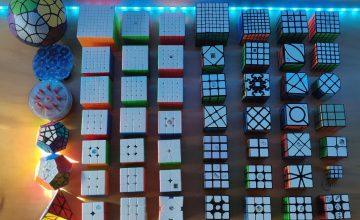
Welcome to the definitive guide on how to practice rubiks cube solves effectively every day in 2026. Whether you are a beginner trying to solve your first scrambled puzzle or an aspiring speedcuber aiming for a sub-10 second average, the path to mastery lies not in raw talent alone, but in structured, deliberate daily practice. In the vibrant cubing community of 2026, the gap between a casual solver and a competitive athlete is defined by consistency and strategy. This article serves as your comprehensive roadmap, blending timeless fundamentals with the latest advancements in equipment technology and cognitive training methods.
The journey of speedcubing is unique because it combines physical dexterity with intense mental processing. You are essentially training your brain to recognize patterns instantly while your fingers execute complex motor skills at high speeds. To truly break barriers and hit those elusive sub-20 or sub-10 solve times, you need a structured approach that goes beyond simply scrambling and solving repeatedly. This guide will walk you through the essential components of effective daily practice, ensuring you maximize your potential while avoiding common pitfalls like burnout or bad habits.
Building a Sustainable Daily Cubing Routine
The most critical factor in improving your solve times is establishing a routine that balances intensity with recovery. Many beginners make the mistake of treating cubing like a chore, forcing themselves to sit at the table for hours when they lack motivation. However, the consensus among top speedcubers in 2026 is clear: cubing should never feel like a burden. If you force yourself to practice when you aren't feeling it, you risk frustration and a loss of enjoyment, which are the enemies of progress.
The Psychology of Deliberate Practice
Effective practice is distinct from mere repetition. It requires conscious (deliberate) practice, where every move has a specific intent to improve a weakness. For instance, if you struggle with the OLL (Orientation of the Last Layer) step, don't just solve random cubes; spend twenty minutes specifically drilling the algorithms you find difficult. This targeted approach ensures that your brain is actively forming new neural pathways rather than just reinforcing existing ones.
On the flip side, there is immense value in subconscious (repetitive) practice. Sometimes, stepping away from the cube entirely can lead to breakthroughs. As noted by experts in the field, taking a short break of a few days can allow subconscious processing to occur, often resulting in faster solves upon your return. The key is self-motivation. You must cultivate an internal drive where the joy of the "flow state" outweighs the pressure of the timer.
Structuring Your Time: Quality Over Quantity
You do not need to cube for three hours straight to see results. In fact, focusing on quality over quantity yields better long-term results. A highly effective daily session might look like this:
- 5–10 Minutes: Warm-up solves (slow, untimed, focusing on smoothness).
- 30 Minutes: Focused drills on specific steps (e.g., F2L lookahead).
- 20 Minutes: Timed solves using a WCA-compliant timer to simulate competition pressure.
- 10 Minutes: Analysis of recorded solves to identify errors.
This structure ensures you cover all aspects of speedcubing without exhausting your mental energy. Remember, consistency beats intensity. Practicing for 45 minutes every single day is far more effective than practicing for four hours once a week.
Mastering the Fundamentals: Warm-Ups and Equipment
Before diving into high-speed solves, you must prepare your body and your gear. Just as athletes warm up before a race, speedcubers need to prime their fingers and joints to prevent injury and fatigue. Furthermore, in 2026, the right equipment is no longer a luxury; it is a necessity for serious improvement.
The Importance of a Proper Warm-Up
Skipping the warm-up is one of the most common mistakes among solvers. Starting cold leads to stiff fingers, poor rotation control, and increased frustration during difficult scrambles. Spend the first 5 to 10 minutes of your session doing slow, untimed solves. The goal here is not speed; it is flow. Focus on the sensation of turning the layers smoothly and transitioning between moves without hesitation.
During this phase, concentrate on your finger tricks. Are your fingers moving efficiently? Are you rotating the cube unnecessarily? Slow solving allows you to correct these mechanical inefficiencies. By the time you reach your timed sessions, your muscles should be loose, and your brain should be primed for pattern recognition.
Selecting the Right Speedcube for 2026
The market for speedcubes has evolved dramatically, with 2026 seeing the widespread adoption of advanced magnetic technologies and ball-core mechanisms. Choosing a cube that matches your playing style is crucial for effective practice.
For beginners and intermediates looking for stability and a premium feel, the GAN 356 M remains a top choice. Known for its iconic honeycomb design and adjustable magnets, it offers a consistent experience that helps build confidence. Its smooth glide allows solvers to focus on technique rather than fighting the cube's resistance.
For those pushing towards advanced levels, modern options like the Cubelelo MoYu Super RS3M Ball-Core provide incredible stability. The ball-core mechanism reduces wobble, making it significantly easier to execute complex finger tricks without the cube locking up. Similarly, the Cubelelo Drift 3M Plus v2 utilizes updated MagLev technology to maintain better control during high-speed turns, allowing for smoother transitions between algorithms.
Don't forget maintenance. A dusty or dry cube can ruin your practice session. Regularly clean your cube and apply high-quality lubricants like FZ-Stealth Lube to ensure optimal performance. In 2026, customizable tension systems found in cubes like the Tornado V5 allow you to fine-tune the feel to match your specific grip and speed preferences.
Developing Advanced Cognitive Skills: Lookahead and Pattern Recognition
Once your basics are solid, the focus must shift to cognitive efficiency. The single biggest limiter for intermediate cubers is the "pause"—the momentary stop between steps where the brain searches for the next piece. Eliminating these pauses is the secret to breaking into lower time brackets.
The Art of Lookahead
Lookahead is the ability to plan your next move while executing the current one. Instead of finishing a pair of pieces, stopping, and then searching for the next pair, a skilled solver identifies the next pair while inserting the current one. This creates a continuous flow of motion that drastically reduces solve time.
To develop this skill, practice "slow solving." Set a timer, but solve at a constant, deliberate pace. Do not rush. Your only goal is to maintain momentum from the Cross through F2L, OLL, and PLL without ever stopping. As you get comfortable with this pace, gradually increase your speed. This method forces your brain to stay ahead of your hands, building the muscle memory required for high-level lookahead.
Algorithm Efficiency and Muscle Memory
Algorithms are the vocabulary of speedcubing. While memorization is important, execution efficiency is paramount. Every millisecond counts. If you struggle with a specific OLL or PLL algorithm, dedicate time each day to drill it. Repeat the algorithm 50 to 100 times, focusing not just on the notation, but on how your fingers move.
In 2026, many solvers utilize AI-driven apps and online platforms to generate random scrambles and track their algorithm execution times. These tools provide immediate feedback, helping you identify hesitations. Aim for smooth and precise execution with minimal hesitation. Over time, these algorithms should become second nature, requiring no conscious thought from your brain.
Strategic Drill Workouts for Specific Weaknesses
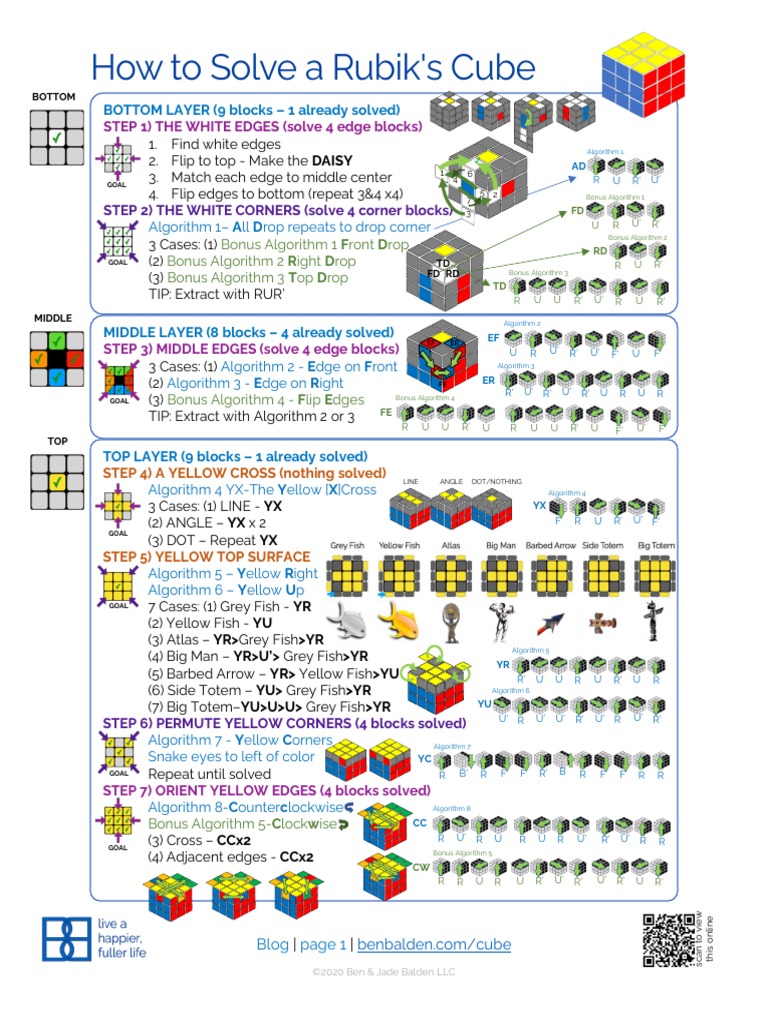
A well-rounded practice session includes targeted drills designed to address specific weaknesses. Rather than solving random cubes, structure your practice around the four main stages of the CFOP method: Cross, F2L, OLL, and PLL.
Cross Practice: The Foundation
The cross is the first step and sets the tone for the entire solve. In 2026, efficient cross planning is vital. During the inspection phase (the 15 seconds before you start), visualize your cross and plan your first two moves. Practice solving the cross quickly and efficiently, minimizing the number of rotations needed. A fast, intuitive cross frees up mental energy for the more complex F2L stage.
F2L Efficiency: Pairing and Insertion
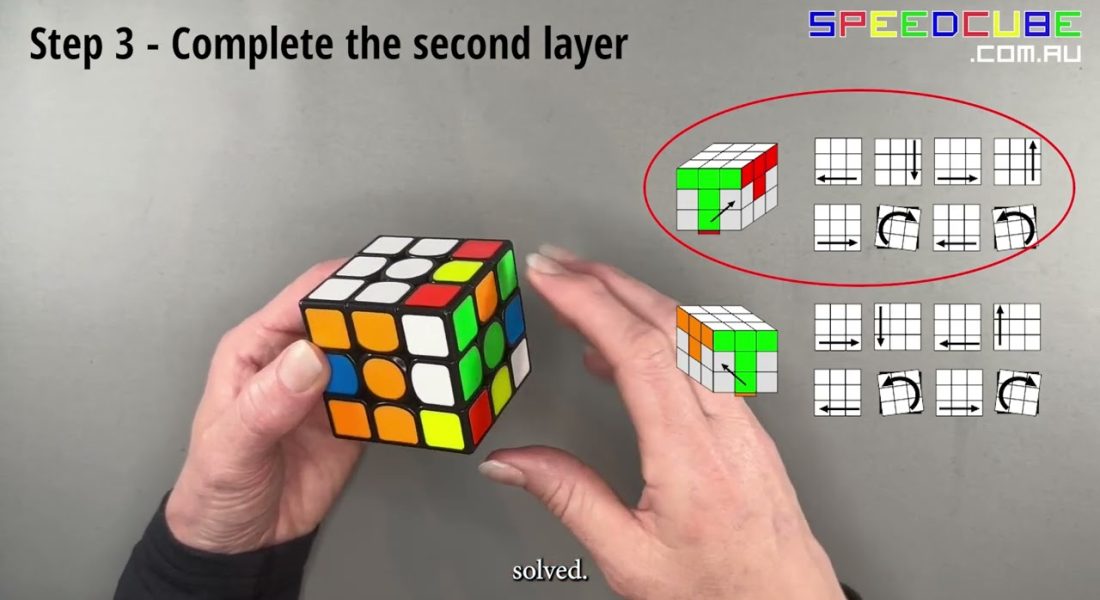
F2L (First Two Layers) is widely considered the most critical step for speed improvement. It involves pairing corner-edge pieces and inserting them simultaneously. To master this, focus on recognizing F2L pairs instantly. Develop the habit of looking at the bottom layer while solving the top layer to spot potential pairs.
Practice specific F2L scenarios repeatedly. There are hundreds of cases, but mastering the most common ones will yield the highest returns. Use resources like CubeSkills or WCA tutorials to learn efficient insertion techniques that minimize cube rotations.
OLL and PLL: The Final Push
The last layer consists of Orientation of the Last Layer (OLL) and Permutation of the Last Layer (PLL). These steps require memorizing numerous algorithms. While learning all 57 OLL and 21 PLL algorithms is the ultimate goal for sub-10 solvers, intermediate solvers should focus on mastering the most frequently occurring cases first.
Dedicate specific drill sessions to these algorithms. For example, spend 15 minutes drilling only the "Sune" and "Anti-Sune" algorithms until you can execute them flawlessly under pressure. Consistent daily drilling builds the muscle memory necessary to perform these complex sequences at high speeds without looking at the cube.
Leveraging Technology and Data Analysis
In the modern era of cubing, technology plays a pivotal role in accelerating progress. From AI-powered scanning to video analysis software, tools available in 2026 offer unprecedented insights into your solving mechanics.
Recording and Analyzing Solves
One of the most effective ways to spot bad habits is to record yourself solving. Watch your replays critically. Are you rotating the cube too much? Are your finger flicks inconsistent? Compare your technique to professional speedcubers on platforms like YouTube. You might discover that a more responsive cube or a slight adjustment in your grip could significantly improve your control.
Many solvers now use dedicated cubing timers that sync with mobile apps to generate detailed statistics after every session. These reports highlight areas for improvement, such as average turn speed, pause frequency, and specific algorithm execution times.
Utilizing Online Resources and Communities
The internet is a treasure trove of cubing knowledge. Websites like CubeSkills, TheCubicle, and Rubik's Cube Hub offer comprehensive guides, animations, and interactive tools. Platforms like Déjà Cube introduce a gamified element, where everyone gets the same daily scramble, fostering a sense of community and friendly competition.
Engage with local cubing groups or online forums. Sharing your progress and seeking feedback from experienced solvers can provide motivation and new perspectives on your technique. In cities with active cubing scenes, attending local meetups can be invaluable for networking and learning from peers.
Avoiding Burnout and Maintaining Long-Term Motivation
Perhaps the most overlooked aspect of effective practice is mental health and sustainability. Speedcubing is a marathon, not a sprint. Pushing too hard without rest can lead to burnout, causing you to lose interest entirely.
The Power of Rest
Never be afraid to take time off. Some of the best personal bests (PBs) have been achieved after a week of not touching a cube. Stepping away allows for subconscious processing, where your brain continues to refine skills even when you aren't physically solving. When you return to the cube, you often find that your previous frustrations have dissolved, and your solves feel smoother.
Keeping It Fun
Remember why you started cubing in the first place: fun and enjoyment. If practice becomes a chore, revisit your motivation. Try learning new patterns, attempting blindfolded solves, or participating in casual competitions. The variety keeps the experience fresh and engaging. As long as you remain motivated, the amount you practice won't matter; you can practice for hours without burning out if the activity brings you joy.
Conclusion: Your Path to Mastery in 2026
Mastering the Rubik's Cube is a journey of continuous improvement. By implementing the strategies outlined in this guide—establishing a consistent routine, warming up properly, developing lookahead skills, and leveraging technology—you can effectively practice rubiks cube solves every day and see remarkable progress. Remember that progress is cumulative; small improvements add up over time to create massive gains.
Whether you are aiming to beat your personal record or simply enjoying the challenge of the puzzle, the key lies in deliberate practice and enjoyment. Stay patient, stay curious, and keep turning those layers. In 2026, the world of speedcubing is more accessible and supportive than ever, offering endless opportunities for growth. Start your daily practice today, and watch your solve times plummet.
Frequently Asked Questions (FAQ)
Q: How long should I practice the Rubik's Cube every day?
A: For optimal results, aim for 45 minutes to 1 hour of focused practice daily. This duration is sufficient to build muscle memory and improve cognitive skills without causing fatigue or burnout. Quality matters more than quantity; a shorter, focused session is better than a long, distracted one.
Q: What is the best method for beginners to learn?
A: The CFOP method (Fridrich Method) is widely regarded as the most efficient technique for speedcubing. It breaks the solution down into four steps: Cross, F2L, OLL, and PLL. While it requires memorizing algorithms, it offers the fastest route to sub-20 second averages once mastered.
Q: Can I improve without buying expensive cubes?
A: Yes, you can absolutely improve with any standard 3×3 cube. However, investing in a high-quality magnetic speedcube with smooth bearings can enhance your experience and help you execute finger tricks more easily. That said, technique always trumps equipment; a good solver can achieve great times with a budget cube.
Q: How do I overcome plateaus in my solving times?
A: Plateaus are normal. To break through, try changing your practice focus. If you've been working on F2L, switch to OLL drills. Take a short break to reset your mind, or analyze your solves to identify subtle bad habits. Sometimes, simply relaxing and having fun can lead to unexpected breakthroughs.