
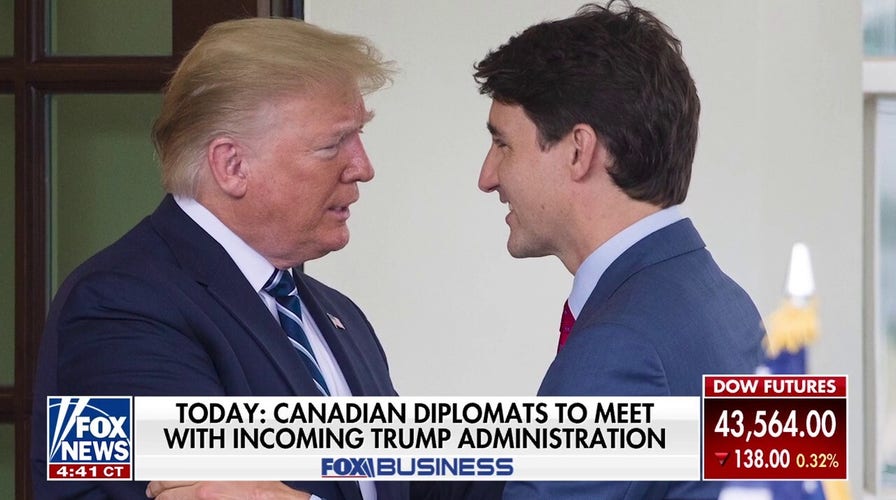
The global energy landscape has shifted dramatically under the renewed pressure of Donald Trump's trade doctrine in 2026. At the heart of this geopolitical storm is a stark ultimatum delivered directly from Washington to Brussels: Europe must purchase significantly more American oil and gas, or face devastating tariffs on European exports. This move marks a pivotal moment in transatlantic relations, reigniting fears of a full-blown trade war that could reshape energy markets, inflation rates, and economic stability across the globe. As we navigate through 2026, the intersection of energy dominance, trade deficits, and protective tariffs has created a volatile environment where billions of dollars hang in the balance.
For decades, the relationship between the United States and the European Union (EU) was defined by shared democratic values and relatively open trade corridors. However, the political climate has hardened. President Trump, leveraging his re-election mandate, has returned to his signature "America First" strategy with unprecedented intensity. The core demand is simple yet aggressive: reduce the tremendous trade deficit by buying American energy products on a massive scale. If the EU fails to meet these quotas, the administration has promised to deploy reciprocal tariffs that could cripple key European industries, from automobiles to luxury goods.
This article delves deep into the mechanics of this high-stakes negotiation. We will explore the history of U.S.-EU energy ties, the mathematical impossibility some experts see in the proposed targets, and the real-world consequences for consumers in cities like London, Paris, and Berlin. By analyzing the latest data from July 2025 through early 2026, we provide a comprehensive breakdown of why this specific order matters more than any previous trade dispute. Whether you are an investor, a policy maker, or simply a concerned citizen, understanding the implications of "Tariffs all the way" is crucial for navigating the economic future of 2026.
The Genesis of the Energy Ultimatum
To understand the gravity of the 2026 crisis, one must look back at the trajectory of U.S. foreign policy under the current administration. The concept of using energy exports as a lever for trade balance is not entirely new; it was a cornerstone of Trump's first term. However, the execution in 2026 represents a qualitative shift from persuasion to coercion. Following his election victory in November 2024, President Trump made it clear that the era of generous energy subsidies and voluntary trade partnerships was over.
In December 2024, just weeks after taking office, Trump took to his Truth Social platform to issue a direct warning. He stated unequivocally, "I told the European Union that they must make up their tremendous deficit with the United States by the large-scale purchase of our oil and gas. Otherwise, it is TARIFFS all the way!" This statement was not merely rhetorical; it served as the opening salvo in a broader campaign to rebalance global trade flows. The administration argued that Europe had benefited immensely from American energy security while running massive surpluses in other sectors, creating an unsustainable economic imbalance.
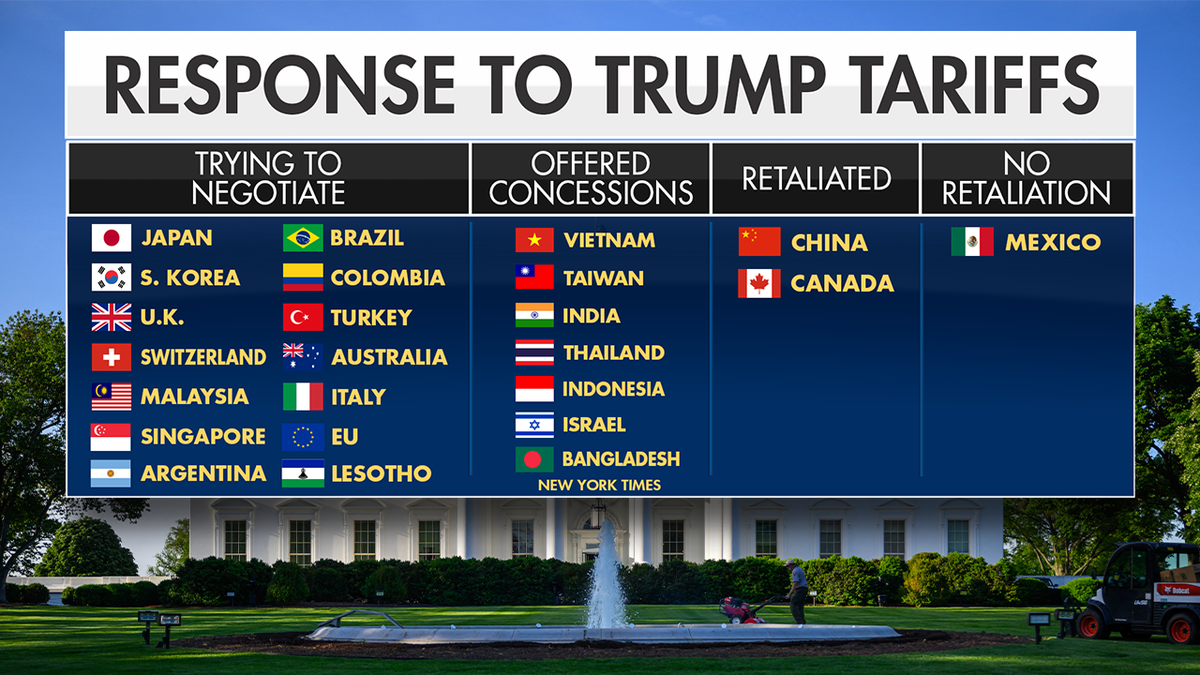
The timing of this ultimatum coincided with a period of heightened global uncertainty. With supply chains still recovering from previous disruptions and geopolitical tensions flaring in Eastern Europe, the U.S. positioned itself as the indispensable energy supplier. The message to European leaders was clear: reliance on American resources was no longer a gift; it was a transaction. If Europe wanted affordable energy, they had to pay for it with purchases that would directly offset their trade deficits.
This approach fundamentally altered the diplomatic tone of the White House-EU Commission dialogue. Previous administrations might have framed increased energy imports as a strategic partnership for mutual security. Trump reframed it as a debt repayment plan. The threat of tariffs acted as a stick, while the promise of zero duties on certain American exports served as a carrot, though the carrot proved insufficient without the threat of the stick.
European leaders initially attempted to negotiate terms that would allow them to maintain existing supply contracts without triggering punitive measures. However, the administration remained inflexible. The definition of the "deficit" was broadened to include not just goods but also services and intellectual property, making the target number even harder to hit. By mid-2025, it became apparent that voluntary compliance was unlikely to satisfy the administration's demands, setting the stage for the aggressive measures seen in early 2026.
The $750 Billion Target: Ambition vs. Reality
The centerpiece of Trump's energy demand is a staggering figure: $750 billion. In July 2025, during a historic meeting in Scotland with European Commission President Ursula von der Leyen, preliminary terms were announced that appeared to resolve immediate tensions. According to reports from major news outlets, Europe agreed to purchase $750 billion in American energy products and invest $600 billion directly into the U.S. economy beyond current levels. Additionally, the bloc pledged to purchase additional U.S. military equipment.
However, as we move into 2026, the feasibility of this pledge has come under intense scrutiny from economists and energy analysts. The sheer magnitude of the request raises red flags regarding market logistics and physical constraints. Laura Page, a senior analyst at Kpler commodities firm, described the headline figure as "completely unrealistic." She pointed out that the numbers are "beyond wild" when viewed against the backdrop of actual global production and consumption data.
To put this target into perspective, the EU spent approximately €375 billion on total energy imports last year, with only about €76 billion coming from the United States. Achieving the $750 billion goal would require Europe to essentially triple its American imports within a three-year window. This would mean shunning other reliable suppliers, such as Norway, which provides cheaper gas via existing pipeline infrastructure, and potentially disrupting long-standing contracts with Qatar and other LNG exporters.
Furthermore, the supply side presents a formidable challenge. In 2025, the United States exported roughly $166 billion worth of oil and gas globally. For the EU to absorb $750 billion, the U.S. would need to divert almost all of its exports to Europe—and then some. Experts argue that this is logistically impossible given the finite capacity of U.S. liquefied natural gas (LNG) terminals and the competing demand from Asia, particularly India and China, which are aggressively expanding their own energy portfolios.
The agreement also included a clause for $600 billion in new investments by European companies in the U.S. While this sounds attractive on paper, converting these promises into tangible capital flows requires time, regulatory approval, and political will on both sides. Critics argue that the investment component is vague and lacks the binding force of the energy purchase mandate. Without specific timelines and enforcement mechanisms, the $600 billion figure risks becoming another empty promise in the annals of trade negotiations.
Despite the skepticism, European officials like Trade Chief Maroš Šefčovič publicly stated, "We believe these numbers are achievable." This optimism often clashes with the grim reality of commodity markets. The energy sector operates on tight margins and rigid infrastructure. Building new LNG export facilities in the U.S. takes years, not months. Similarly, rerouting global shipping lanes to favor American vessels over European ones introduces significant cost inefficiencies that could ultimately be passed on to consumers.
As 2026 progresses, the gap between the political ambition of the $750 billion target and the physical realities of energy production continues to widen. The question remains whether Europe can realistically meet this demand without destabilizing its own energy security or inflating prices to unsustainable levels. The answer may determine the success or failure of this controversial trade strategy.
The Mechanics of Retaliatory Tariffs
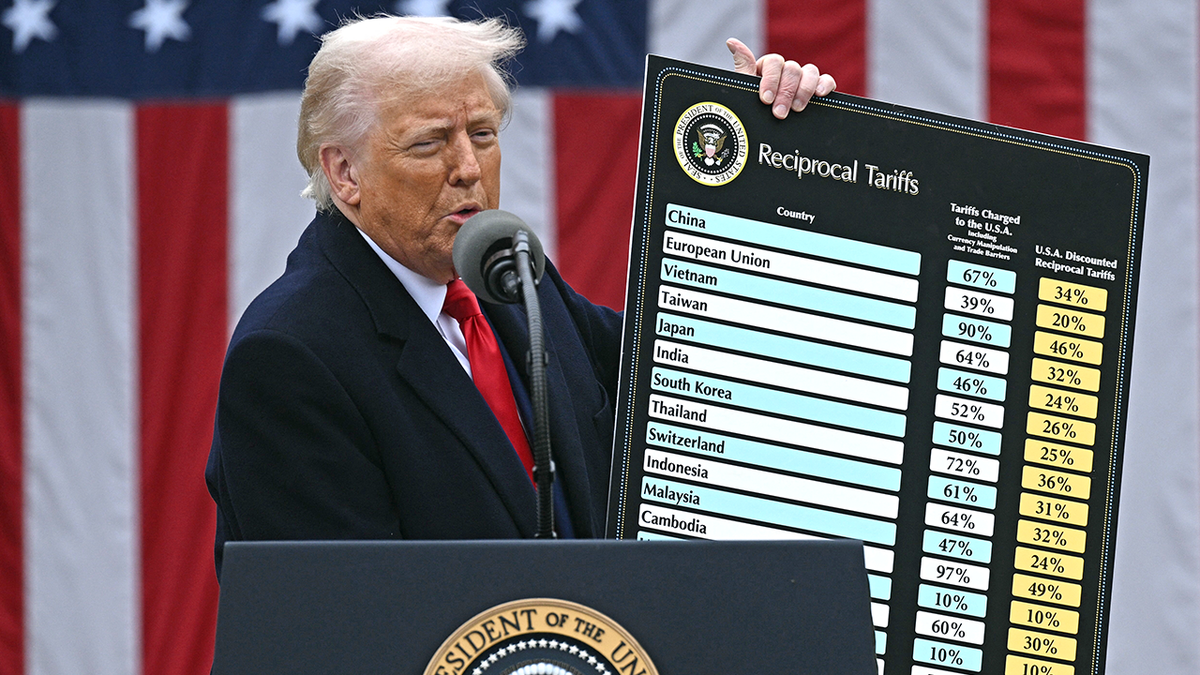
If Europe fails to meet the aggressive purchasing targets outlined by the Trump administration, the consequence is not a gentle warning but a severe economic penalty: reciprocal tariffs. The administration has made it clear that these tariffs will be applied broadly to European goods entering the United States. The logic behind this strategy is rooted in the principle of reciprocity—if Europe taxes American goods, America will tax European goods to an equivalent degree.
The potential scope of these tariffs is alarming. While the initial focus is on energy purchases, the threat looms over nearly every sector of the European economy. Industries such as automotive manufacturing, luxury goods, agriculture, and chemicals are particularly vulnerable. For instance, German carmakers exporting vehicles to the U.S. could face duties that render their products uncompetitive against domestic American manufacturers or those from non-EU countries with lower tariff barriers.
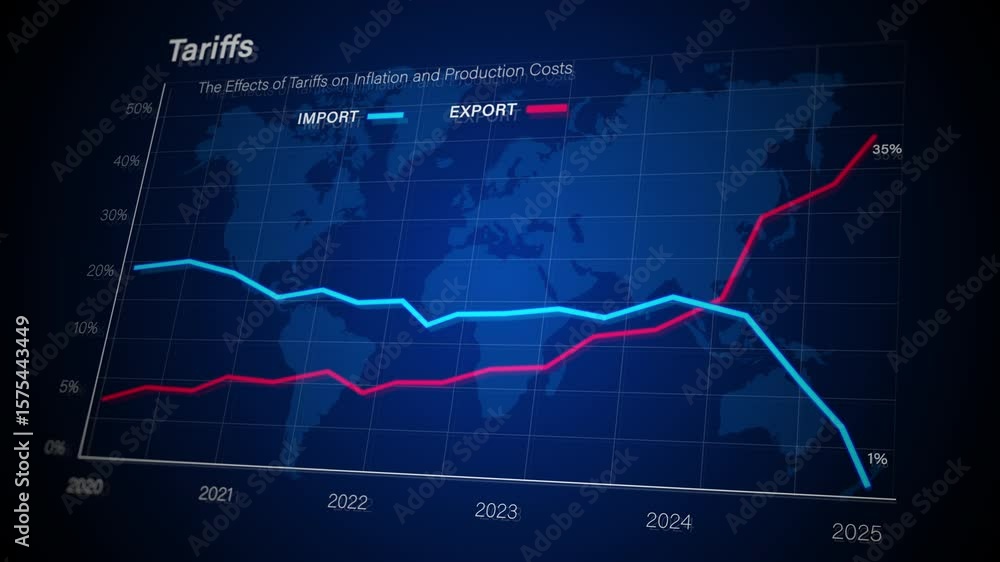
The mechanism for implementing these tariffs has been streamlined under the executive authority granted to the president. Unlike traditional trade agreements that require lengthy congressional approval, unilateral tariff impositions can be enacted relatively quickly. This speed adds a layer of urgency to European decision-making. Companies in Brussels, Frankfurt, and Milan are now forced to hedge against potential price hikes by diversifying supply chains or relocating production facilities to avoid U.S. borders altogether.
Consumer prices in the United States are expected to rise as a result of these retaliatory measures. While the administration argues that tariffs will encourage domestic production and reduce the trade deficit, critics warn of the opposite effect. Higher costs for imported European goods could lead to inflationary pressures within the U.S. economy, impacting everything from clothing to electronics. Furthermore, American consumers who rely on European luxury brands or specialized industrial components may face shortages or significantly higher prices.
The European Union has historically responded to U.S. tariffs with its own set of counter-measures, often targeting politically sensitive American states or industries. This tit-for-tat dynamic risks escalating into a prolonged trade war that could damage the global economy. In 2026, the stakes are higher than ever because both economies are deeply intertwined. A disruption in trade flows could ripple through financial markets, causing volatility in stock exchanges from New York to London.
One of the most concerning aspects of the tariff threat is its unpredictability. The administration has hinted at the possibility of tiered tariffs based on the volume of energy purchases. Countries that fall short of the $750 billion target could face steeper penalties than those that exceed it slightly. This creates a high-pressure environment where European leaders feel compelled to sign whatever deals are presented to them, regardless of long-term strategic implications.
Moreover, the legal challenges surrounding these tariffs are complex. International trade laws, including those governed by the World Trade Organization (WTO), generally prohibit discriminatory practices. However, the U.S. has increasingly relied on national security arguments to justify protectionist measures. If Europe attempts to challenge these tariffs in international courts, the process could take years, leaving businesses to suffer losses in the interim. The uncertainty itself becomes a tool of leverage, forcing European firms to comply preemptively.
Impact on Global Energy Markets and Supply Chains
The imposition of strict purchasing mandates and the threat of tariffs have sent shockwaves through global energy markets. In 2026, the flow of oil and gas has become increasingly politicized, with trade routes shifting to align with political alliances rather than pure market efficiency. The United States, now the world's largest producer of oil and a top supplier of liquefied natural gas (LNG), finds itself at the center of this geostrategic realignment.
European demand for U.S. energy has surged, driven by the necessity to replace Russian supplies following the invasion of Ukraine. However, the additional pressure from Trump's ultimatum has accelerated this trend, leading to a surge in LNG shipments from the Gulf Coast to European ports. Ports in Rotterdam, Antwerp, and Zeebrugge have reported record arrival rates of American tankers. While this bolsters European energy security, it has also tightened global supply margins, contributing to upward pressure on spot prices.
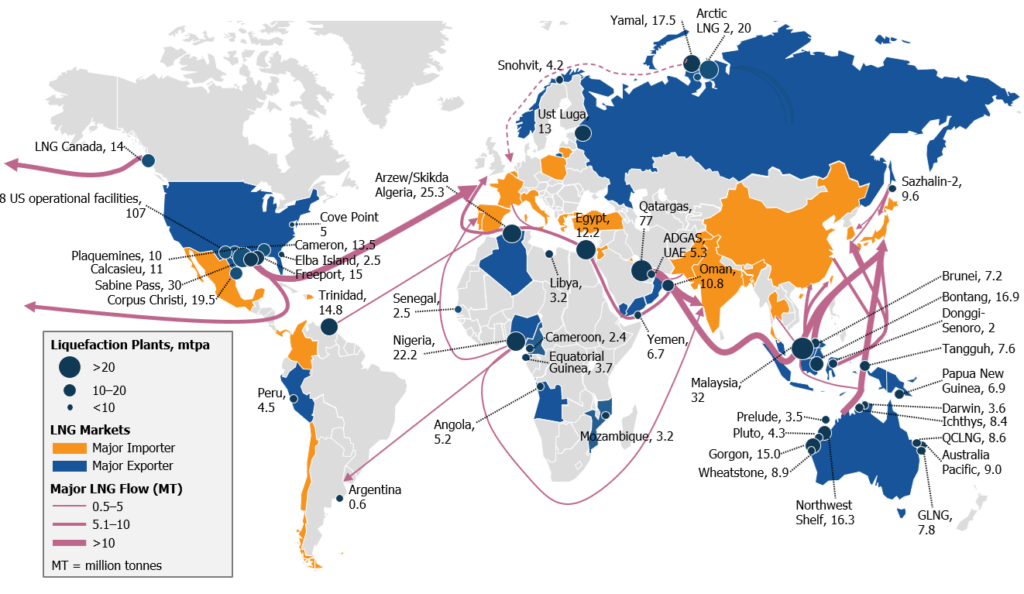
The shift has not been without friction. Traditional suppliers like Norway and Qatar have expressed concern over being sidelined in favor of U.S. products due to political mandates rather than competitive pricing. Norway, known for its efficient pipeline exports to Europe, faces the risk of reduced contract renewals if European buyers prioritize American LNG to avoid future tariff risks. This could lead to a fragmentation of the European energy market, where prices vary significantly depending on the source of supply.
For the United States, the increased demand offers a boon to its energy sector. Drillers in Texas, Louisiana, and Pennsylvania are operating at near-full capacity, and new infrastructure projects are moving forward at an accelerated pace. However, this boom comes with environmental concerns. Expanding LNG export capacity often involves contentious debates over methane emissions and local environmental impacts. A recent government study commissioned prior to the 2026 policies highlighted that increasing U.S. LNG exports could lead to a 30% increase in domestic gas prices, posing a dilemma for the administration balancing economic gains against consumer costs.
Global supply chains are also adapting to this new reality. Shipping companies are rerouting vessels to ensure priority access to U.S. cargoes, leading to longer transit times and higher freight costs. This inefficiency is eventually passed down to end-users, affecting the cost of goods worldwide. Manufacturers in Asia and South America, who previously sourced energy indirectly through European intermediaries, are now facing higher input costs as the U.S. captures a larger share of the global energy market.
The volatility in energy markets extends beyond physical supplies to financial instruments. Futures contracts for oil and gas have become more speculative, with traders reacting to every tweet from the White House or statement from the EU Commission. This speculation can lead to sharp price swings that destabilize budgets for energy-dependent nations. Developing countries, already struggling with high energy costs, find themselves caught in the crossfire of U.S.-EU trade tensions, potentially leading to energy crises in regions far removed from Washington and Brussels.
Economic Consequences for the European Union
The economic ramifications for the European Union under this new regime are profound and multifaceted. While the primary goal of the Trump administration is to reduce the trade deficit, the burden of achieving this falls heavily on European economies. The requirement to triple energy imports from the U.S. threatens to strain national budgets and disrupt industrial competitiveness.
One of the most immediate impacts is the potential rise in energy costs for European industries. Although U.S. LNG has been marketed as a cheaper alternative to Russian gas, the sheer volume required to meet the $750 billion target could drive up global prices. European manufacturers, already grappling with high energy bills, face the prospect of even greater operational costs. This could lead to deindustrialization, where companies relocate production to regions with more favorable energy pricing, such as the Middle East or North America.
The agricultural sector in Europe is also at risk. If the U.S. imposes tariffs on European food products in retaliation for perceived trade imbalances, European farmers could lose significant market share in the lucrative American market. This would not only hurt rural economies but also threaten food security within the EU. Cities dependent on agricultural exports, such as those in the Netherlands and France, could see job losses and economic contraction.
Furthermore, the investment component of the deal—promising $600 billion in European investment in the U.S.—raises questions about capital flight. If European corporations feel compelled to move assets abroad to secure access to the U.S. market or to avoid tariffs, this could drain liquidity from European banks and slow down domestic infrastructure projects. The brain drain associated with corporate relocation could further weaken the EU's innovation capacity, particularly in technology and green energy sectors.
The psychological impact on European markets cannot be overstated. The constant threat of tariffs creates an atmosphere of uncertainty that discourages long-term planning and investment. Stock indices across Europe, including the STOXX 600, have shown sensitivity to trade rhetoric, with declines often following statements from Washington. This volatility makes it difficult for policymakers to implement coherent economic strategies, as they must constantly react to external pressures rather than focusing on internal reforms.
Ultimately, the EU faces a difficult choice: comply with the U.S. demands and risk economic strangulation, or resist and face immediate punitive tariffs. There is no middle ground in this scenario. The narrow avoidance of a full-blown trade war in late 2025 gave way to a tense standoff in 2026, where the EU must navigate a minefield of economic dependencies and political pressures. The outcome of this struggle will define the economic resilience of the European Union for decades to come.
Strategic Implications for Transatlantic Relations
The conflict over energy purchases strikes at the very heart of transatlantic relations. For decades, the alliance between the United States and Europe has been built on shared values, security cooperation, and open markets. The aggressive stance taken by the Trump administration in 2026 challenges the foundational principles of this partnership, transforming it from a strategic alliance into a transactional relationship based solely on economic leverage.
The erosion of trust is evident in the diplomatic exchanges between Washington and Brussels. Where once there was collaboration on climate change and defense spending, there is now suspicion and recrimination. European leaders view the energy ultimatum as a betrayal of the special relationship, arguing that the U.S. is exploiting its position as an energy superpower to gain unfair advantage. This perception fuels nationalist sentiments within Europe, potentially strengthening pro-independence movements in regions like Catalonia or Scotland, who may seek closer ties with non-U.S. powers to escape American pressure.
From a security perspective, the divide is equally concerning. NATO relies on a strong transatlantic bond to counter threats from Russia and China. If economic disputes continue to fester, it could weaken the unity of the alliance, making it harder to present a united front against common adversaries. European nations might hesitate to support U.S. military initiatives if they feel economically coerced, leading to a fragmentation of defense capabilities.
The global order is also shifting as a result of these tensions. Other major powers, observing the fracture in the West, may see an opportunity to expand their influence. China, for instance, could position itself as an alternative energy partner for Europe, offering deals that do not come with political strings attached. This realignment could diminish U.S. geopolitical standing and accelerate the multipolar world order that many strategists have predicted.
In conclusion, the mandate for Europe to buy more U.S. oil and gas is more than just an economic policy; it is a test of the enduring strength of the Western alliance. As 2026 unfolds, the world watches to see whether diplomacy can bridge the gap or if the rift will deepen into an irreparable split. The decisions made in boardrooms from New York to Berlin will echo through history, shaping the future of global politics and economics.
Frequently Asked Questions (FAQ)
Q: What exactly does the "Trump orders Europe to buy more U.S. oil and gas or face tariffs" directive entail?
A: The directive is an ultimatum issued by the U.S. administration requiring the European Union to increase its purchases of American oil and natural gas to a specific monetary target (historically cited around $750 billion over a few years). Failure to meet this target results in the imposition of reciprocal tariffs on European goods entering the United States.
Q: Is the $750 billion target realistic for the EU to achieve?
A: Most energy experts consider the target unrealistic. Given that the EU currently spends only a fraction of that amount on U.S. energy and that global production limits exist, tripling imports in such a short timeframe would require disrupting other supply chains and ignoring market efficiencies.
Q: How will these tariffs affect everyday consumers in Europe and the U.S.?
A: Consumers in both regions will likely face higher prices. In the U.S., tariffs on European goods could raise costs for imported items. In Europe, the forced rush to buy expensive U.S. LNG could drive up energy bills for households and businesses, leading to broader inflation.
Q: Can the EU legally challenge these tariffs at the World Trade Organization?
A: Technically, yes, but the process is slow and uncertain. The U.S. often invokes national security exceptions to bypass WTO rulings, meaning legal challenges might not provide immediate relief for affected industries.
Q: What role does LNG play in this trade dispute?
A: Liquefied Natural Gas (LNG) is central to the dispute. The U.S. has become the world's leading LNG exporter, filling the gap left by Russia. The administration uses control over LNG export approvals and volume as a primary lever to force Europe into buying more American energy.
Conclusion
The year 2026 stands as a watershed moment in international trade, defined by the bold assertion that Europe must buy more U.S. oil and gas or face tariffs. This policy represents a dramatic departure from traditional diplomatic norms, prioritizing immediate economic metrics over long-term strategic alliances. While the intention behind the mandate is to correct trade imbalances and boost American energy dominance, the execution poses significant risks to global stability.
The path forward is fraught with uncertainty. The EU faces a precarious balancing act between complying with U.S. demands to avoid punitive measures and protecting its own economic sovereignty. Meanwhile, the global energy market grapples with the shifts in supply chains and the inflationary pressures that accompany such aggressive protectionism. As nations navigate this turbulent landscape, the lessons of 2026 will serve as a cautionary tale about the dangers of weaponizing energy resources in a interconnected world. The ultimate outcome will depend on the ability of leaders in Washington and Brussels to find a sustainable equilibrium before the cost of confrontation becomes too high to bear.
References
- CNBC — Trump pushes trade partners to buy more U.S. energy as a way to reduce trade surpluses, 2025
- New York Post — Trump strikes 'biggest deal ever made' with EU: Europeans will buy $750B in US energy, 2025
- Money Times — Trump Warns Europe: Buy More U.S. Oil and Gas or Face Tariffs, June 2026
- POLITICO — The EU's 'fantasy' $750B energy promise to Trump, July 2025
- Forbes — The U.S.-EU Energy Deal: A Strategic Win For Europe?, July 2025
- The Guardian — Donald Trump tells EU to buy more US oil and gas or face tariffs, December 2024
- Yahoo Finance — Trump to Europe: Buy more U.S. oil and gas or face 'TARIFFS all the way', December 2024
- Euronews — Can the EU really ramp up imports of US energy as Trump demands?, January 2026
- Reuters — EU further abandons its Green Deal with pledge to buy US energy, July 2025
- Financial Times — Trump's $750 Billion Deal for U.S. Energy Collides With Market Reality, August 2025